

 Products & Services



 400 676 5650
Time:2026-01-29
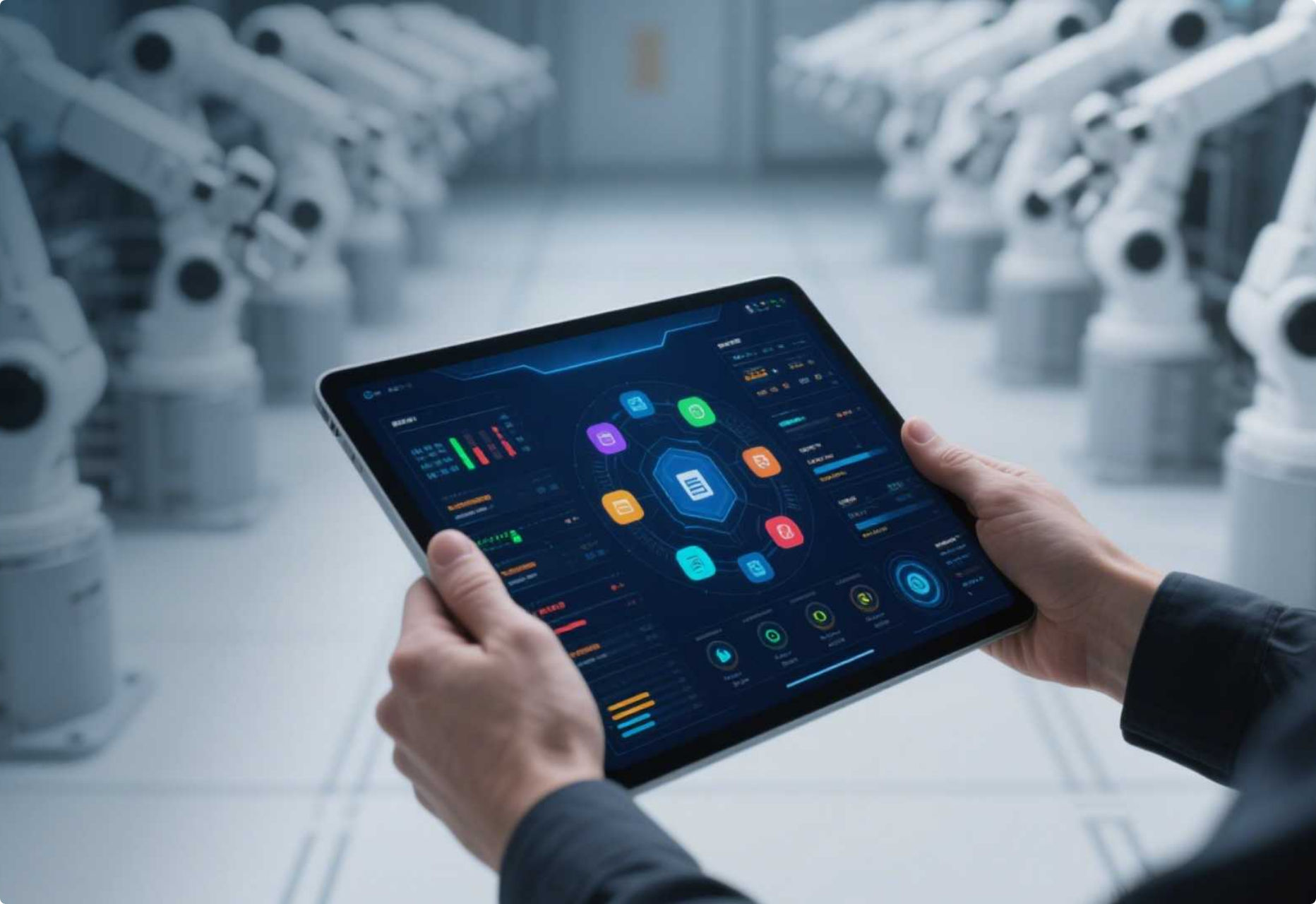
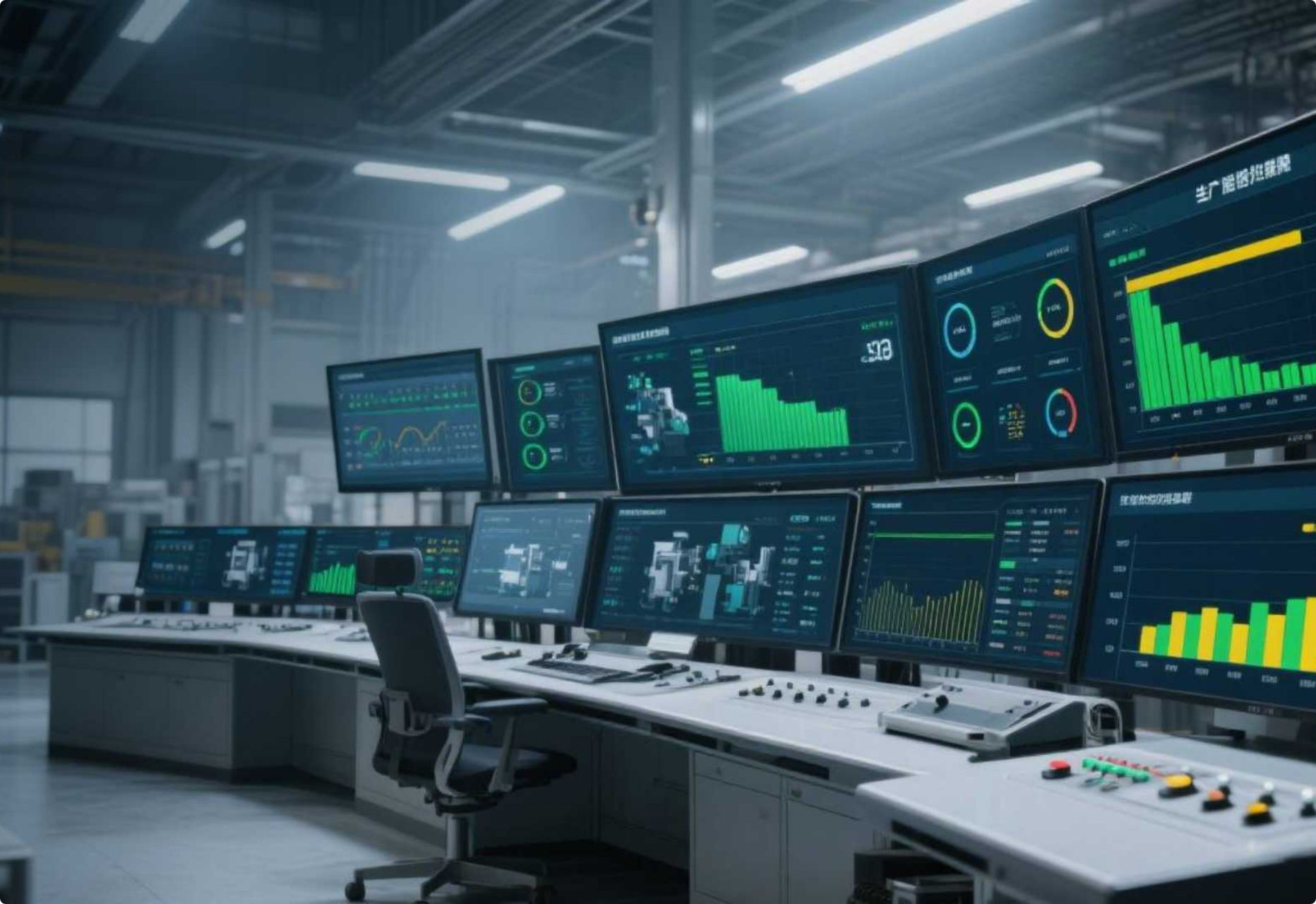
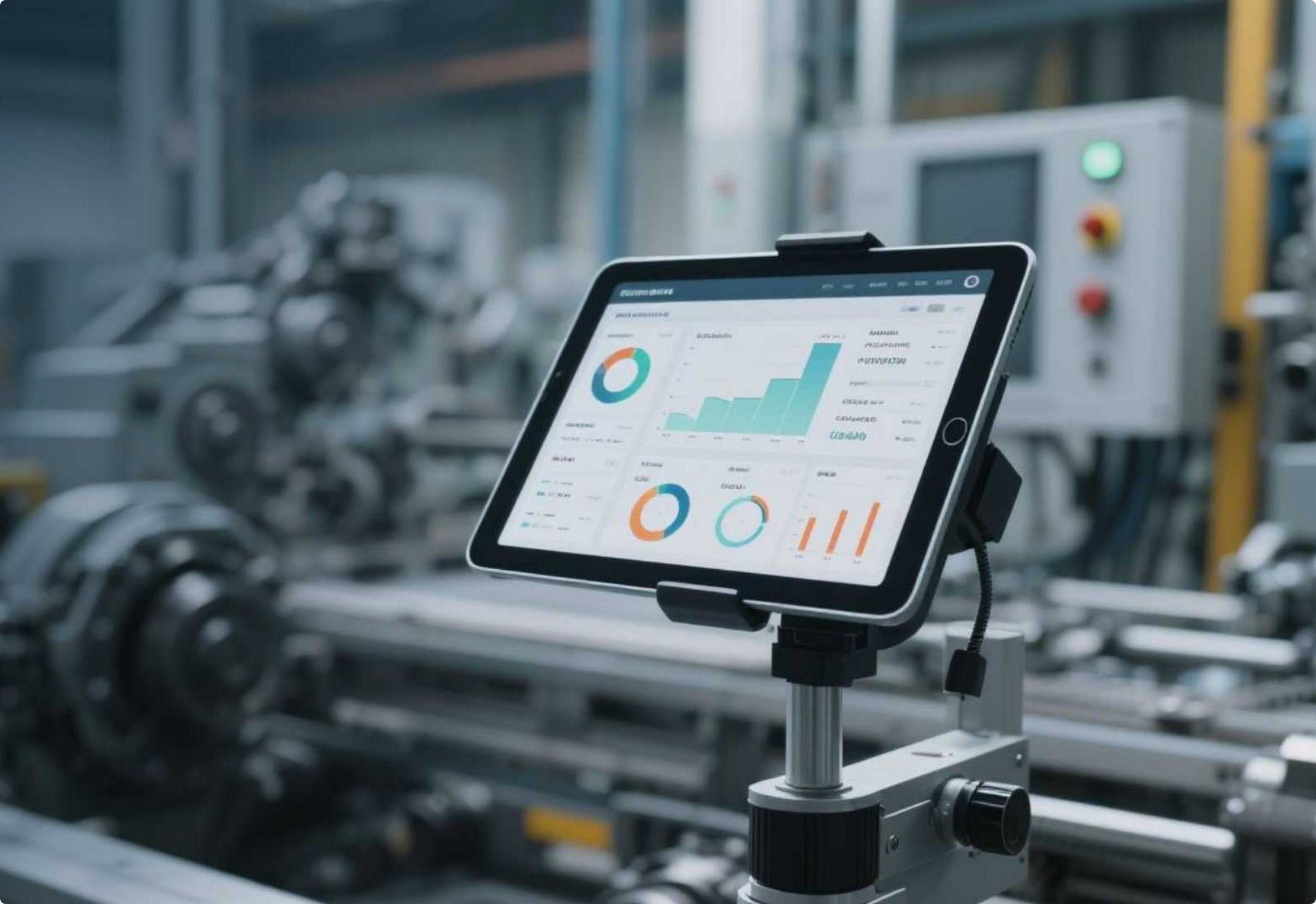
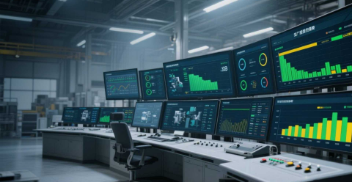
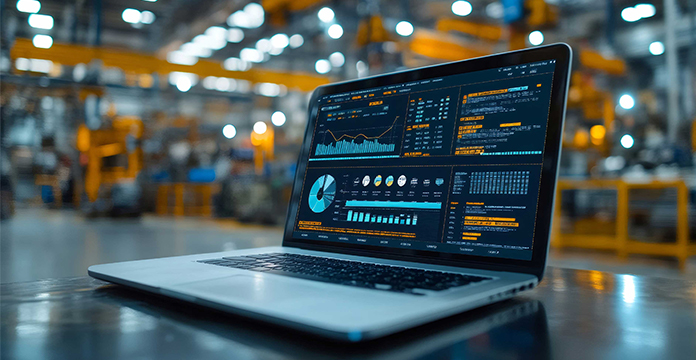
The integration of production planning and scheduling systems with AI predictions is not only feasible but has become a common practice for manufacturing enterprises to enhance management efficiency, significantly improving the accuracy and flexibility of plans. AI predictions consolidate diverse information such as historical order data, market supply-demand fluctuations, and capacity changes of upstream and downstream suppliers to precisely forecast future product demand and material arrival cycles, and even anticipate potential equipment failures. This provides the scheduling system with concrete data-driven insights, preventing plans from becoming disconnected from reality.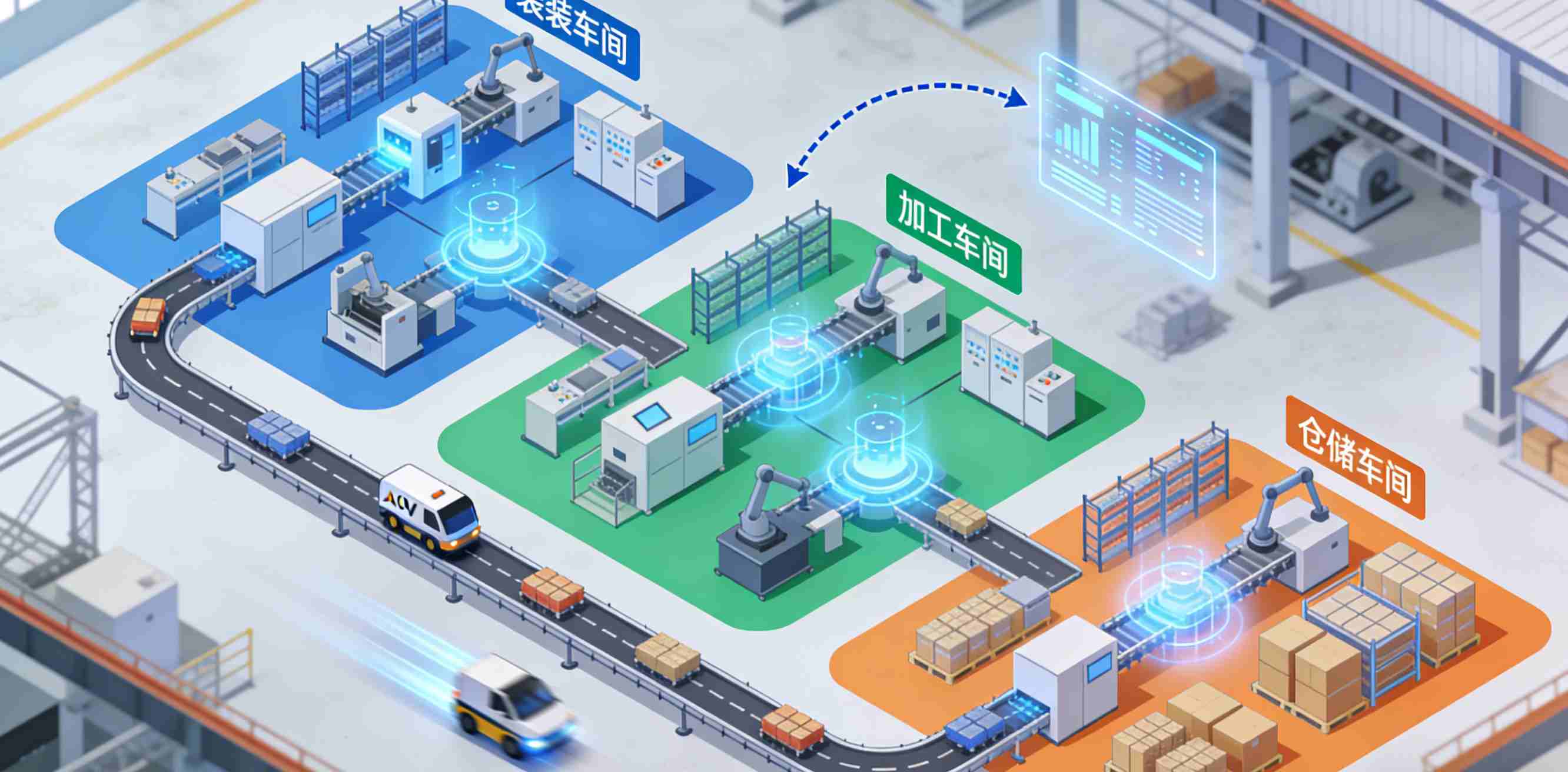
Traditional scheduling systems mostly rely on fixed parameters to formulate plans. When faced with sudden shifts in market demand or delayed arrival of critical materials, their adjustments often fail to keep pace, resulting in production gaps. However, with the integration of AI predictions into the production planning and scheduling system, the system can proactively manage risks. For instance, if AI anticipates a roughly two-week shortage of a core raw material, the system can preemptively adjust the production sequence, prioritizing orders that do not depend on that material to ensure production continuity.
AI predictions also dynamically calibrate scheduling parameters by capturing real-time data such as workshop progress and equipment status to refine forecasts, aligning the schedule with the actual production rhythm. This integration of production planning and scheduling systems is not a mere technological overlay but a real-time data linkage that makes production plans more forward-looking and adaptable to the complex, ever-changing workshop management landscape.