


 Products & Services







 400 676 5650
Time:2026-01-26
Supply Chain Planning and Scheduling System When a Supply Chain Planning and Scheduling System is first launched, issues with data, operations, and departmental coordination are common. These are typical growing pains; paying attention early can help you avoid unnecessary setbacks.Data is most prone to errors. The bill of materials, process steps, and equipment capacity information prepared in the early stages often do not match the actual conditions on the shop floor. For example, some material specifications may be omitted, or the production capacity limits for equipment may be set too high or too low. Based on such inaccurate data, the system's generated schedule becomes unusable on the shop floor. Moreover, changes in production are not updated in time—such as new orders not entered into the system, or changes in material arrival times not being synchronized. Consequently, the scheduling results become disconnected from the floor reality.
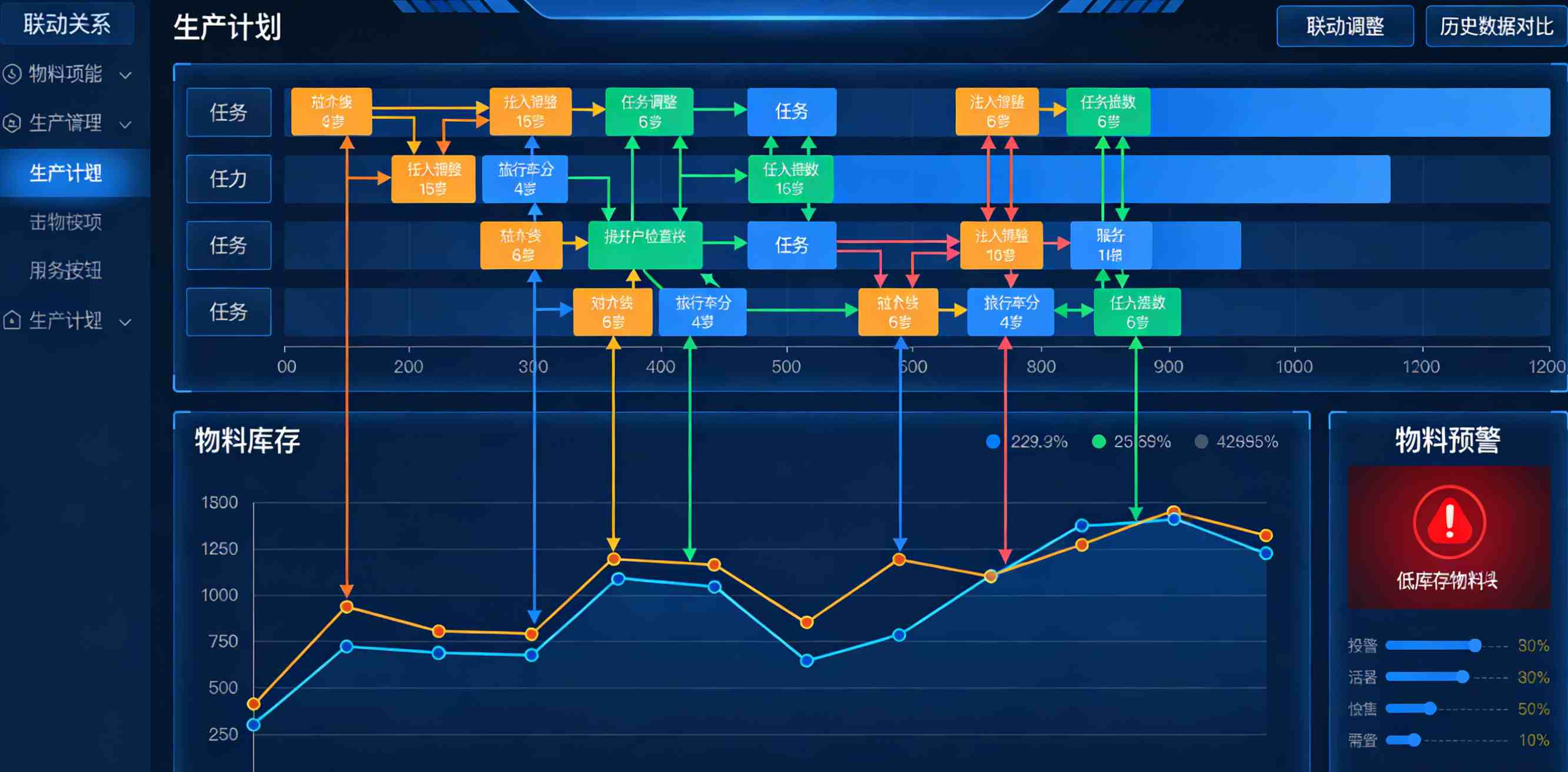
Operational issues are also common. Employees, being new to the Supply Chain Planning and Scheduling System, are unfamiliar with many functions. For example, they may not know how to adjust scheduling parameters or understand the resource occupancy interface, making it easy to make mistakes that actually slow down efficiency. Additionally, some planners stick to the old ways and continue to think in terms of manual scheduling, never utilizing the system's optimization algorithms, thus wasting the core functionality of the system.
Furthermore, sometimes the Supply Chain Planning and Scheduling System does not integrate well with existing ERP and MES systems in the plant—data may transfer slowly or incorrectly, which can also impact the overall usage effectiveness.