

 Products & Services







 400 676 5650
Time:2026-01-26
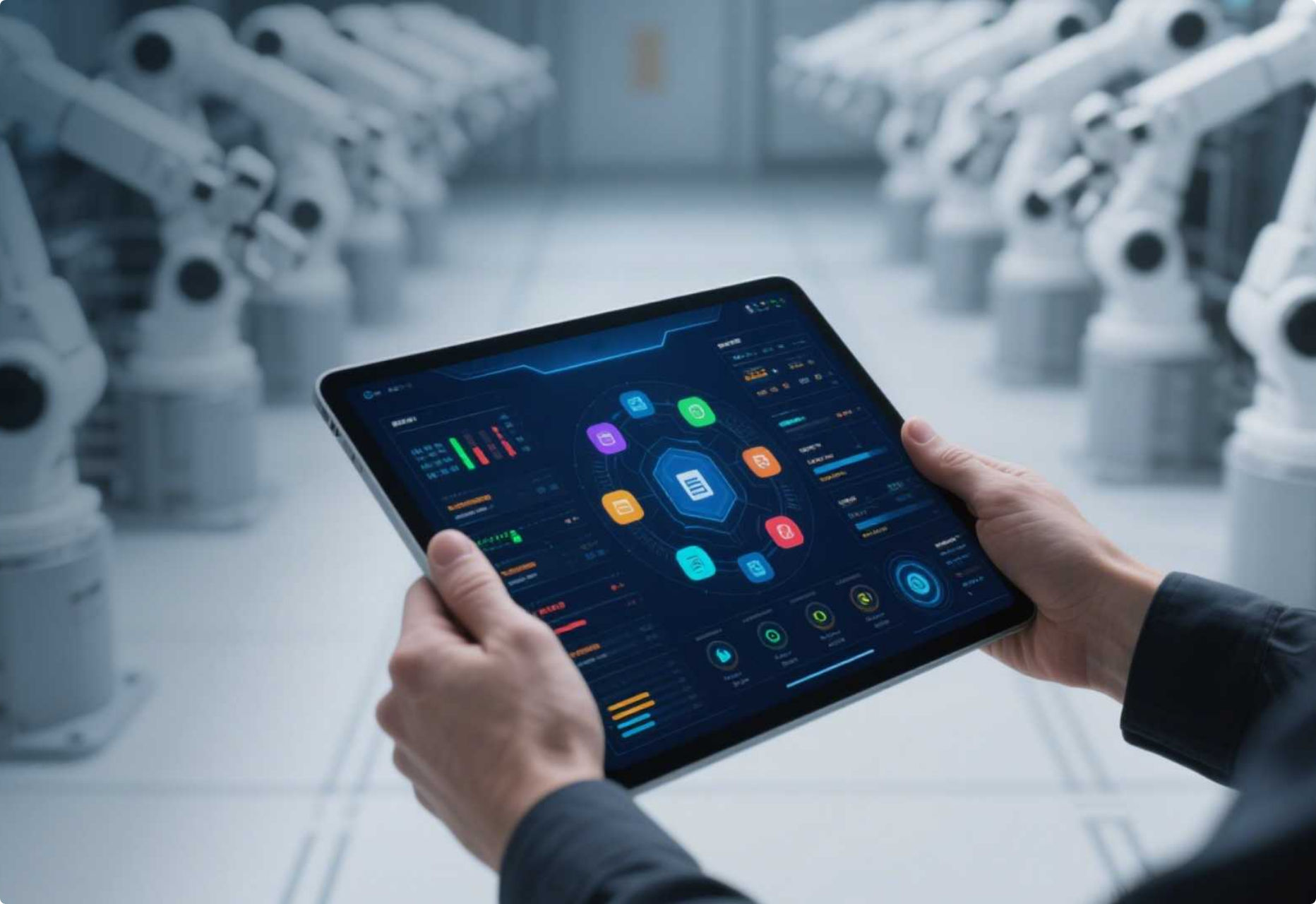
Traditional planning methods relying on experience and static rules can no longer support stable delivery and efficient operations. Frequent adjustments to production plans, constant resource conflicts, and disconnection between execution and planning have become common challenges for many manufacturing enterprises. The Supply Chain Planning and Scheduling System bridges planning, scheduling, and execution by unified modeling of demand, capacity, and resources, helping enterprises establish a more controllable and flexible supply chain operation system in complex environments.
1. Advanced Planning Capability
The Supply Chain Planning and Scheduling System first possesses advanced planning capabilities. During the production plan formulation stage, it incorporates market demand, order types, production capacity levels, and various resource constraints into the calculation framework. The system establishes corresponding planning models based on different product types and production conditions, breaking down overall production targets into specific time, process, and resource objectives, thereby forming a more detailed and realistic production plan. Unlike traditional static planning, such systems fully consider feasibility issues during the planning phase, avoiding disconnection between plans and execution, and enabling enterprises to maintain plan stability and reliability even when facing demand fluctuations.
2. Intelligent Scheduling and Dynamic Adjustment Capability
With intelligent scheduling and dynamic adjustment capabilities, the Supply Chain Planning and Scheduling System enables enterprises to calmly handle unexpected situations such as order insertions, delays, and equipment anomalies. The system tracks production progress and resource status in real time. Once key conditions change, it quickly recalculates scheduling schemes and evaluates the impact of adjustments. By simulating different scheduling strategies, the system helps enterprises make more reasonable trade-offs among delivery dates, efficiency, and costs, avoiding plan chaos caused by frequent manual intervention and ensuring the continuity of production operations.
3. Scheduling Optimization Capability
Through in-depth modeling and analysis of production processes, the Supply Chain Planning and Scheduling System accurately identifies bottleneck resources that affect delivery and potential delay points. When tasks need adjustment or anomalies occur, the system can rapidly simulate multiple scheduling schemes and provide optimization recommendations, such as adjusting job sequences, reallocating critical resources, or optimizing internal logistics paths. In this way, enterprises not only reduce waiting time and waste but also improve overall production efficiency and delivery stability, rather than merely addressing local issues.
4. Resource Integrated Management Capability
The Supply Chain Planning and Scheduling System does not optimize only around "process steps"; it uniformly manages key resources such as equipment, labor, and materials. The system rationally assigns equipment workloads based on equipment capabilities and maintenance schedules, improving equipment utilization and reducing the risk of anomalies. In terms of labor, tasks are assigned based on personnel skills and work efficiency, avoiding efficiency losses caused by improper resource allocation. In material management, by accurately matching demand plans with supply rhythms, the system reduces inventory overstock and production stoppages due to material shortages. This cross-resource collaborative management enables enterprises to enhance overall production efficiency while keeping costs under control.
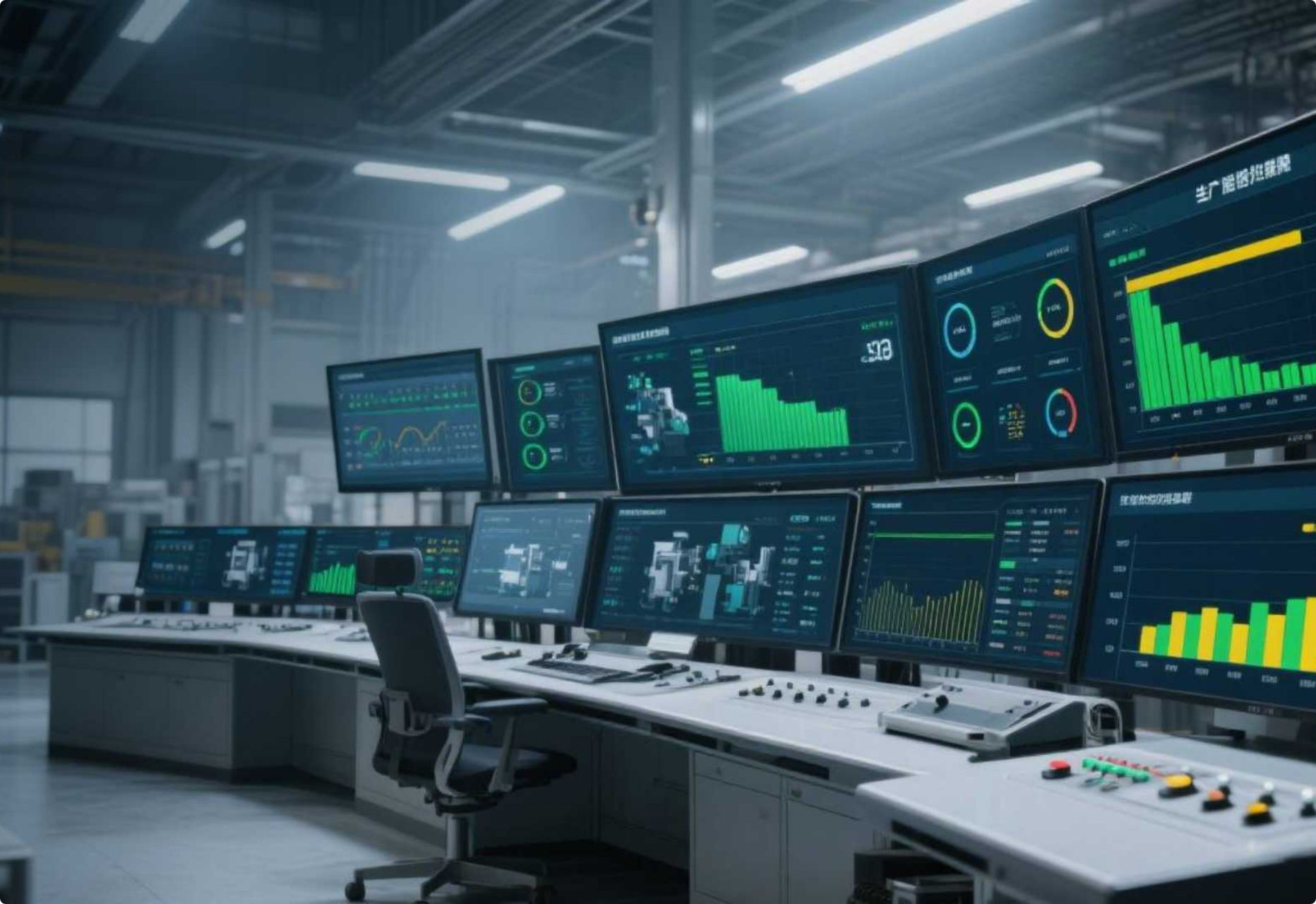
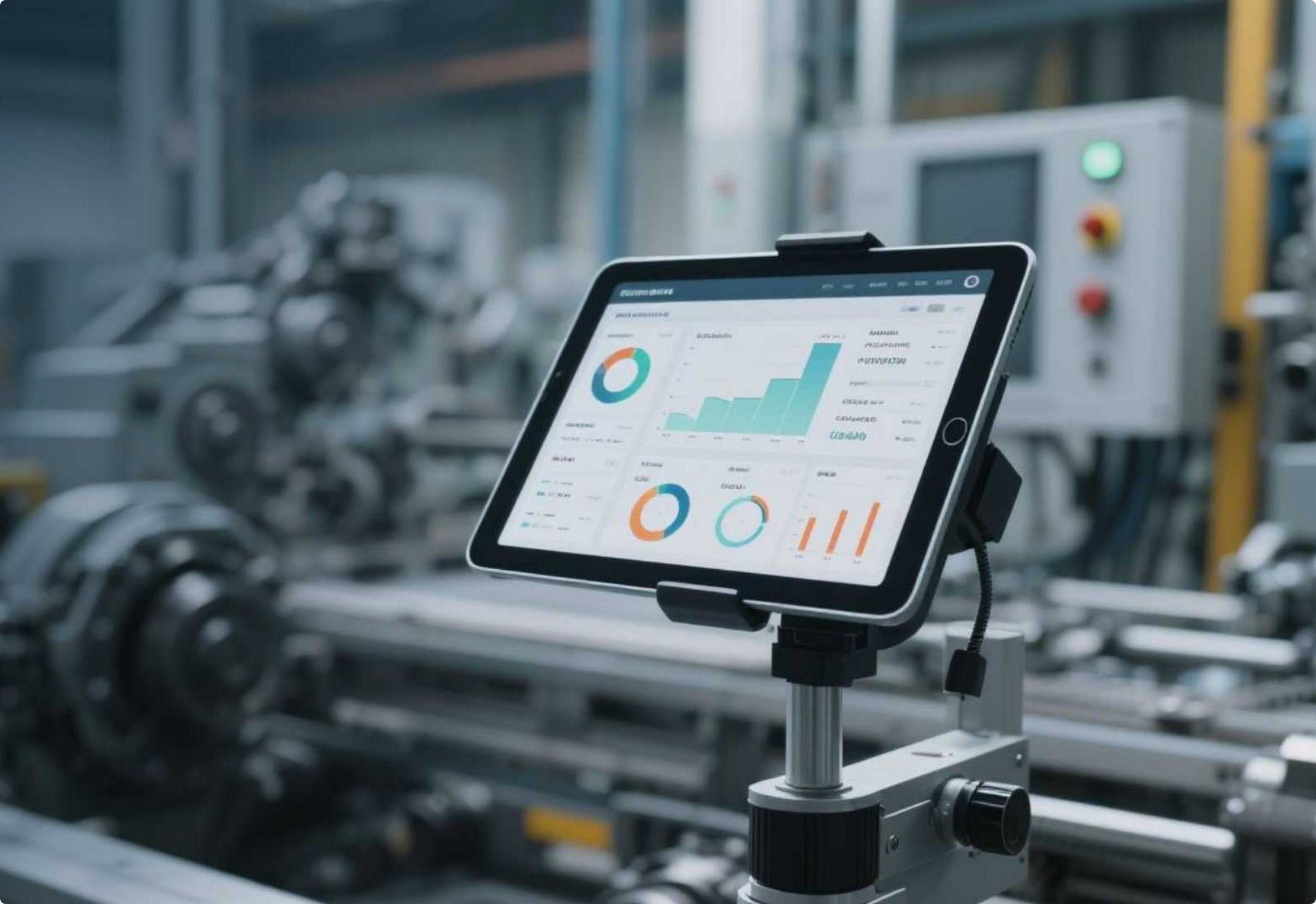
The Supply Chain Planning and Scheduling System's core value is not limited to a single functional module; it is reflected in its overall collaborative capability over planning, sequencing, task assignment, and resource management. It helps enterprises unify decisions scattered across various links into the same logic and data framework, making supply chain operations more transparent, controllable, and efficient.