

 Products & Services






 400 676 5650
Time:2026-01-28
Manufacturing enterprises today commonly face pressures from low-volume, high-variety orders, compressed lead times, and escalating costs. Traditional scheduling, reliant on Excel spreadsheets and experience-based judgment, often results in disjointed plans and delayed responses. As a critical link bridging management decisions and production execution, a Production Planning and Scheduling System leverages digital means to resolve these pain points, establishing a precise and efficient production control framework. Powered by data, this system orchestrates the dynamic balance of demand, resources, and capacity, shifting production planning from passive adjustments to proactive anticipation—making it a core enabler for digital transformation in manufacturing.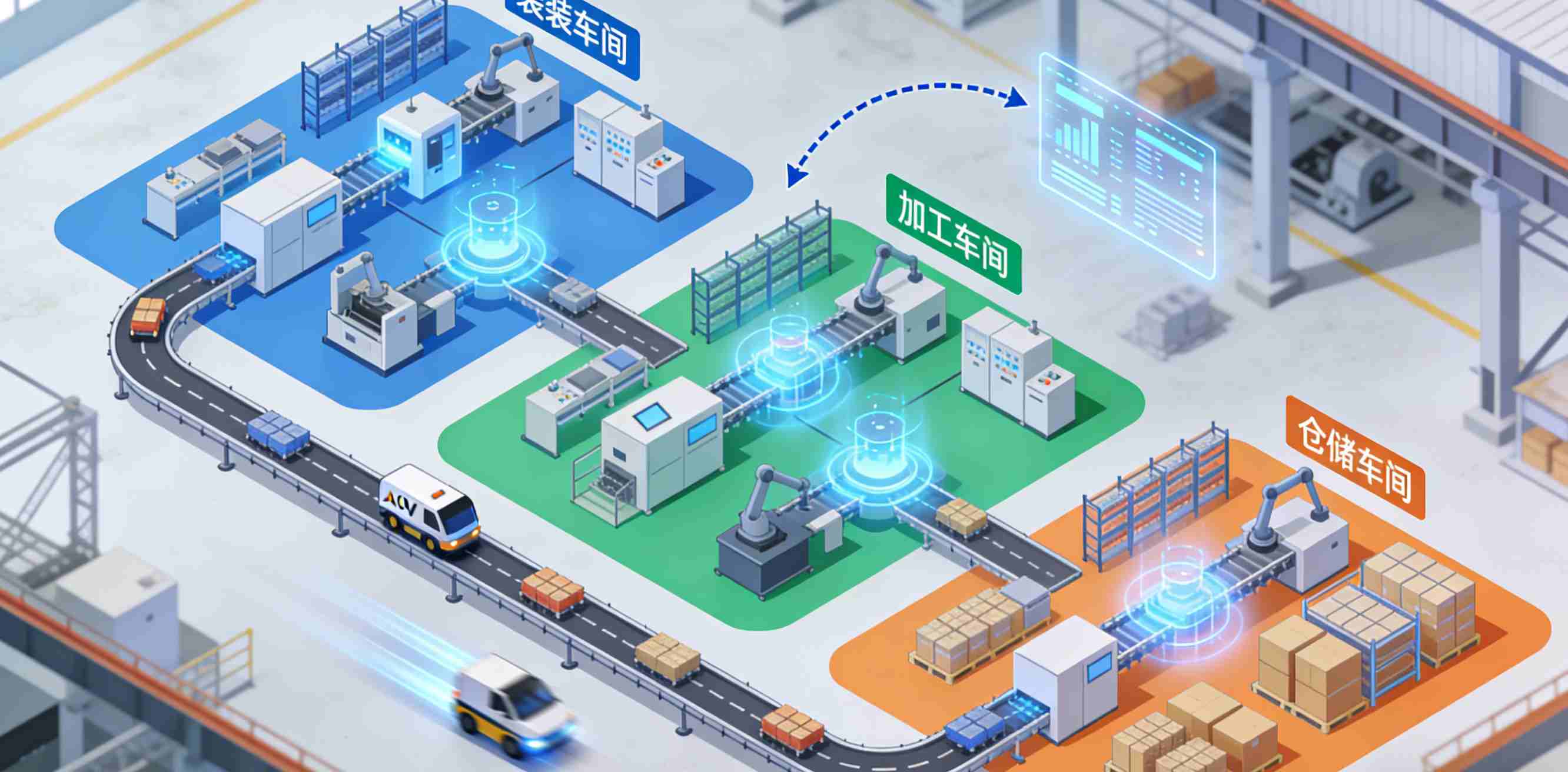
1. Enhancing Order Delivery Reliability and Rapidly Responding to Demand Changes
Faced with urgent order insertions or changes, traditional scheduling requires manual adjustment of the entire plan—time-consuming and error-prone, often leading to delivery delays. A production planning and scheduling system can automatically prioritize orders based on preset rules, reschedule the entire workflow with one click, evaluate the impact of insertions on existing plans, and quickly generate optimal adjustment scenarios. This effectively improves on-time delivery rates and reduces the risk of customer complaints. The system also anticipates demand fluctuations, reserving capacity buffers to prevent production disruptions caused by sudden shifts.
2. Optimizing Resource Allocation and Reducing Overall Production Costs
Through holistic scheduling, an APS (Advanced Planning and Scheduling) system dynamically optimizes equipment capacity and human resource allocation, automatically identifying and balancing bottleneck processes to avoid idle equipment or overload. Simultaneously, leveraging real-time BOM, inventory, and in-transit data, the system precisely calculates material requirements, integrating inventory and procurement processes to reduce material accumulation and the risk of production halts. This shortens inventory turnaround cycles and lowers overall production costs.
3. Ensuring Full Production Transparency to Support Data-Driven Decisions
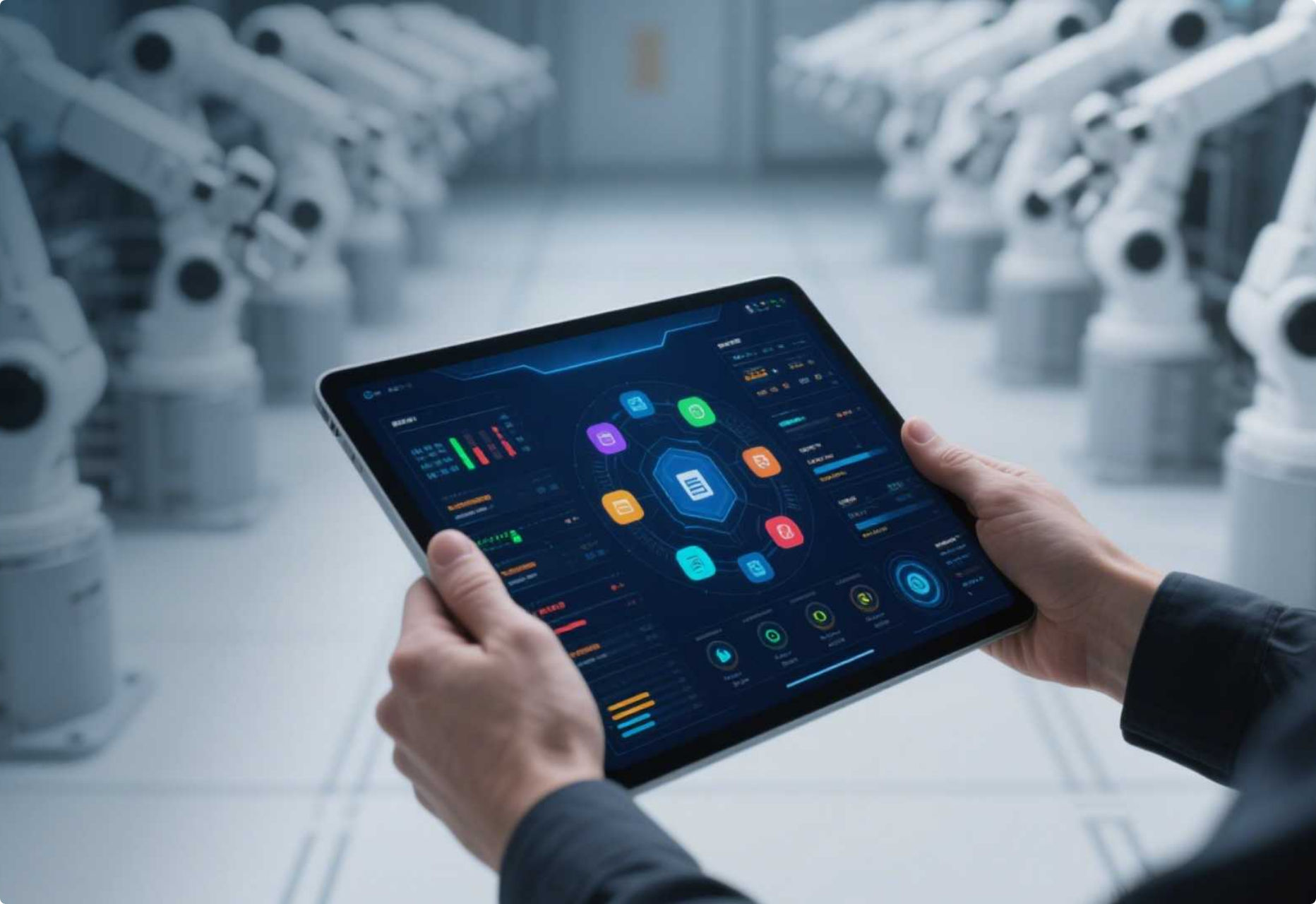
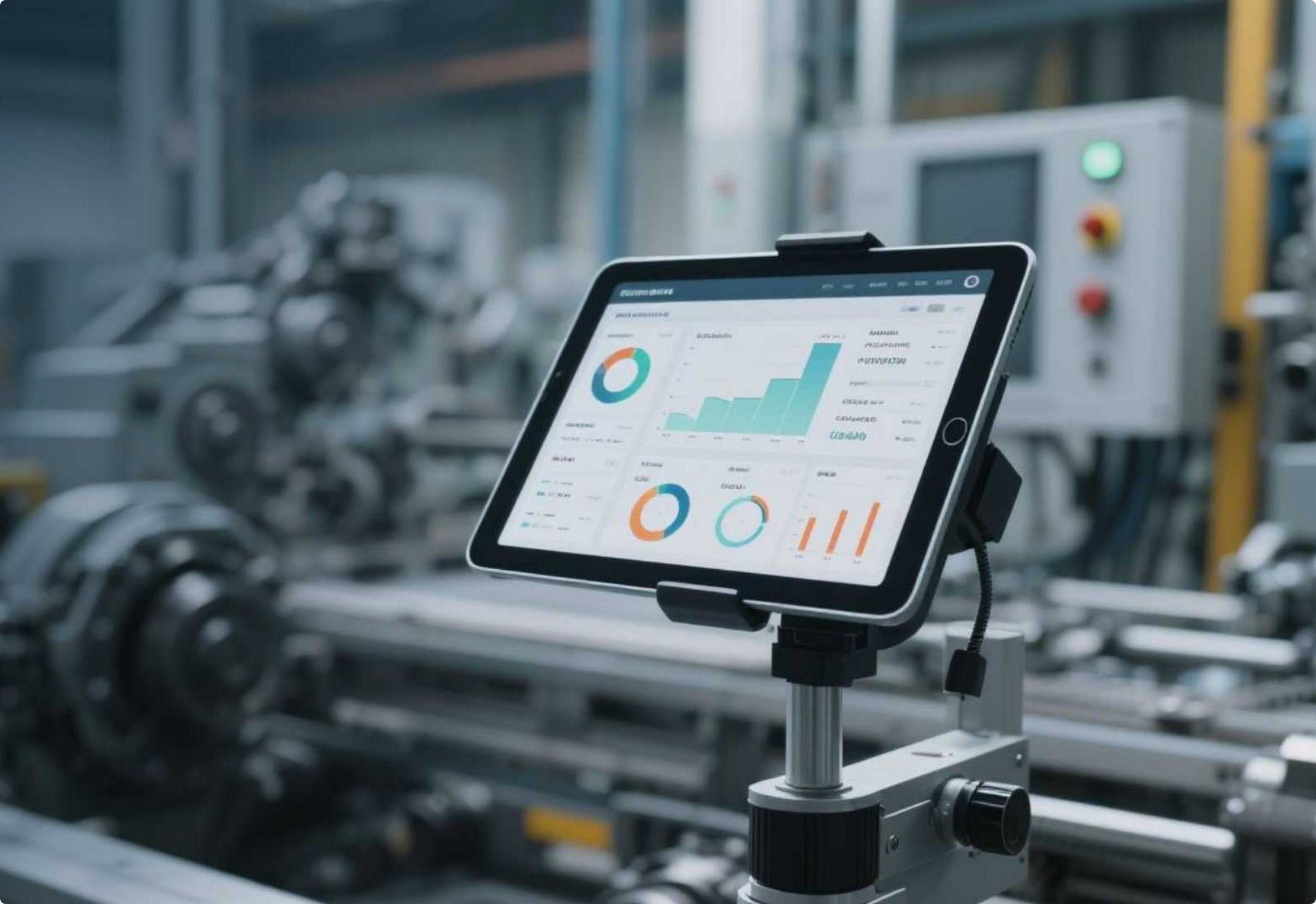
In traditional production management, relying solely on expeditors to manually track orders offline, management struggles to grasp real-time shop floor conditions, often depending on post-event reports. This system offers a visual interface that displays order progress, resource status, and exception information (such as equipment failures or process delays) in real time, enabling instant push notifications and closed-loop tracking of critical issues. This ensures full traceability and controllability throughout the production process. Additionally, the system automatically generates key data reports on production efficiency and delivery achievement rates, providing accurate data support for capacity planning and process optimization—shifting decision-making from experience-driven to data-driven.
Among the many scheduling tools available on the market that meet enterprise needs, the Hui Pai APS Supply Chain Resource Planning and Scheduling Platform stands out as a typical example. Utilizing proprietary algorithms and operations research models, it balances multiple production constraints, supports flexible switching between rough and detailed capacity scheduling, responds quickly to dynamic production changes, deeply integrates with upstream and downstream systems, and adapts to the production characteristics of various industries—delivering a lightweight, high-efficiency scheduling solution for enterprises.