

 Products & Services






 400 676 5650
Time:2026-03-23
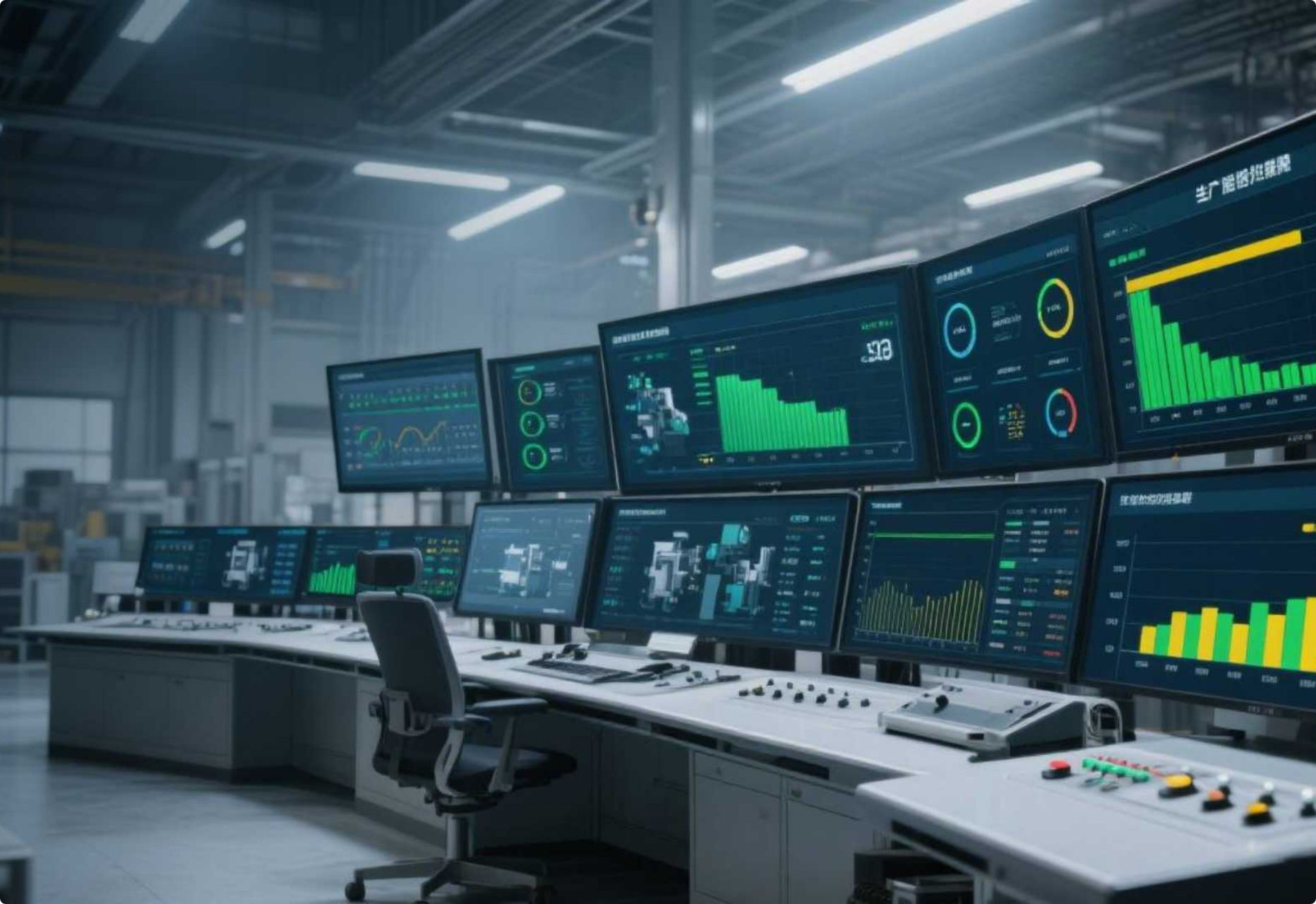
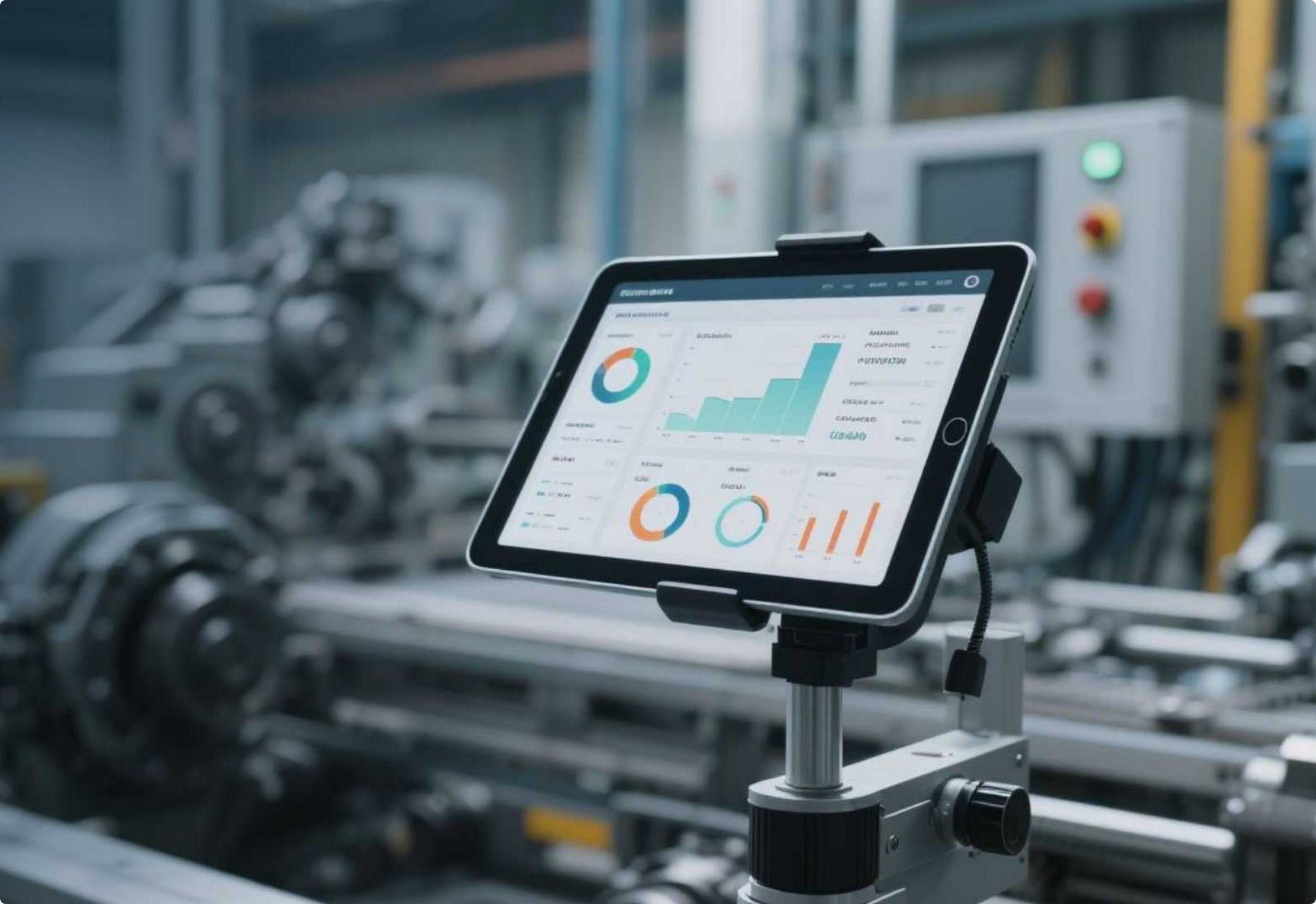
What is the actual value of a production planning and scheduling system for enterprises? Simply put, it consolidates scattered information—such as order priority, equipment workload, and shift scheduling—to uniformly orchestrate the pace of production. In traditional production planning, common issues include disconnected processes, idle equipment, and underutilized personnel. A production planning and scheduling system significantly reduces these problems through unified scheduling.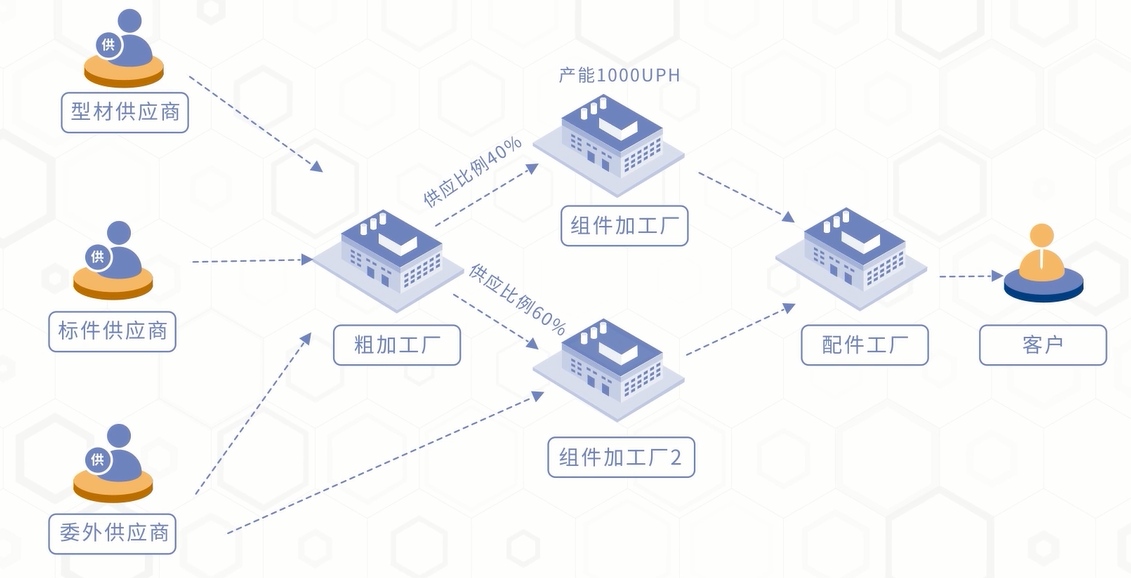
The accuracy of production cycle calculations directly impacts on-time delivery. A production planning and scheduling system can simulate the entire production timeline, exposing potential bottlenecks—such as material shortages or equipment failures—before they occur. Instead of troubleshooting after problems arise, it resolves issues in advance. As the on-time delivery rate improves, customers become more satisfied, and a strong reputation is gradually built.
Additionally, when a production process gets stuck at any point, the system immediately identifies the bottleneck. Rather than waiting for month-end reviews, resources can be reallocated on the spot—adding labor where needed, adjusting machines as required. By simultaneously controlling labor efficiency, material waste, and energy consumption, cost advantages are accumulated incrementally.
Market conditions change rapidly, and those in manufacturing know this all too well. Today, a customer orders an additional 2,000 units; tomorrow, an urgent order is suddenly canceled. Traditional manual production scheduling cannot keep pace with such volatility. However, a production planning and scheduling system can quickly update production plans based on the latest demand, maintaining order regardless of batch size or product variation. This gives companies the confidence to take on opportunities and fulfill orders.