

 Products & Services



 400 676 5650
Time:2026-03-24
Two years ago, when chips were hard to come by, there was an auto parts factory. One of its production lines was shut down for three days because materials didn't arrive on time. In the past, they would have just waited, but this time the production planning system made a big difference. When the materials failed to be stocked on time, the production planning and scheduling system immediately calculated and redistributed the orders originally scheduled for that line to other lines. When workers came to work the next day, they saw a new work order. This case shows that the so-called resilient production is essentially about whether the system can quickly come up with an alternative when unexpected situations occur.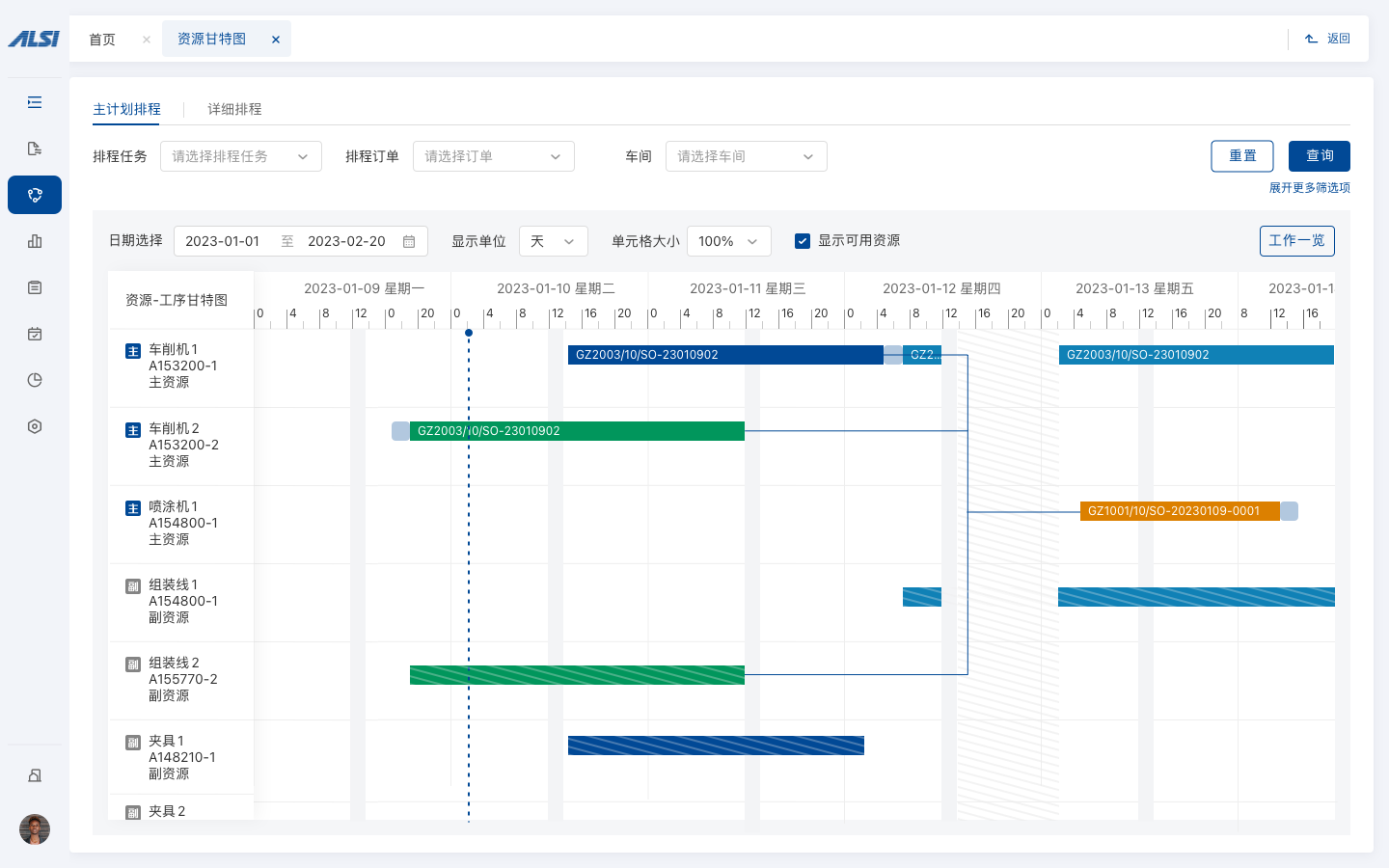
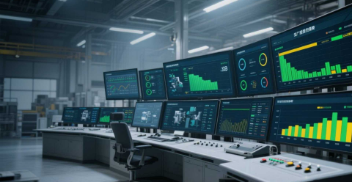
Conditions in the factory change constantly—machines suddenly break down, rush orders come in, materials don't arrive. These happen every day. The role of the production planning and scheduling system is not to create a perfect plan, but to quickly figure out which production lines can still take on work and which processes can be delayed when the situation on the ground changes. Those in charge of production planning no longer see a static table, but a working map that can be adjusted at any time.
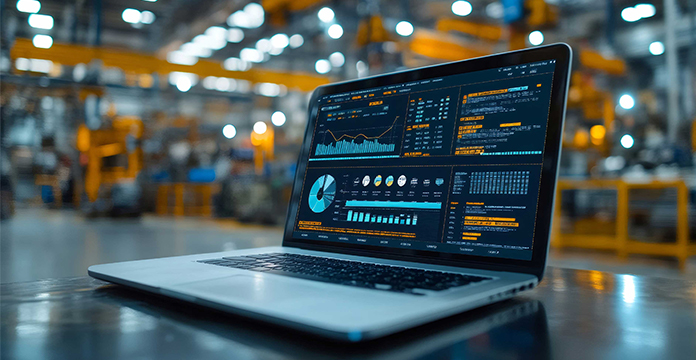
After a year of using the production planning and scheduling system, we can identify records of every past problem—such as which machine always breaks down at a certain time, or which supplier's materials frequently arrive late. This data can help the factory adjust the layout of production lines, optimize material preparation strategies, and even give advance warnings to the procurement department. Resilience is not just reacting to problems as they occur; it is about making the entire production system more robust through repeated data feedback.
In the end, the production planning and scheduling system is not a tool for maximizing efficiency, but a guarantee that the factory can maintain its rhythm amid uncertainty.