

 Products & Services






 400 676 5650
Time:2026-02-05
After the APS system goes live, it is essential to conduct specialized training for relevant employees. This is a critical step to ensure the system's effective implementation and tangible results.The APS system is not merely a replacement for manual operations; its functionality depends on employees mastering the operational logic and data entry standards. Otherwise, errors in data, operational mistakes, and other issues may arise, affecting the system's performance.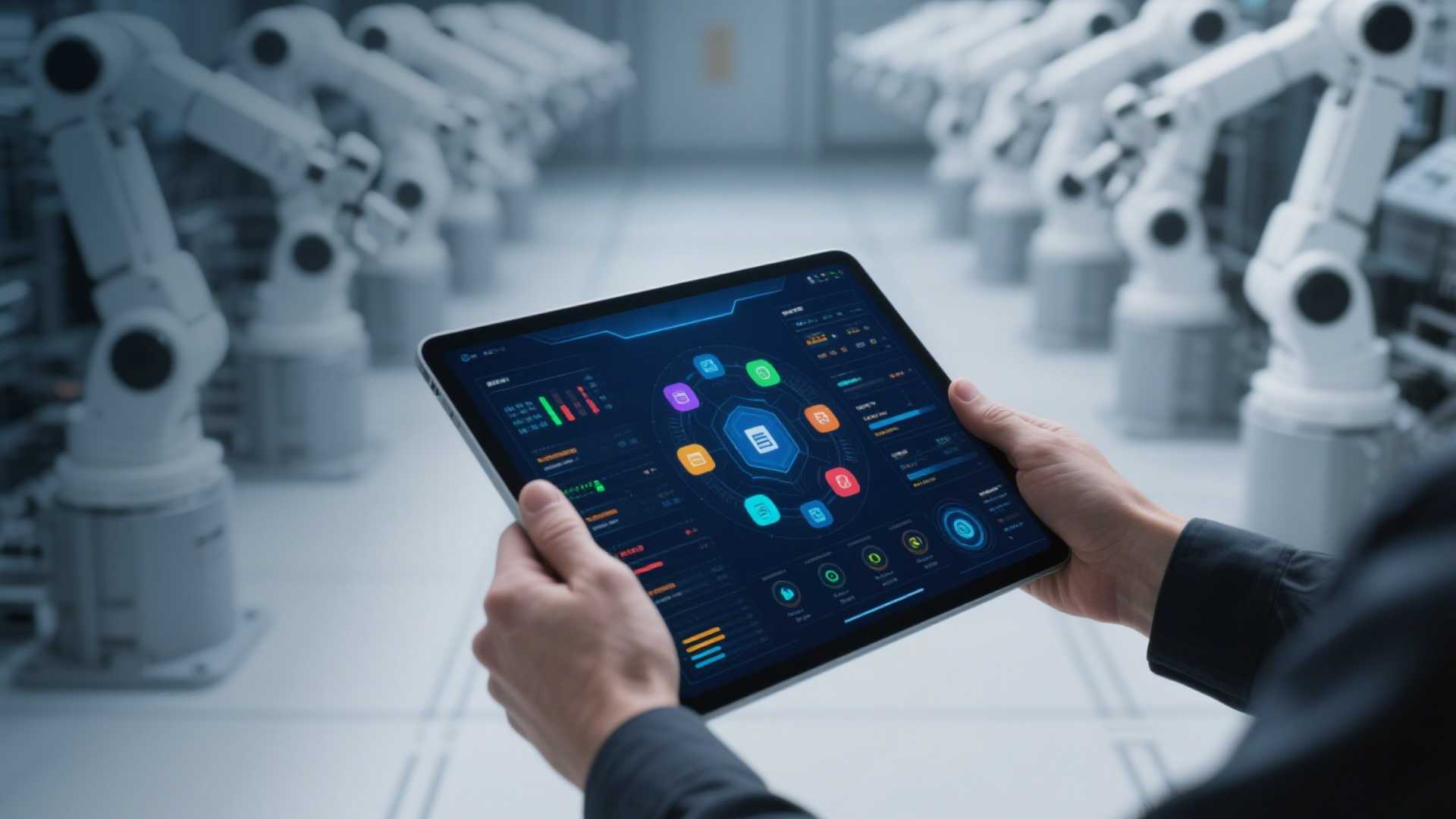
Training focuses should differ by role: planners need to master the APS system's scheduling parameter settings, plan adjustments, and anomaly handling techniques to optimize scheduling solutions based on production requirements. Workshop operators should become proficient in the system's production task reception and progress feedback processes to promptly synchronize on-site execution data. Warehouse and procurement personnel must learn to query material requirements and synchronize incoming material information through the system to ensure data flow remains unobstructed.
The value of the APS system relies on efficient human-machine collaboration. Training helps employees understand the integration points between the system and existing workflows, avoiding operational pitfalls. In addition, simplified operation manuals should be provided, along with hands-on drills based on daily work scenarios, enabling employees to quickly get up to speed and preventing production gaps caused by unfamiliarity.
Employee training after the APS system goes live is a necessary guarantee for smooth implementation, directly determining subsequent operational efficiency. The APS system can fully unleash its data integration and scheduling optimization capabilities only through standardized employee operations, truly serving supply chain production operations.