


 Products & Services









 400 676 5650
Time:2026-01-30
Evaluating whether supply chain planning and scheduling is feasible primarily involves comparing actual resource constraints with business requirements, checking one by one whether the plan can be applied in actual production to avoid disconnection between the plan and reality. First, assess whether resources are appropriate, focusing on whether the equipment's production capacity can meet the planned output, whether the workload of equipment in each process is within a reasonable range, and whether the manpower arrangement and skill level align with the process requirements and production cycle.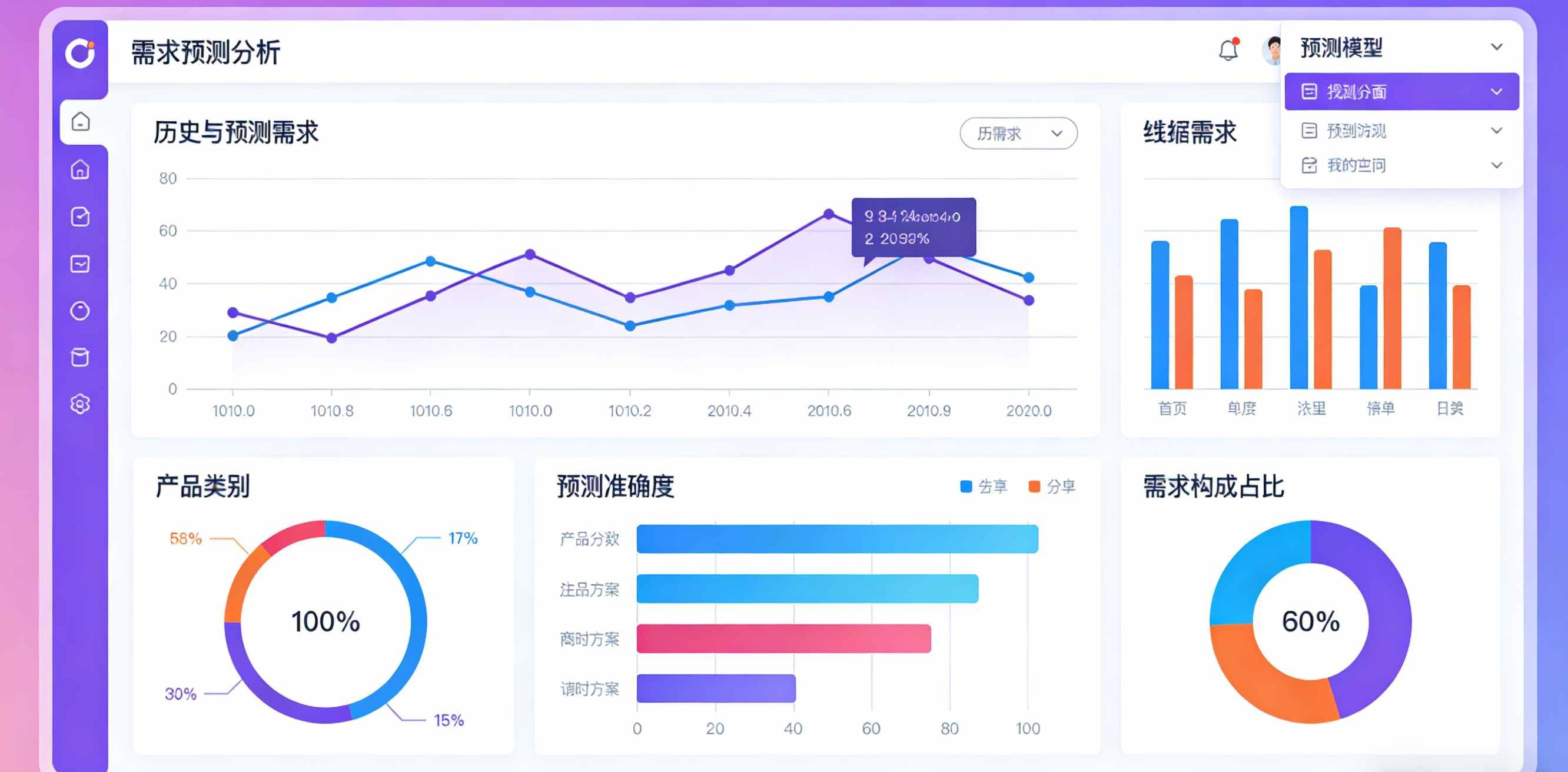
Material supply is a key aspect of evaluating supply chain planning and scheduling. It is necessary to determine whether the arrival time of core materials, inventory quantities, and the planned start time of production are aligned. At the same time, examine the supplier's delivery capabilities and past performance to identify risks of material shortages or delays. Also, based on order delivery requirements, verify whether the production scheduling time points are reasonable, leaving sufficient time for process handovers and including buffer time for contingencies.
Finally, supply chain planning and scheduling verifies overall feasibility by simulating actual conditions, including potential equipment failures, minor demand adjustments, and other unexpected situations that may arise in production. This helps determine whether there is room for adjustment in the plan. At the same time, involve sales, production, and procurement departments to jointly confirm whether the connections between each stage are smooth, ensuring that the plan not only meets order requirements but also aligns with actual operational conditions at each stage, enabling smooth implementation and controllability of the plan.