


 Products & Services








 400 676 5650
Time:2026-01-26
The failure of supply chain planning and scheduling system implementation is rarely caused by a single issue; the key lies in unclear requirements, unreliable data, and poor execution follow-through.Many factories fail to clarify their actual needs from the start. Some mistakenly believe that more features are always better, blindly pursuing full modules, only to end up with a system that doesn't match their production model or process characteristics—for example, discrete manufacturing plants forcibly adopting process manufacturing system solutions. Others fail to sort out key information such as capacity constraints, bill of materials, and routing, leaving the supply chain planning and scheduling system without a precise operational foundation.
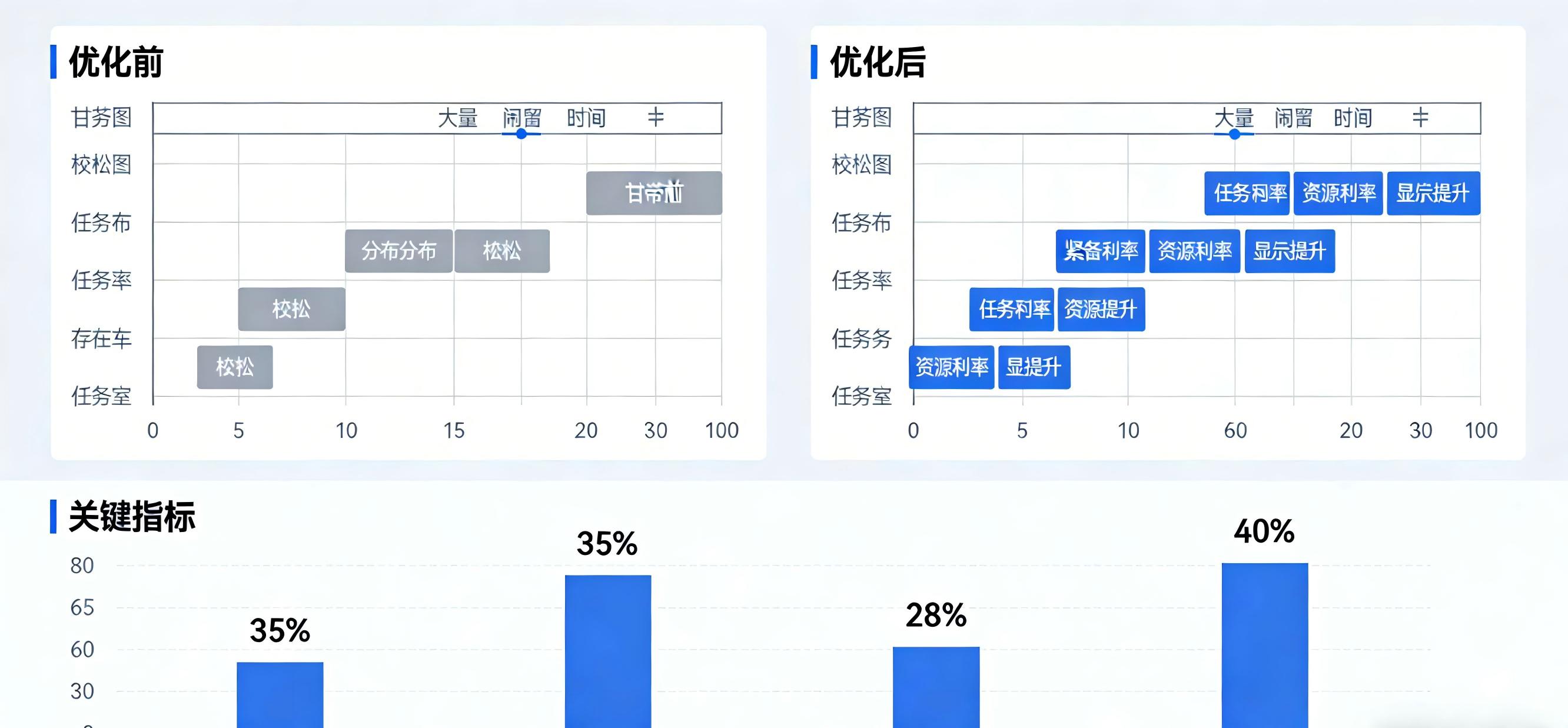
Poor data quality is also a common problem. Production data is not updated in time, material specifications don't match actual workshop usage, and equipment parameters are entered incorrectly—all of which cause the scheduling plan generated by the supply chain planning and scheduling system to be disconnected from actual production, making it impossible to implement. Additionally, many companies neglect employee training: operators don't know how to use the system functions, planners can't adjust plans based on workshop conditions, and the system ends up sitting idle. Furthermore, ineffective cross-departmental collaboration creates roadblocks—production, procurement, and sales each operate in silos without shared data, encountering obstacles everywhere during plan execution. If the selected vendor lacks industry experience, fails to provide practical implementation methods, and offers inadequate post-sale support, the project naturally runs into problems midway.