


 Products & Services










 400 676 5650
Time:2026-01-29
Supply Chain Planning and Scheduling — The key to achieving production-sales alignment lies in breaking down departmental silos, enabling seamless data and process integration across demand, production, and delivery stages to ensure the production rhythm precisely mirrors real market needs. First, establish a stable demand collaboration mechanism: engage the sales team weekly or monthly to collect first-hand data such as terminal store orders and customer feedback, then calibrate demand forecasts using the past three months' sales and quarterly promotion plans — eliminating reliance on gut instinct alone when setting production targets.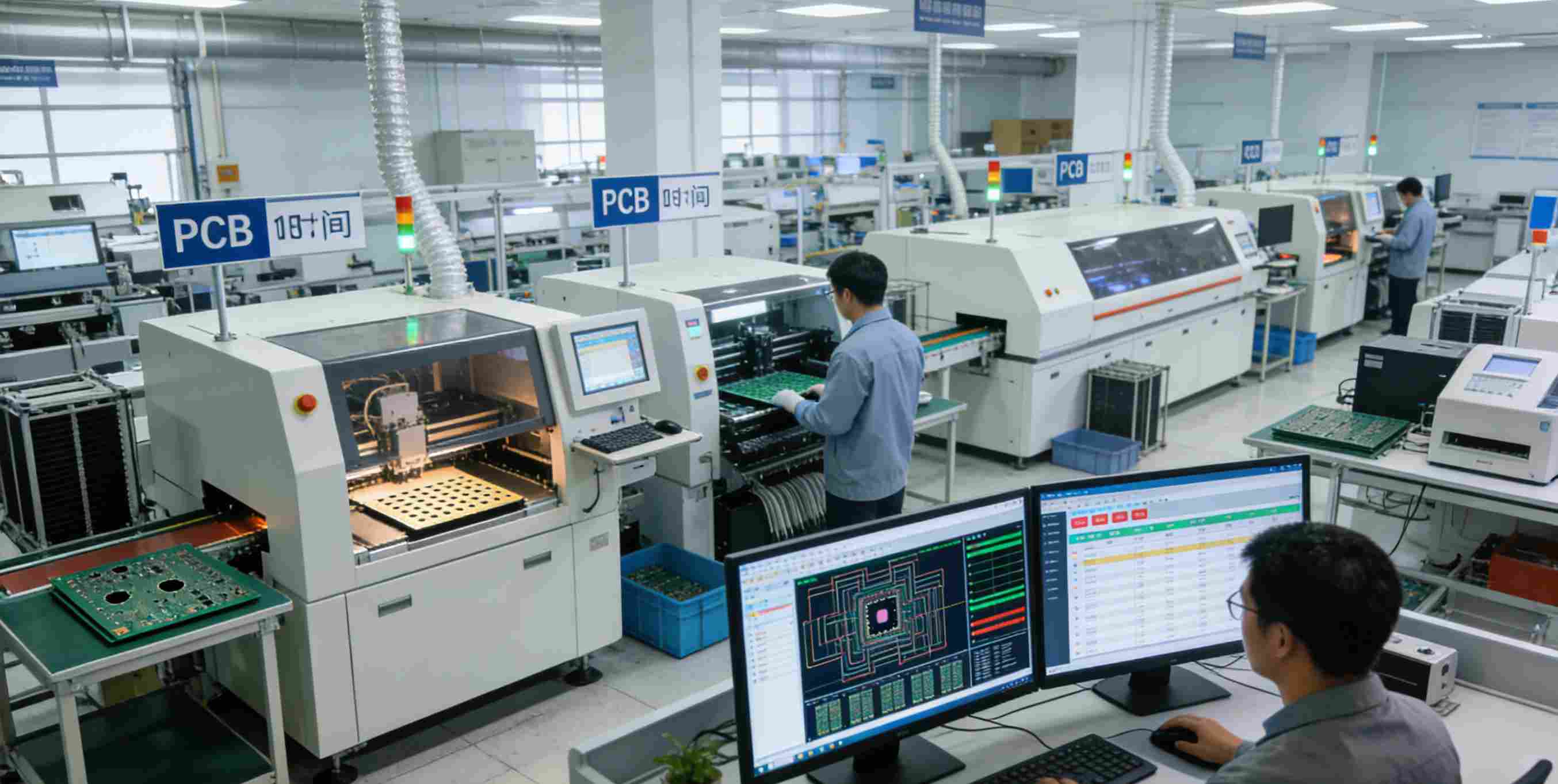
Supply Chain Planning and Scheduling must be centered on calibrated demand while factoring in practical constraints such as equipment capacity ceilings and lead times for core materials. Allocate workshop machinery and team manpower based on order urgency and profit priority, defining clear production start and finish times for each batch, while reserving about 5% flexible capacity to absorb short-term demand volatility or last-minute order changes. Material planning should proceed in sync with production scheduling — confirm delivery schedules and quantities with suppliers in advance to prevent critical material shortages from disrupting the production rhythm.
Furthermore, establish a real-time feedback loop: the production side reports order progress and deviation reasons daily, while the sales side immediately communicates market demand shifts. The planning department then rapidly adjusts the scheduling scheme based on this information. This kind of end-to-end data linkage and efficient collaboration in Supply Chain Planning and Scheduling can minimize the gap between production and demand, truly enabling synchronized and efficient production-sales operations.