

 Products & Services







 400 676 5650
Time:2026-01-23
Supply Chain Planning and Scheduling System implementation costs have no fixed standard. This doesn't mean they are always expensive—the key lies in the size of the enterprise and the specific requirements for configuration.For small to medium-sized factories, if only basic scheduling needs are required—such as order allocation and process arrangement as core functions—there is no need to spend a large sum. They can opt for a SaaS subscription model, paying monthly or annually without a hefty upfront purchase of the software. Alternatively, they can choose a lightweight system that directly repurposes existing servers and network equipment in the factory, avoiding additional hardware procurement. The costs for software licensing, implementation, and deployment can all be kept within an acceptable range.
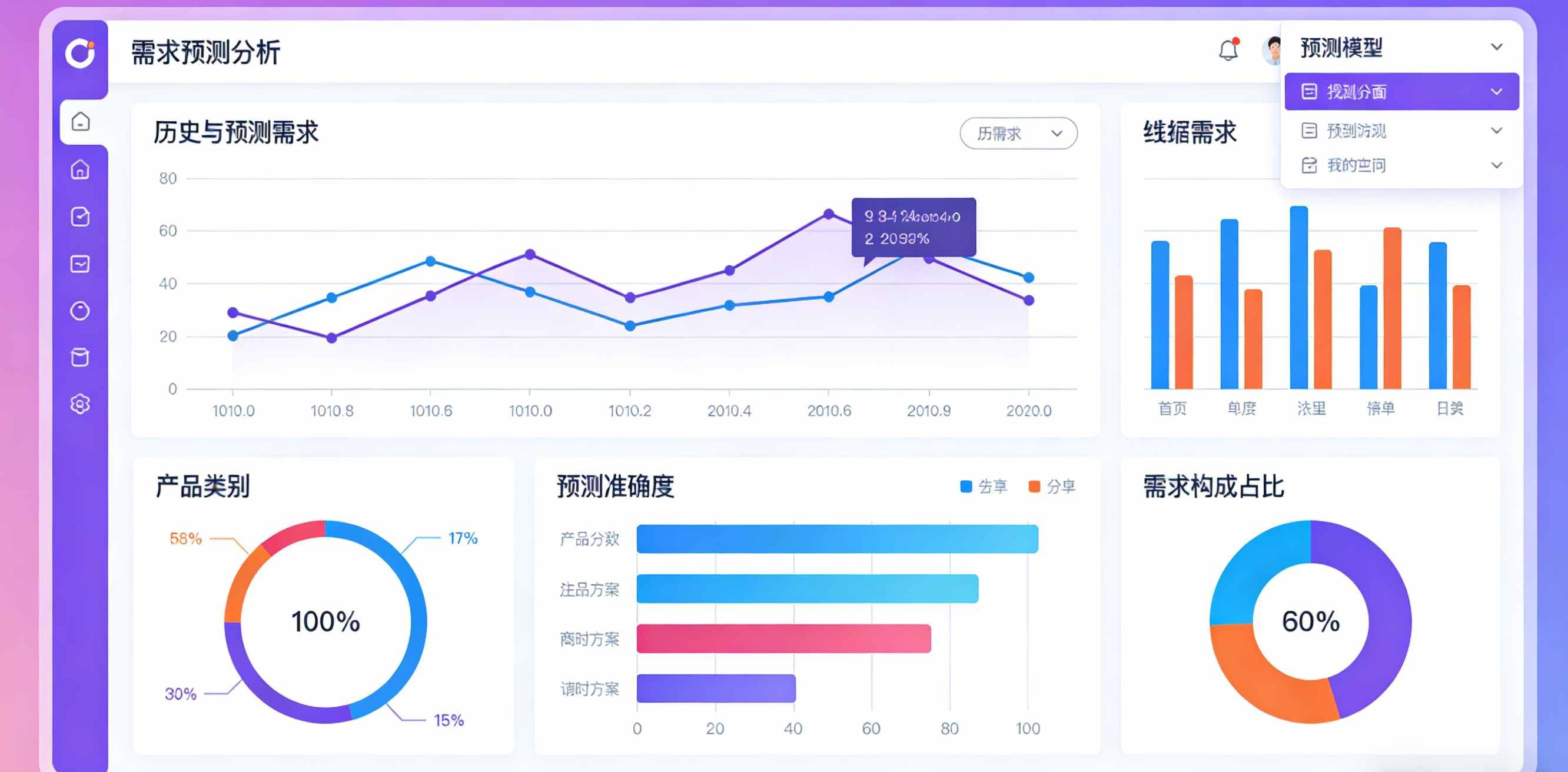
For large enterprises with multiple factories, complex production processes, and the need for custom features or integration with multiple systems such as ERP and MES, the cost of a Supply Chain Planning and Scheduling System will naturally be higher. Additional expenses include custom development, data interconnection, and specialized employee training. However, such enterprises can control costs by implementing the system in phases—starting with core modules and gradually upgrading and expanding as business develops. In practice, as long as you choose the right deployment approach and functional modules without blindly pursuing all features, implementation costs can be reasonably controlled. Moreover, the benefits brought by a Supply Chain Planning and Scheduling System, such as improved production efficiency and reduced inventory waste, often offset the initial investment in a short period.