

 Products & Services







 400 676 5650
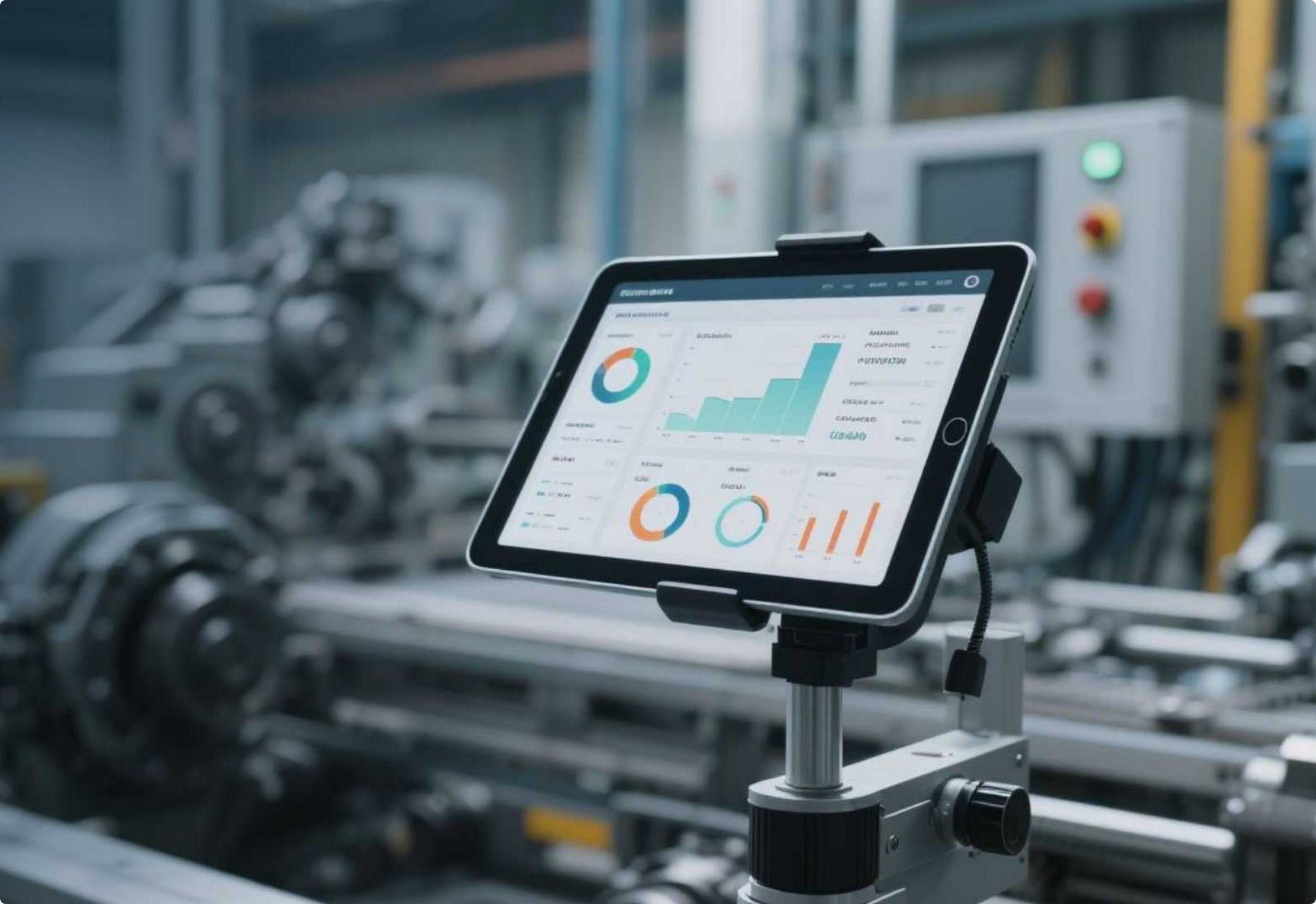
In the current economic climate, many enterprises face a common challenge: an oversupplied market. With declining order volumes and relative overcapacity, some businesses are questioning whether it is still necessary to adopt an advanced Smart Factory Advanced Planning and Scheduling (APS) system. However, upon deeper analysis, it becomes evident that even in an oversupplied market, the APS system remains an indispensable tool for enterprises.
First, the APS system enables enterprises to optimize resource allocation. In an oversupplied market, businesses face issues such as idle production lines, declining worker efficiency, and inventory buildup. By leveraging precise demand forecasting and capacity evaluation, the APS system helps formulate scientifically sound production plans, thereby reducing unnecessary resource waste. For example, enterprises can use the APS system to assess, based on current orders and future sales forecasts, whether full production lines need to be operational or which lines can minimize uptime through optimized scheduling of production tasks and working hours, thus lowering production costs.

Second, the APS system improves production efficiency and responsiveness. In an oversupplied market, enterprises need to be more agile in responding to market changes to meet customer demands. Through intelligent scheduling algorithms and real-time data updates, the APS system swiftly adjusts production plans, ensuring that businesses can quickly adapt to market fluctuations and fulfill customer requirements. This not only enhances customer satisfaction but also brings in more orders and revenue.
Furthermore, the APS system plays a pivotal role in strengthening inventory management. Faced with the common problem of excess inventory in an oversupplied environment, the system leverages precise forecasting techniques and rigorous inventory monitoring to guide enterprises toward more scientific inventory strategies. This effectively mitigates issues of inventory buildup and capital tie-up, while dynamic inventory tracking and early warning mechanisms enable businesses to anticipate and quickly respond to inventory anomalies, further reducing unnecessary inventory costs.
Critically, adopting an APS system does not necessarily lead to layoffs or downsizing. On the contrary, it provides intelligent guidance for the reallocation of resources and human capital, allowing enterprises to redeploy these valuable assets across different nodes of the production chain or in emerging projects. This approach not only enhances resource utilization efficiency but also drives internal operational improvements, laying a solid foundation for long-term stable growth and diversified strategies.
In summary, in the current reality of an oversupplied market, integrating an APS system is a key lever for enterprises to boost production efficiency, refine resource allocation, control inventory costs, and accelerate market adaptability. It is also an essential tool for building sustained competitive advantages and paving the way for future development. It underscores that, amid challenges and transformations, intelligent management tools are the core drivers for enterprise transformation, resilience, and competitiveness.