

 Products & Services






 400 676 5650
Time:2025-12-23
Traditional manual scheduling, reliant on experience and Excel spreadsheets, has long struggled to keep pace with scenarios such as multi-variety small-batch production, frequent rush orders, and multi-constraint resource scheduling. APS (Advanced Planning and Scheduling) systems, empowered by technology, have emerged as a key tool for solving production coordination challenges. APS Advanced Planning and Scheduling systems are not merely about sequencing orders; they leverage system modeling and intelligent algorithms to achieve global optimization and dynamic adaptation of production resources. This fundamental difference is reshaping the logic of manufacturing planning and delivery, driving dual improvements in efficiency and profitability for enterprises.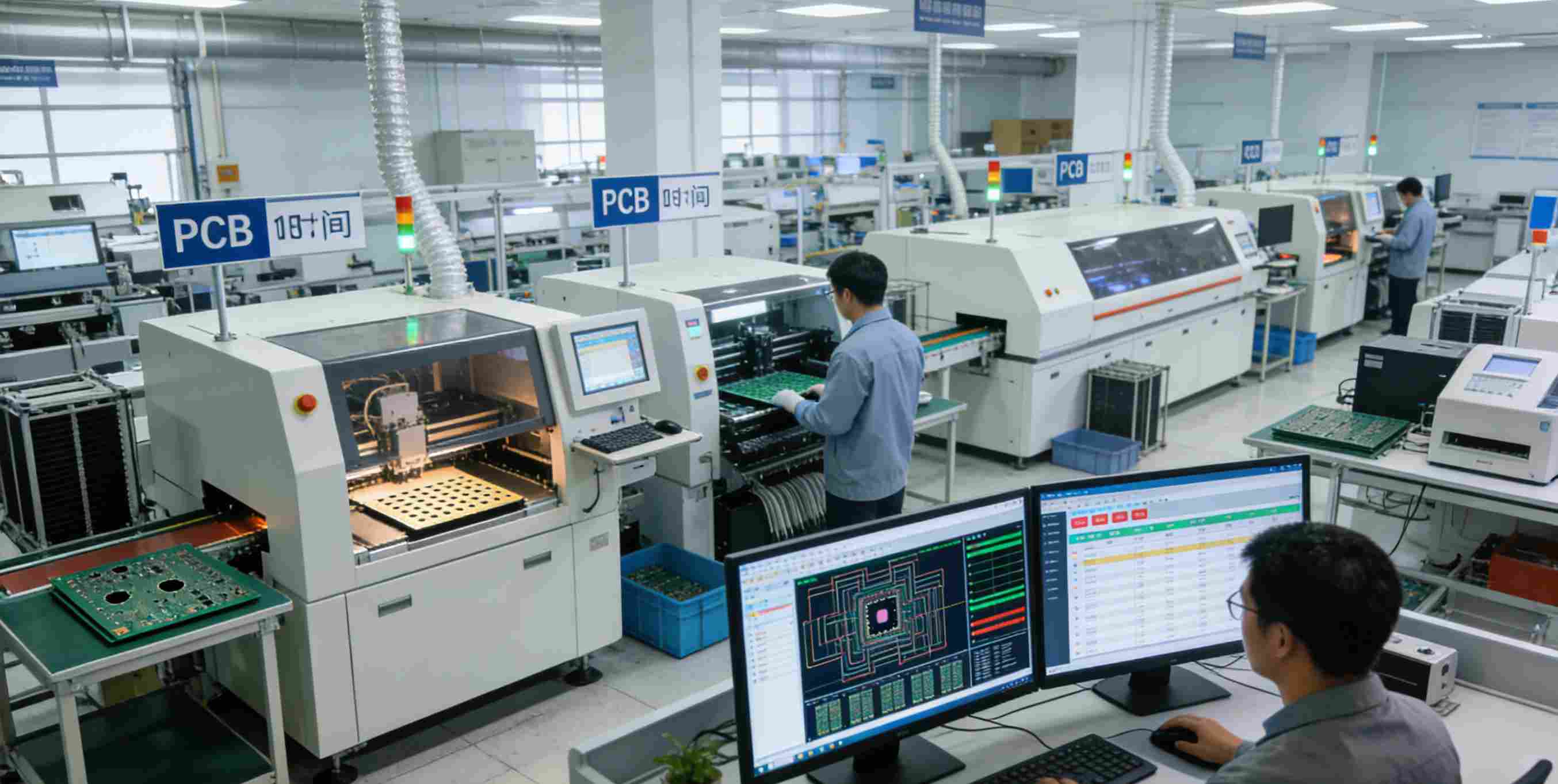
The biggest problem with traditional manual scheduling is its reliance on human experience, making it difficult to simultaneously account for multi-dimensional constraints. During manual scheduling, planners must manually integrate fragmented information—orders, materials, equipment, and personnel—which is time-consuming and labor-intensive, and often fails to comprehensively consider complex factors such as process requirements, equipment load, and material availability, leading to significant discrepancies between planned and actual production. Furthermore, manual scheduling lacks dynamic adjustment capabilities. When faced with sudden events like urgent rush orders, delayed materials, or equipment breakdowns, planners often need to re-evaluate all data from scratch. This prolonged adjustment cycle can trigger a chain reaction, resulting in capacity waste and delivery delays.
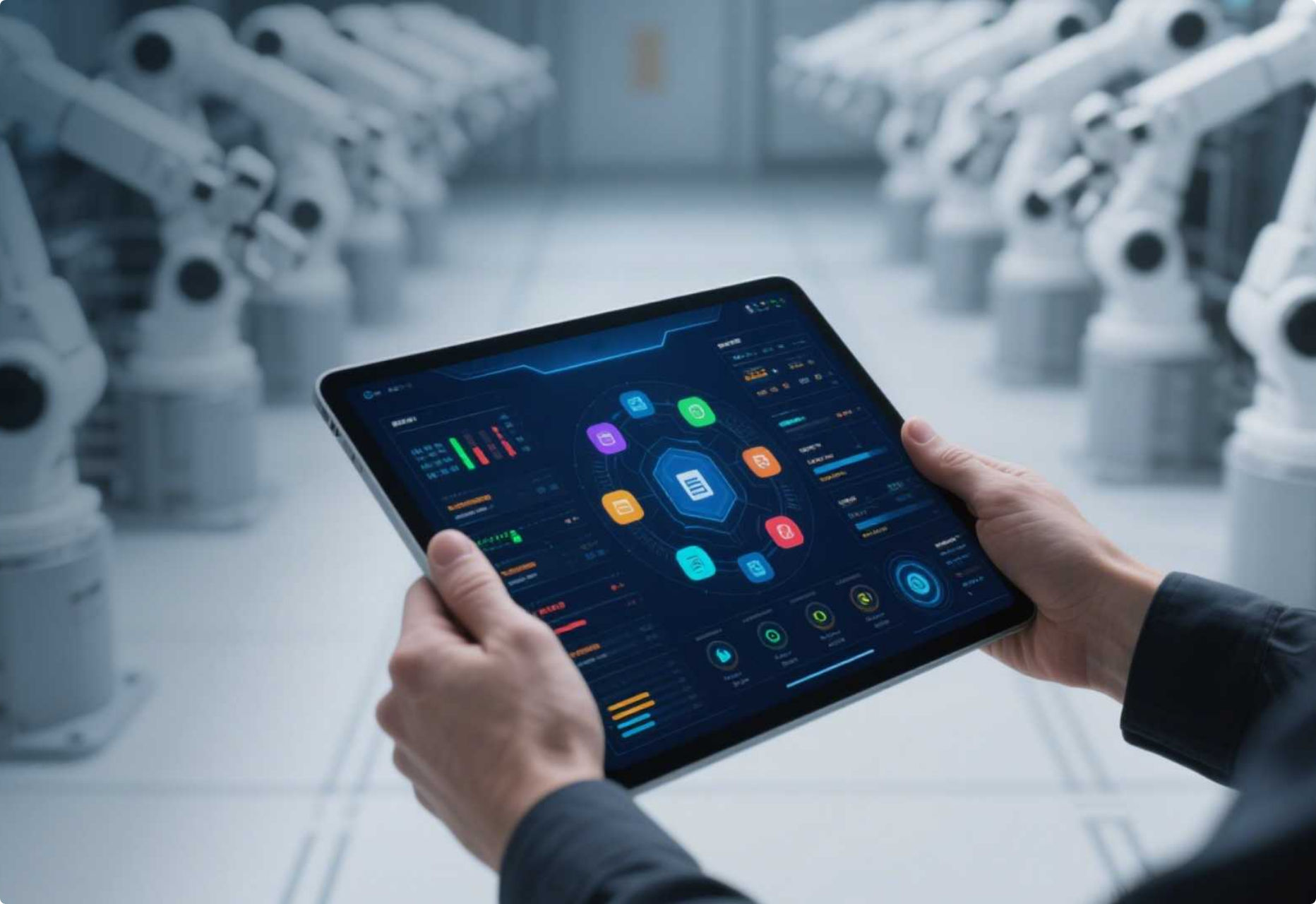
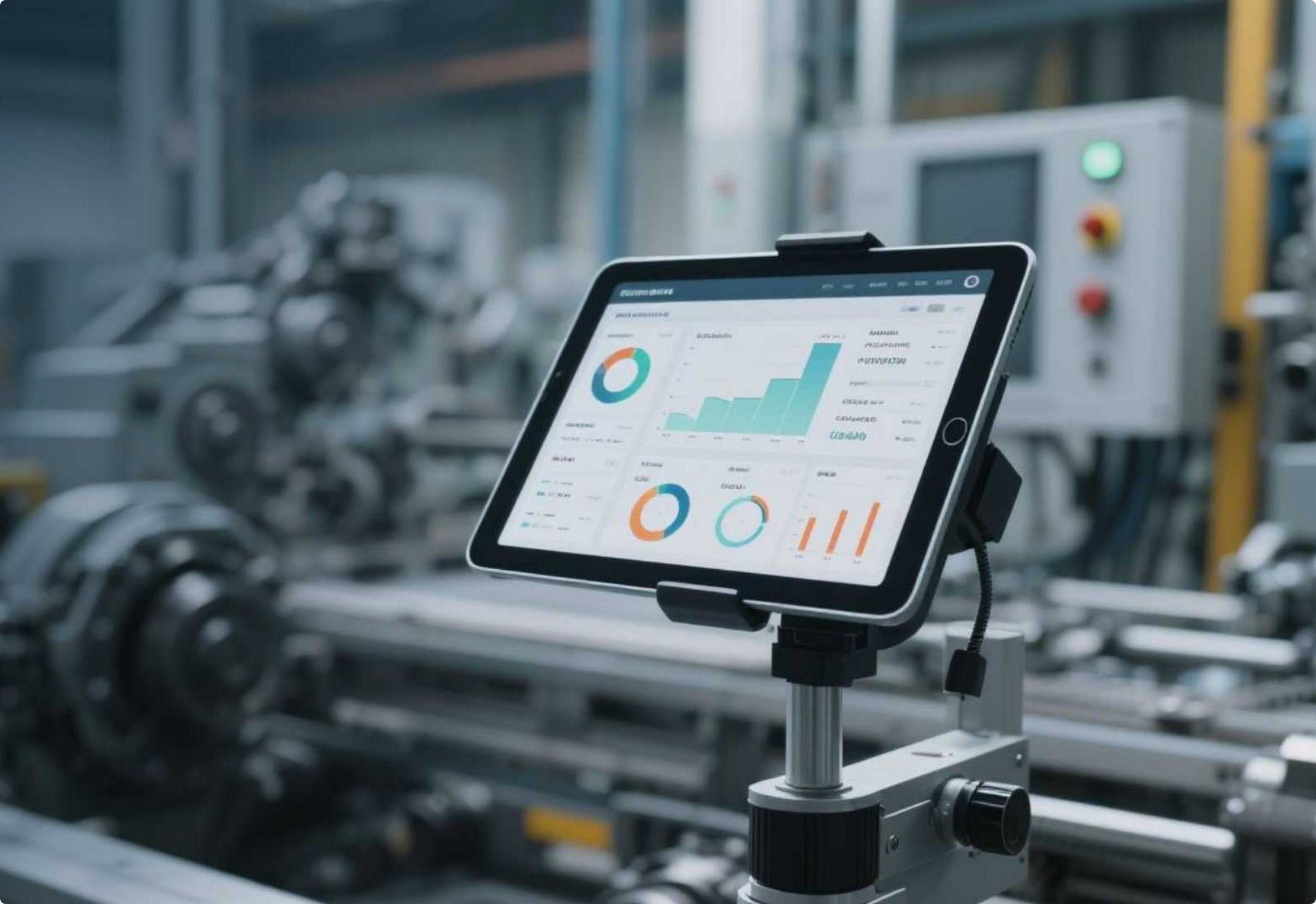
APS Advanced Planning and Scheduling systems offer the greatest advantage by relying on data and algorithms to make production planning systematic and intelligent. By constructing a digital production model, the APS system integrates information such as order requirements, resource capabilities, and process constraints into a unified data foundation. Using intelligent algorithms, it quickly calculates the optimal scheduling solution, significantly improving planning efficiency. Unlike manual scheduling, APS systems can connect data across inventory, production, and supply in real time, dynamically responding to market changes and on-site emergencies. Through multi-version simulation and what-if analysis, they can predict capacity gaps and material risks in advance, making planning adjustments more proactive. This systemic capability transforms production planning from reactive problem-solving to proactive prediction, and from localized optimization to global coordination.
The fundamental differences between the two are reflected in three key aspects: decision logic, coordination capability, and dynamic adaptability. In decision-making, traditional manual scheduling relies on experience-driven, fragmented, and subjective inputs; APS systems are data-driven, deriving optimal solutions from objective data and scientific algorithms, avoiding human bias.
In coordination, manual scheduling struggles to break down information silos between departments, causing misalignment across production, procurement, and sales due to unsynchronized data. APS systems establish a cross-departmental collaboration platform, enabling real-time sharing of order, material, and capacity information, ensuring efficient linkage across production, sales, and supply. In dynamic adaptability, manual scheduling responds slowly to demand changes and unexpected events, with high adjustment costs; APS systems support rapid rescheduling and dynamic rolling plans, quickly adapting to order changes and on-site contingencies to maintain production continuity.
Huipai APS Advanced Planning and Scheduling system deeply aligns with the practical needs of manufacturing, tightly integrating lean management concepts with intelligent algorithms. This system eliminates reliance on human experience, using unique algorithms and a microservices architecture to achieve precise scheduling under multiple constraints. It also boasts strong system integration capabilities, seamlessly connecting with upstream and downstream systems such as ERP, MES, and WMS, breaking down information silos.
In a complex and volatile market environment, APS Advanced Planning and Scheduling systems have become a critical pillar for enhancing the core competitiveness of the manufacturing industry. Compared to traditional manual scheduling, APS systems solve multi-constraint, dynamic production planning challenges through technological innovation, achieving a transformation from experience-driven to data-driven approaches.