


 Products & Services







 400 676 5650
Time:2026-01-19
To calculate the return on investment (ROI) cycle for a supply chain planning and scheduling system, the core is to determine the total cost of the Supply Chain Planning and Scheduling System and the annual net benefits generated after implementation. The cycle is derived by dividing the cost by the benefits, with the formula: ROI Cycle = Total System Investment Cost ÷ Annual Net Benefits.First, tally the total investment cost over the entire cycle of the supply chain planning and scheduling system. This includes both direct and indirect costs. Direct costs consist of clearly identifiable expenditures such as software licensing fees, implementation and deployment service fees, hardware upgrades or cloud server rental costs, and specialized employee training fees.
Indirect costs include hidden investments such as production capacity fluctuations during the initial launch of the supply chain planning and scheduling system, and the human resource coordination costs during the transition from the old system to the new one. These must be calculated item by item based on the company's actual operational data to ensure no omissions.
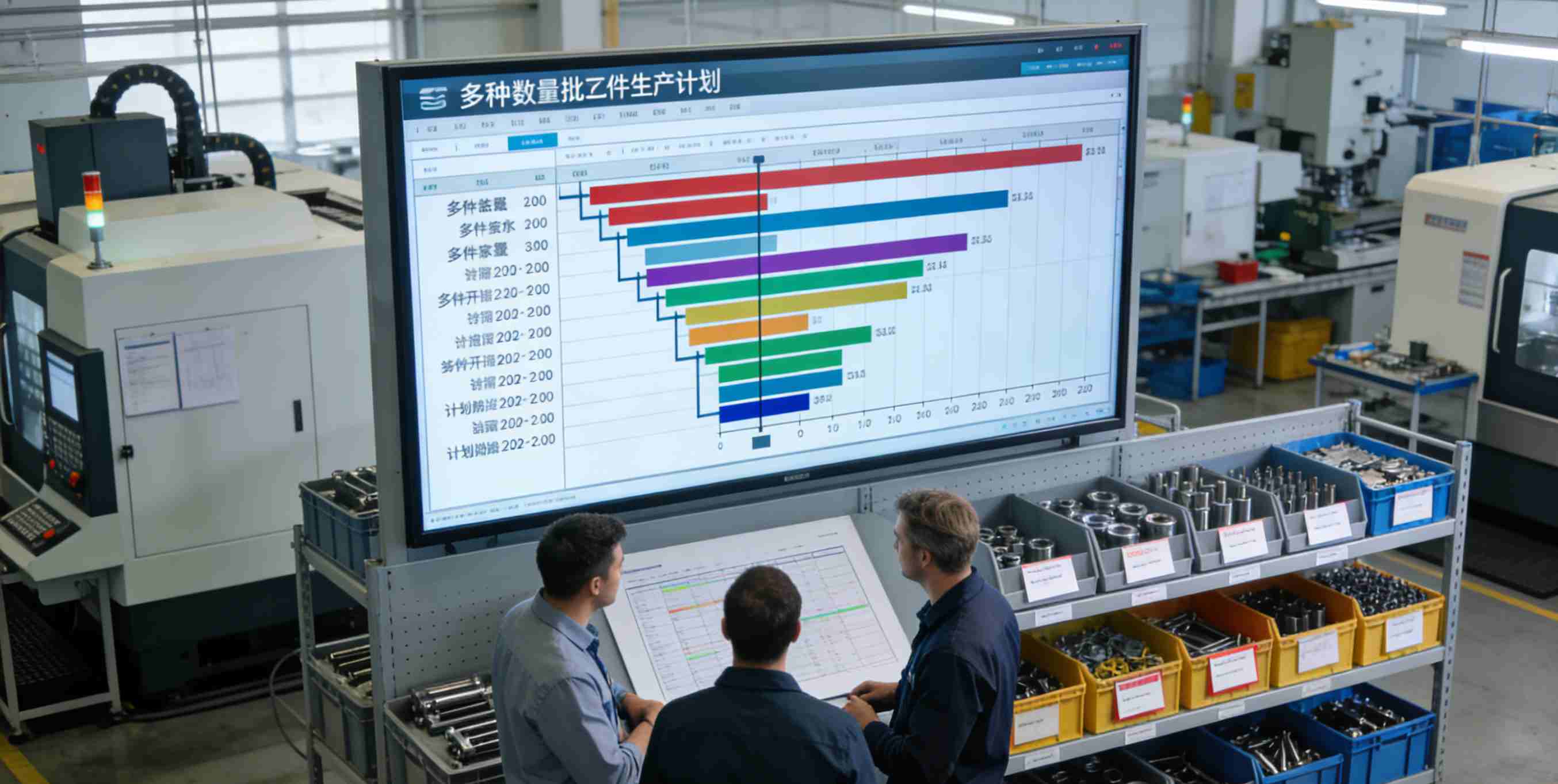
Second, accurately calculate the annual net benefits brought by the Supply Chain Planning and Scheduling System. The sources of benefits should be based on observable business improvement data: first, benefits from increased production efficiency—such as higher equipment utilization due to optimized scheduling leading to increased output, reduced changeover time freeing up capacity, and reduced penalty payments from improved on-time order delivery;
Second, benefits from cost savings—such as lower warehousing costs and reduced capital occupation interest from improved inventory turnover efficiency, reduced raw material waste and obsolescence inventory disposal losses from more precise material planning, and labor cost savings from reduced manual scheduling workload. Finally, divide the total investment cost by the annual net benefits to obtain the ROI cycle. If the result is 3 years, it means the investment cost of the Supply Chain Planning and Scheduling System can be fully recovered within 3 years through benefits. The smaller the value, the higher the investment value of the system.