

 Products & Services







 400 676 5650
Time:2026-01-14
Excess inventory not only consumes storage space but also ties up significant capital. The Supply Chain Planning and Scheduling System integrates historical sales data, current order demand, market trends, and other information to precisely calculate future material requirements, avoiding over-procurement caused by experience-based stock preparation. For example, if a product requires three main components, the system uses production progress and material consumption rates to determine the optimal timing and quantity for purchasing each component, ensuring the production line never stops due to material shortages while preventing components from sitting idle in the warehouse prematurely.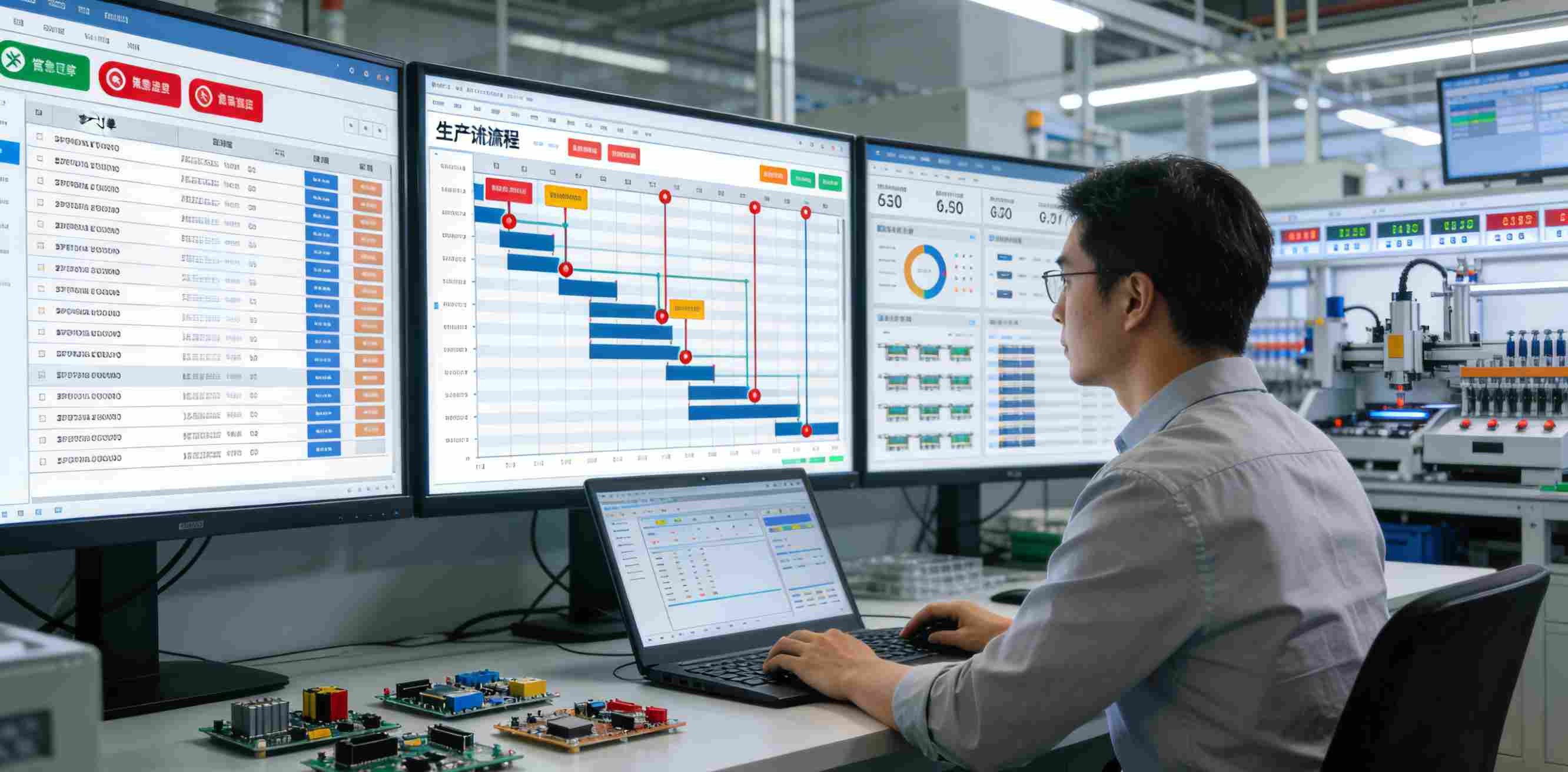
The Supply Chain Planning and Scheduling System also provides real-time tracking of all material statuses, whether in transit, currently being used on the shop floor, or stored in the warehouse. If a specific material nears its safety stock threshold, the system promptly alerts for replenishment; conversely, if inventory exceeds optimal levels, it adjusts subsequent procurement plans to reduce stagnant stock. For companies with multiple factories or warehouses, the system optimizes inventory allocation by transferring surplus materials from one warehouse to another to address shortages, eliminating waste caused by localized excess and scarcity. This ensures inventory remains at a reasonable level.