

 Products & Services



 400 676 5650
Since China announced its dual carbon goals in 2020, relevant departments have coordinated with each other, central and local governments have worked in tandem, strengthened planning guidance, and clarified the timetable, roadmap, and construction plan for carbon peak and carbon neutrality. Against the backdrop of China's 2030 “carbon peak, carbon neutrality” goal, as a major energy consumer and a key player in carbon reduction, the logic of smart factories has fundamentally changed in the dual carbon era. Alps System Integration (Dalian) Co., Ltd. (abbreviated as “ALSI”), as a smart factory solution provider, has always adhered to the industrial capacity layout strategy, firmly grasped the opportunity of the times, and helped factories build “green, intelligent, and efficient” production workshops with the ALSI Intelligent Solution for Production Equipment, becoming a “pioneer” on the “dual carbon” road of smart factories through down-to-earth intelligent manufacturing.
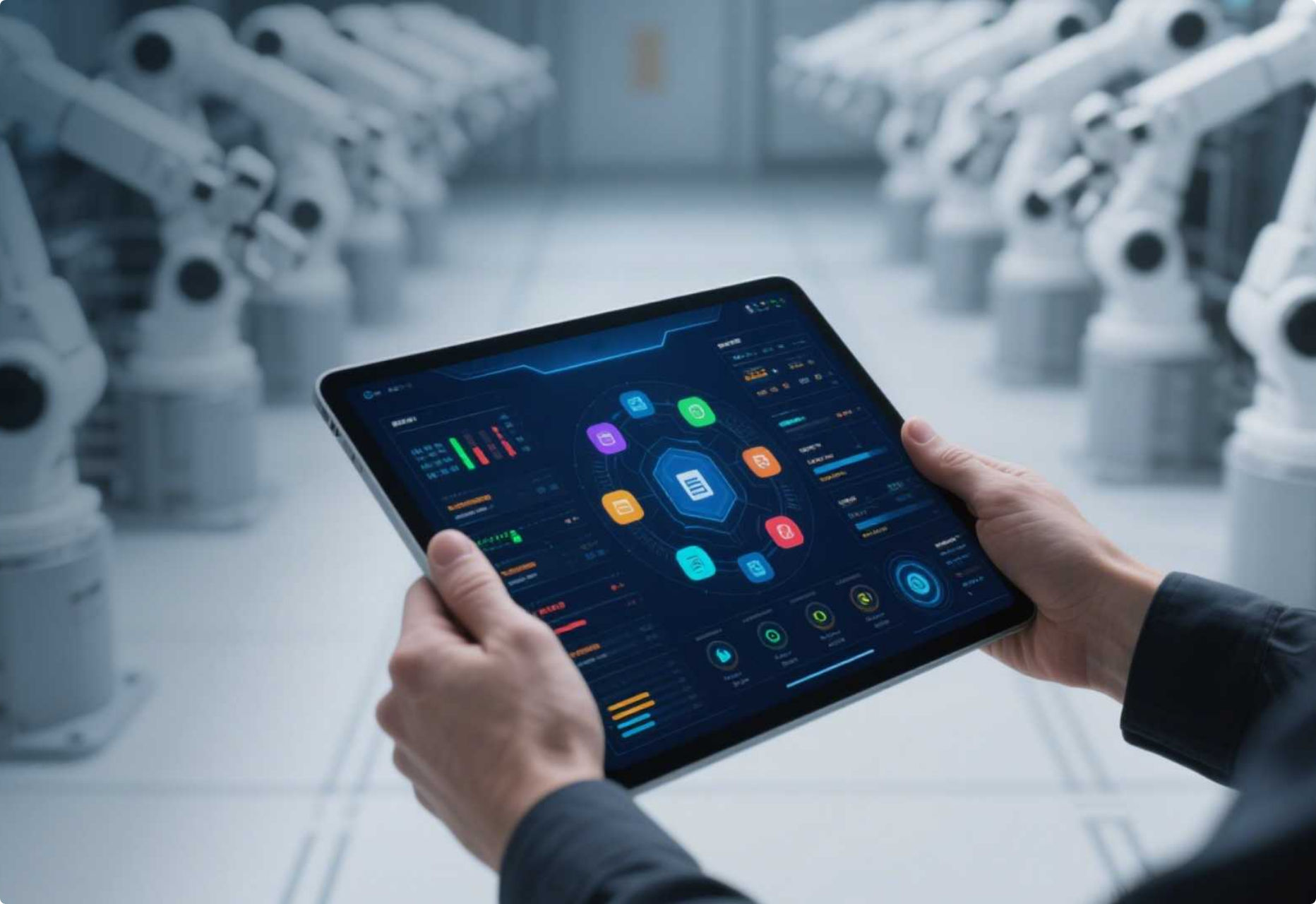
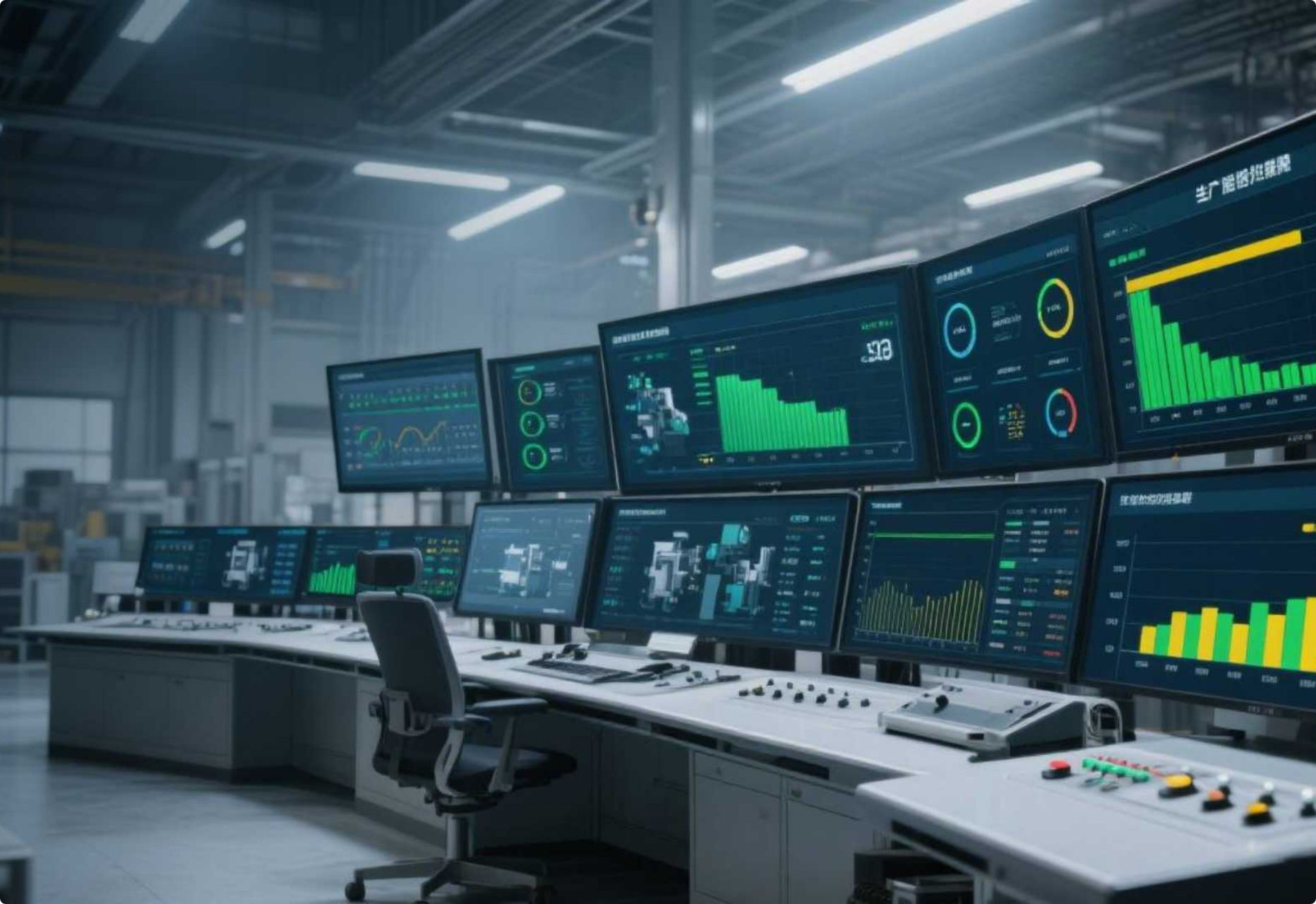
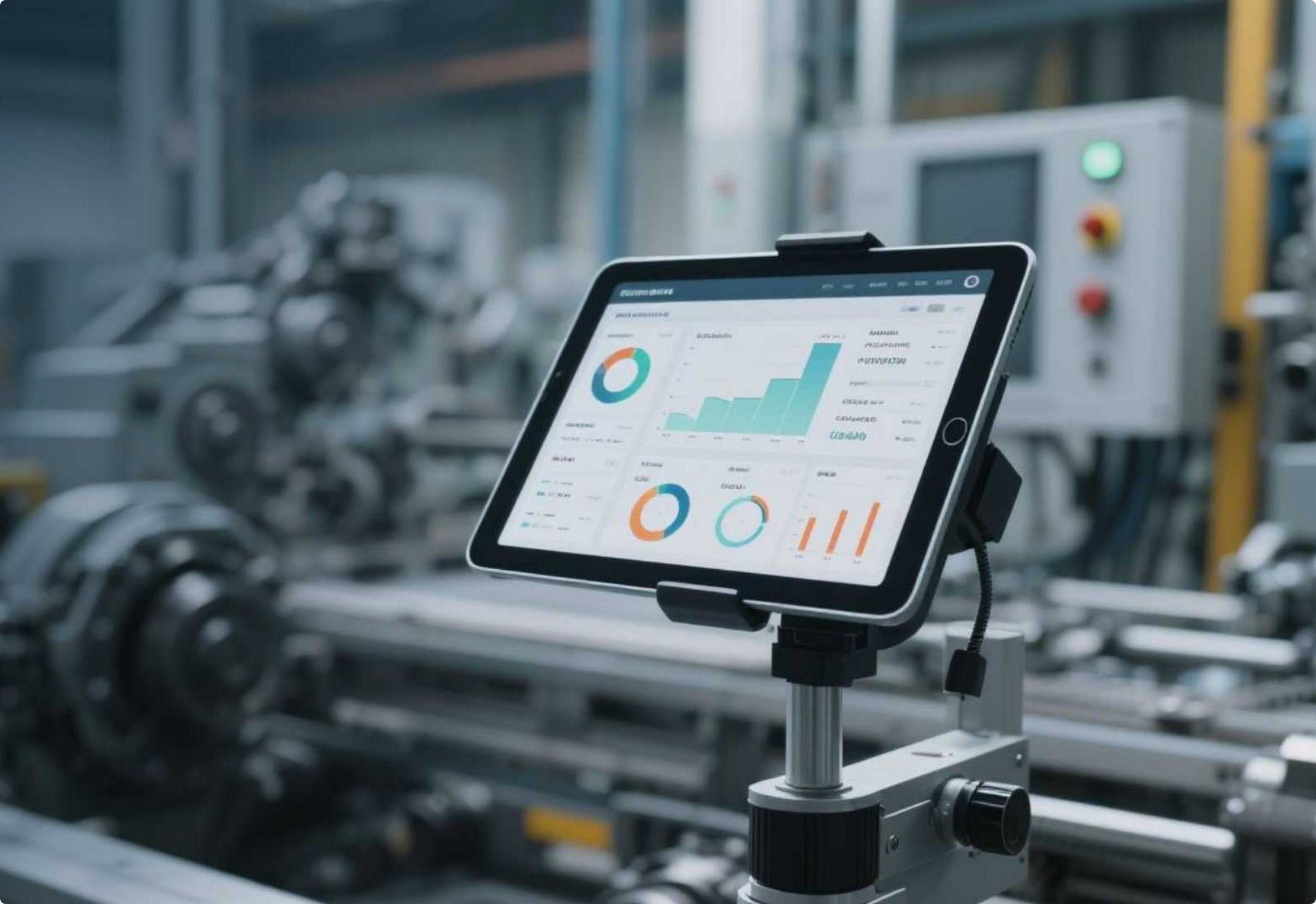
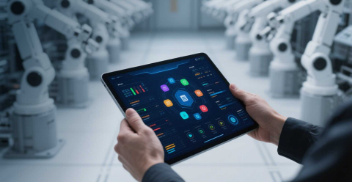
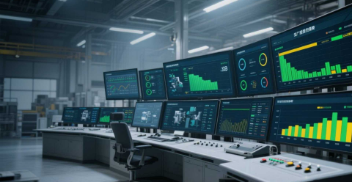
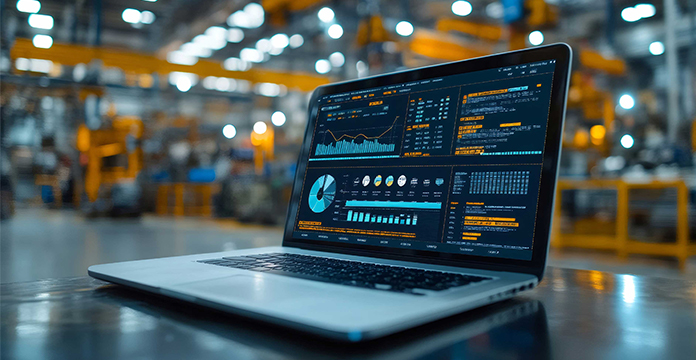
Under the dual pressures of dual carbon development goals and market competition, enterprises truly need to find technical paths to optimize energy saving and emission reduction to realize smart factories. As a “practitioner” and “enabler” of smart factory transformation, ALSI, leveraging its professional technology and experience in the two major fields of industrial automation and energy management, has developed a set of beneficial practices that not only align with the national dual carbon development goals but also fully match the unity of knowledge and action on the road to building smart factories — the ALSI Intelligent Solution for Production Equipment. This solution, premised on safe and reliable operation of equipment, comprehensively covers all aspects of production operations, realizing real-time monitoring, intelligent diagnosis, comprehensive evaluation, early warning of equipment faults, and tracking of deterioration trends. It can also interconnect with existing SAP, ERP and other functional modules to achieve data sharing and reduce manual intervention. The leap in overall factory intelligence allows equipment maintenance to transform from “human prevention” to “technical prevention”, from experience-based control to refined control, and from manual decision-making to intelligent decision-making. After many large, medium, and small factories adopted this solution, equipment failure frequency and maintenance costs were reduced by 30%, and fault time was shortened by 35%. This system helps factories build clean, safe, efficient, and intelligent demonstration projects, gaining development opportunities for the strategic deployment of energy saving, emission reduction, and low-carbon development.
The implementation plan of “Industrial Internet + Dual Carbon” formulated by relevant departments has provided top-level design for achieving the “dual carbon” goals, promoting new-generation information technologies such as industrial internet and big data to empower smart factories. It can be said that on the road to promoting enterprise transformation, upgrading, and sustainable industrial development, ALSI has been actively participating in every link, aiming to implement the “green and low-carbon” strategic deployment of smart factories. In the future, ALSI looks forward to joining hands with more like-minded partners to pool wisdom and efforts to jointly reduce the burden of carbon neutrality and realize the transformation of traditional factories into smart factories.