

 Products & Services






 400 676 5650
The Wise Seize the Moment: The Priority of Decision-Making
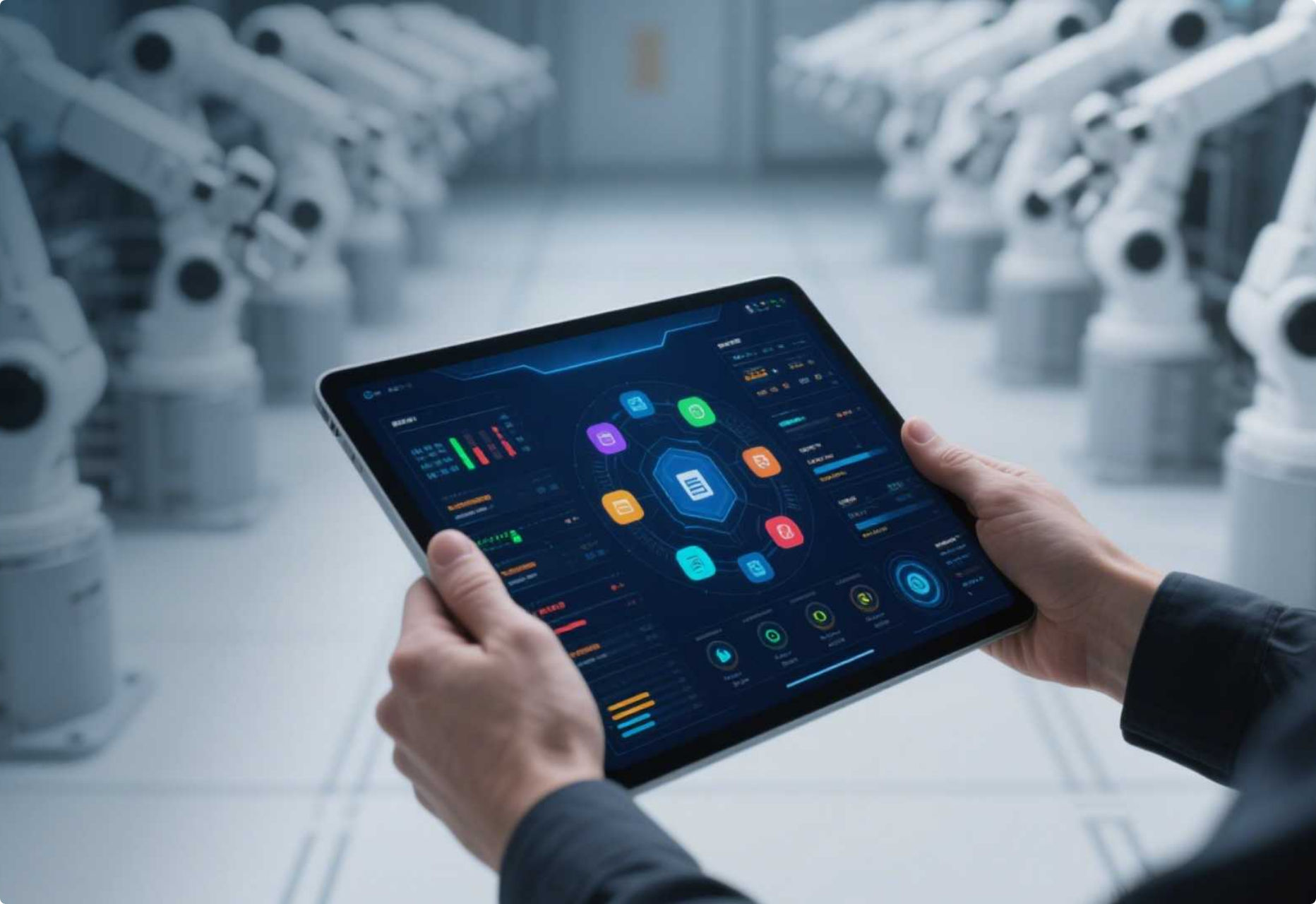
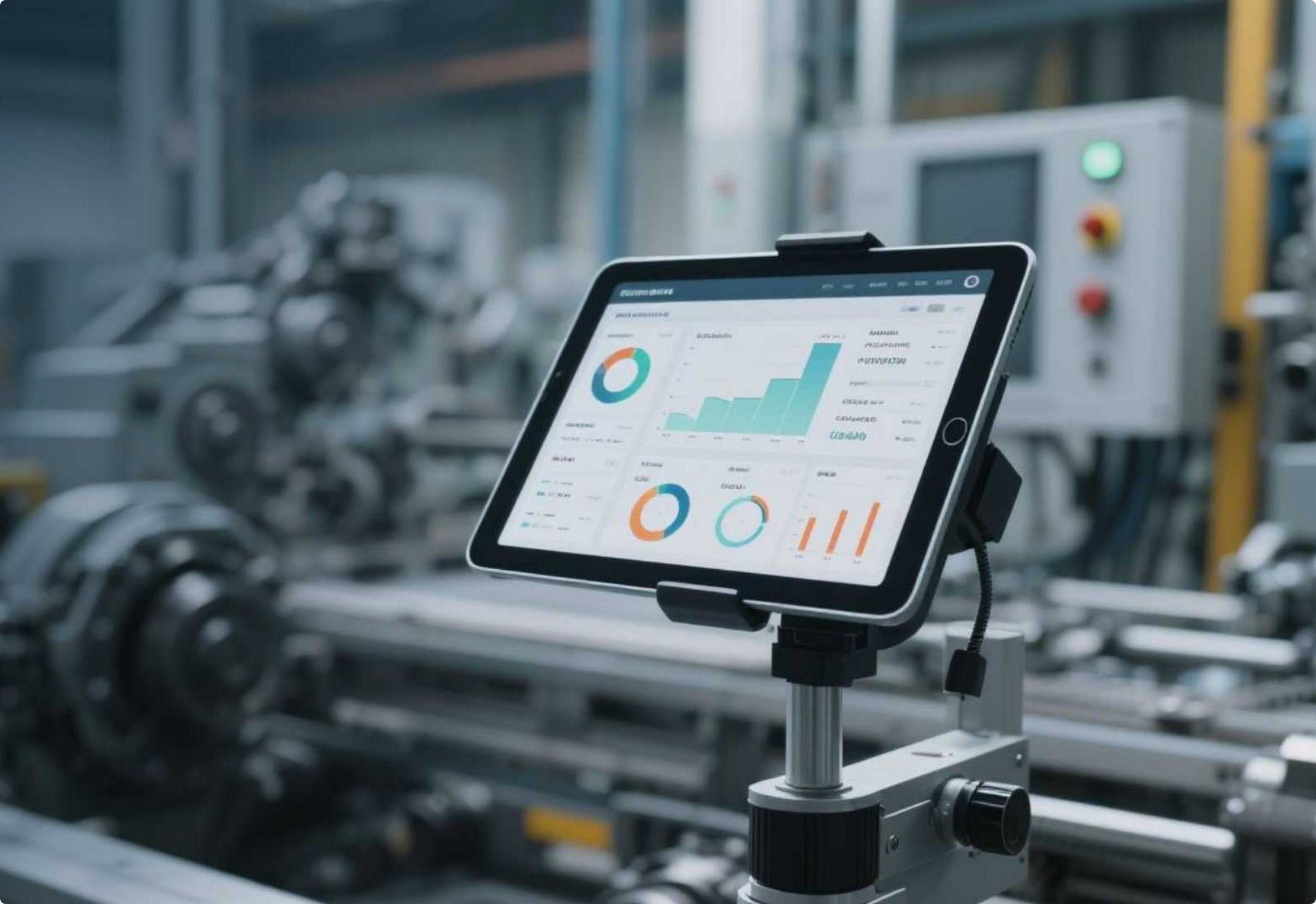
With the rapid advancement of technology, smart manufacturing equipment is ushering in a new era in industrial production. From automated production lines to AI-assisted quality control, we take you deep into how these high-tech devices enhance efficiency, reduce costs, and drive industrial upgrades.
Optimal Solution vs. Satisfactory Solution: The Gap Between Theory and Practice
Optimal Solution: This refers to the best possible outcome among all alternatives, derived through scientific analysis and calculation under given conditions. It typically means maximizing benefits or utility within established goals and constraints. For example, in corporate decisions aimed at minimizing costs and maximizing profits, the optimal solution is the decision point that achieves the lowest cost and highest profit.
Satisfactory Solution: This refers to a decision outcome that is deemed acceptable and satisfactory through trade-offs and comparisons under real-world conditions. It is a feasible solution that meets the decision-maker’s needs and expectations. Rather than pursuing the best outcome or maximum benefits, it aims for relative satisfaction and "good enough."

The optimal solution, as the alternative with the maximum benefit or highest efficiency, sounds like the perfect answer. However, in practice, it often faces the following challenges:
1) Incomplete Data: In real-world scenarios, arriving at an "optimal solution" often requires comprehensive and complete data and information for support, yet most enterprises struggle to obtain the exact information needed.
2) Resource and Time Constraints: For most companies, finding the "optimal solution" demands enormous time, manpower, and material resources. This not only lowers decision-making efficiency but also means that by the time the solution is finalized, business opportunities may have already slipped away.
3) Rapid External Fluctuations: Market demands and production conditions change frequently. The optimal solution, painstakingly derived, may no longer be applicable by the time it is implemented.
In contrast, the satisfactory solution focuses on finding a solution that meets current needs and is feasible within the existing constraints. It offers greater flexibility and practicality, enabling quick responses to changes while effectively reducing trial-and-error costs.
The Winning Strategy of the "Satisfactory Solution"
Huipai APS Supply Chain Resource Planning Platform, as a digital solution deeply rooted in the manufacturing industry, stands out for its pursuit of the "most satisfactory customer solution" rather than simply chasing the theoretical "optimal solution."
In today’s market, many APS systems tend to seek optimal solutions through advanced algorithms, requiring enterprises to provide highly accurate data for support. While this approach can theoretically achieve the best results, it encounters numerous obstacles during implementation due to missing information, time constraints, and resource limitations, often ending up "like drawing water with a sieve"—all for naught.
Therefore, when selecting an APS system, the foremost consideration should be whether it closely aligns with the manufacturing site and can be smoothly implemented. Leveraging the 70-year manufacturing expertise of its parent company, Alps Alpine Group, and 30 years of practical experience in manufacturing management systems, Huipai APS places greater emphasis on practical feasibility and implementation, ensuring that the APS system truly serves the enterprise, improving decision-making efficiency and effectiveness.
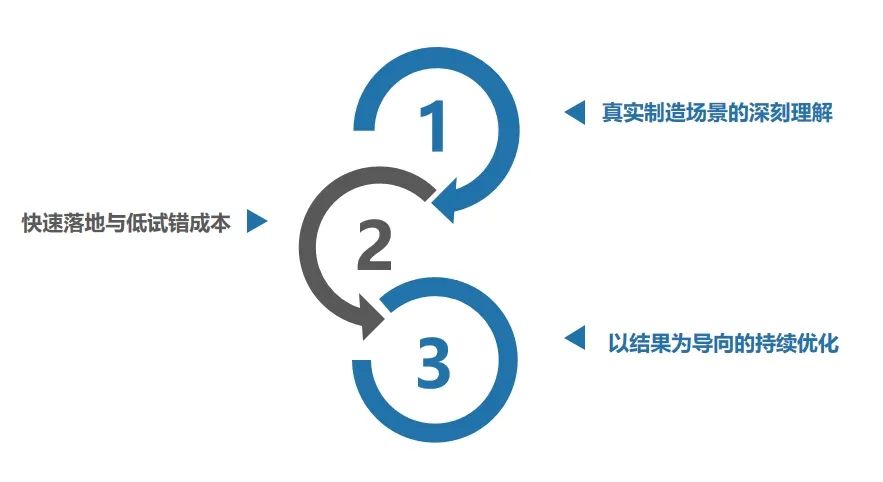
1. Deep Understanding of Real Manufacturing Scenarios
Huipai APS starts from the real-world production scenarios of manufacturing enterprises, fully considering the actual conditions in data collection, resource allocation, and process execution. For example:
(1) Addressing the common issue of order changes, Huipai APS offers flexible dynamic scheduling capabilities, allowing efficient plan adjustments without needing fully precise data.
(2) Under limited production resources, the system can balance priorities to find a relatively satisfactory scheduling solution, helping enterprises respond quickly to changes.
2. Rapid Implementation and Low Trial-and-Error Costs
Rather than pursuing theoretical "perfection," Huipai APS focuses on the quick implementation and practicality of solutions:
(1) The system is designed to be simple and intuitive, allowing enterprises to apply it directly without large-scale modifications to existing processes.
(2) Aligned with lean production principles, it offers a gradual optimization mechanism. Enterprises can start with pilot business lines or existing production data, making incremental adjustments during actual use, avoiding the dilemma of being unable to implement due to incomplete data, and reducing the risk of a one-time large-scale rollout.
3. Result-Oriented Continuous Improvement
Huipai APS does not stop at a "satisfactory solution." Instead, it continuously collects implementation feedback to help enterprises optimize production processes, moving toward a more efficient and precise "optimal solution." This dynamic adjustment mechanism ensures both rapid initial implementation and long-term continuous improvement.
Conclusion
Amid the surging wave of digital transformation in manufacturing, various APS systems have their own strengths. Huipai APS, born from Alps Alpine Group, with its profound understanding of manufacturing business processes, pragmatic and realistic attitude, and exceptional flexibility and adaptability, stands as the ideal choice for enterprises seeking and implementing the "most satisfactory" supply chain resource planning solution.
Huipai APS not only provides efficient scheduling and resource optimization functions but also ensures smooth implementation through continuous companion services, truly making customers feel: "Choosing Huipai means choosing satisfaction."