

 Products & Services



 400 676 5650
In the rapid surge of Industry 4.0, technological innovations are constantly challenging traditional management methods. Among these, Lean Production, as a shining gem in manufacturing, has long been regarded as the golden key to improving the production efficiency of smart factories, reducing costs, and ensuring product quality. However, in today's era of rapidly advancing digital technology, some have begun to question: Has Lean Production become outdated? Can it still maintain its unique charm and value in this transformative age?
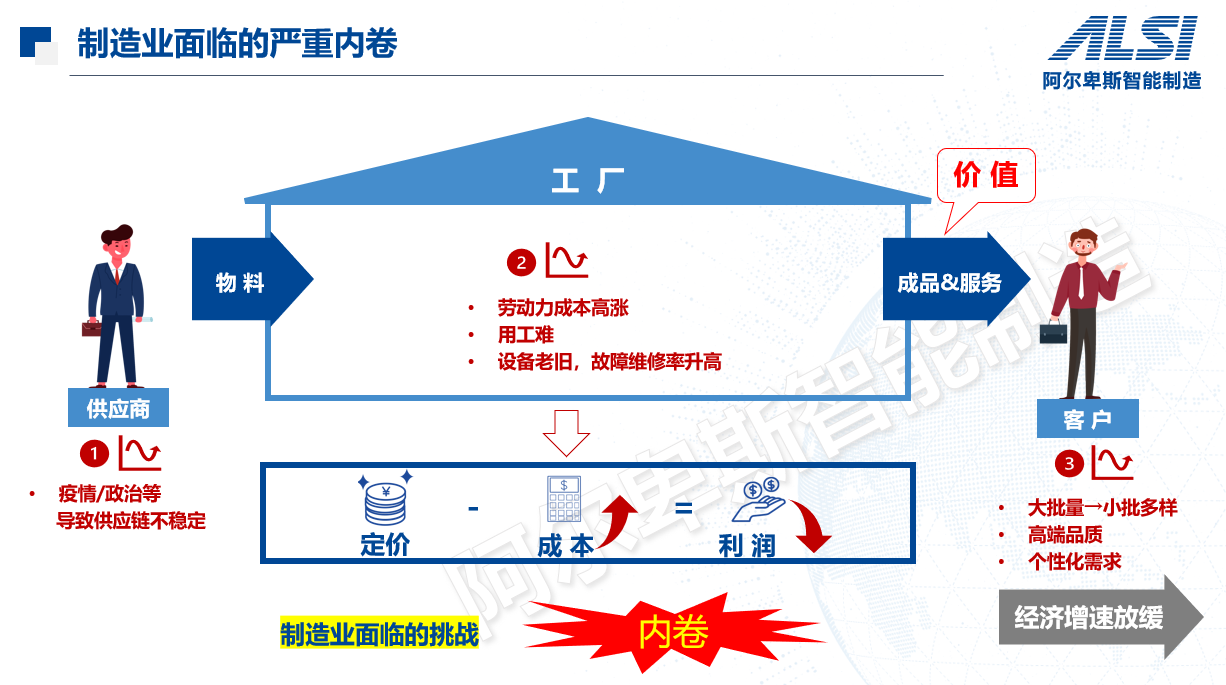
In fact, this skepticism is not unfounded. As manufacturing undergoes transformation and upgrading—especially with the rise of small-batch, multi-variety, customized production—the limitations of traditional lean management tools have gradually emerged in certain areas. Yet, we should not hastily dismiss the core value of Lean Production; instead, we should consider how to combine it with modern technology to adapt to the new production environment.
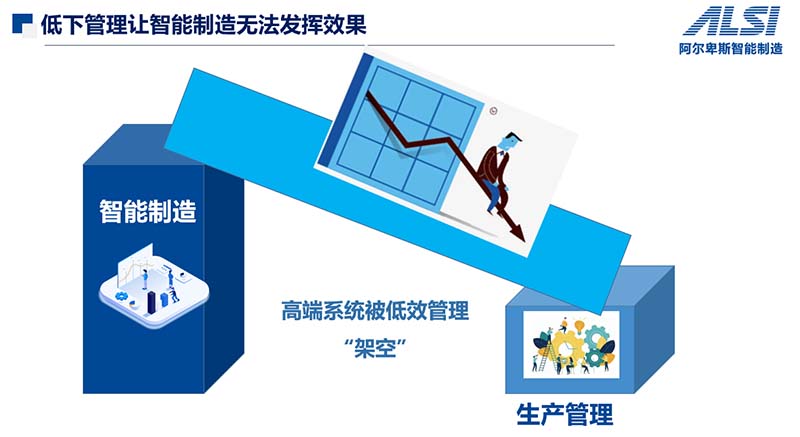
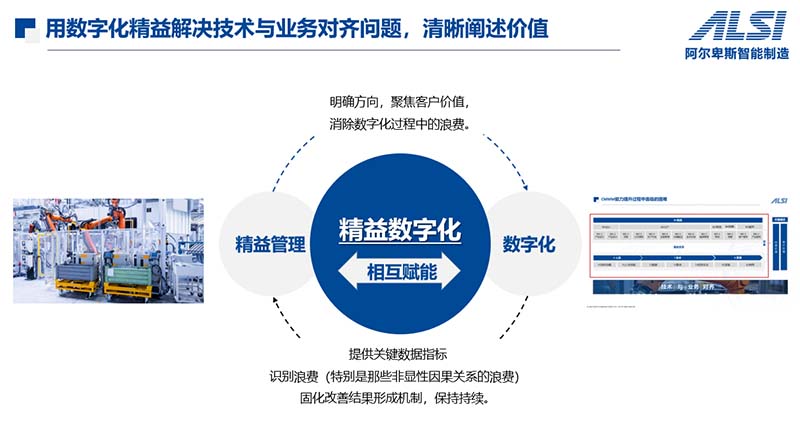
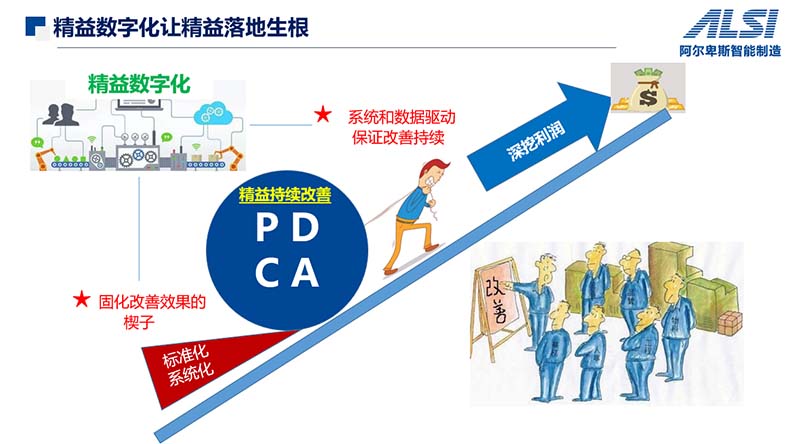
It is precisely against this backdrop that Lean Digitalization has emerged. It is not merely a fusion of Lean Production and digital technology, but a profound innovation and expansion of the Lean Production philosophy. By integrating the core principles of Lean Production with digital technologies, Lean Digitalization systems bring unprecedented opportunities and challenges to manufacturing.
Next, let us delve into the concept of Lean Digitalization and its importance, analyzing why these two elements must be combined to form a Lean Digitalization system, and how it can help manufacturing address new challenges. Join us on this journey of manufacturing integration and innovation, exploring the boundless possibilities brought by Lean Digitalization.
I. Is Lean Obsolete?
In the fast-changing manufacturing landscape, traditional management methods often face significant challenges. Among them, Lean Production—a time-honored and highly effective production management approach—has sparked widespread discussion within the industry about whether its position in modern manufacturing remains solid.
(1) Achieved Remarkable Results in the Last Century
Looking back at the 1973 oil crisis, it was precisely this crisis that gave birth to the Lean Production philosophy. At that time, Japan's automotive industry faced immense survival pressure, yet Toyota achieved great success in adversity by adopting Lean Production. The core of this philosophy includes Just-in-Time production, Total Quality Management, Concurrent Engineering, collaborative teamwork, and an integrated supply chain. The practice of these principles not only improved production efficiency but also ensured product quality, enabling Toyota and its followers to secure a prominent position in the global automotive market.
Entering the 20th century, manufacturers worldwide widely emulated and adopted Lean thinking, making it a global trend. Whether in automotive, machinery, or electronics manufacturing, the influence of Lean Production could be seen. This philosophy made significant contributions to enhancing efficiency and quality, becoming an indispensable part of modern manufacturing.
(2) Many Modern Tools Face Breakthrough Challenges
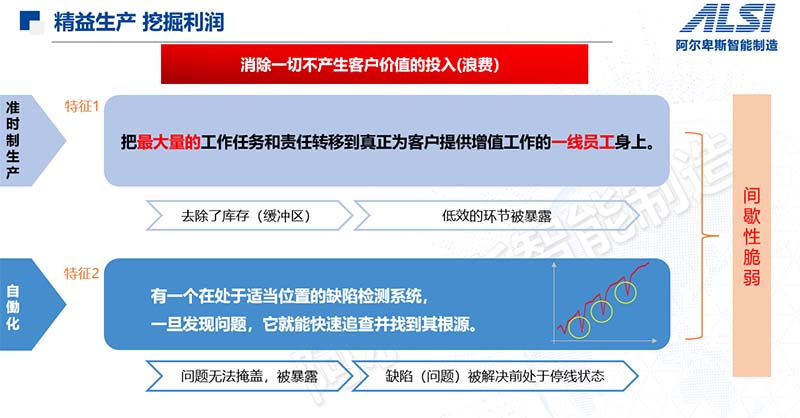
However, with the continuous evolution of manufacturing, traditional Lean management tools seem unable to adapt to the new production environment. In the new era of small-batch, multi-variety, customized production, companies face not only the challenge of improving production efficiency but also the need to meet personalized demands. In this context, the effectiveness of traditional Lean tools such as on-site 5S, Kanban, and A3 reports has gradually diminished, making it difficult for them to play a substantial role in the ever-advancing landscape of modern manufacturing management.
Faced with this dilemma, we cannot help but ask: Is Lean obsolete?
The answer is no. While traditional Lean tools may not fully adapt to the needs of modern manufacturing in certain aspects, the core idea of Lean Production—eliminating waste and improving efficiency—retains immense value. To address the challenges of modern manufacturing, we need to integrate Lean Production with digital technology, forming a Lean Digitalization system.