

 Products & Services



 400 676 5650
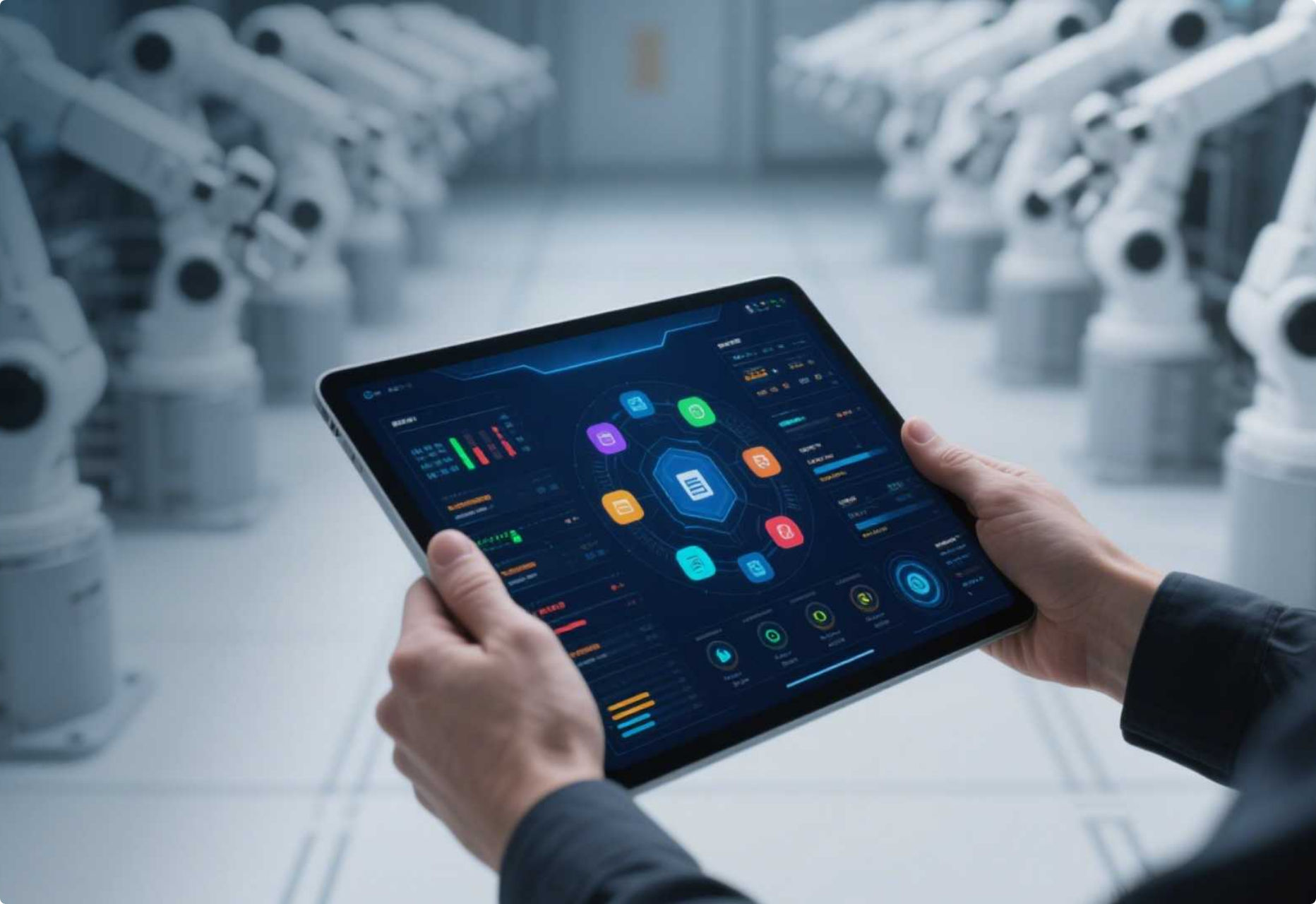
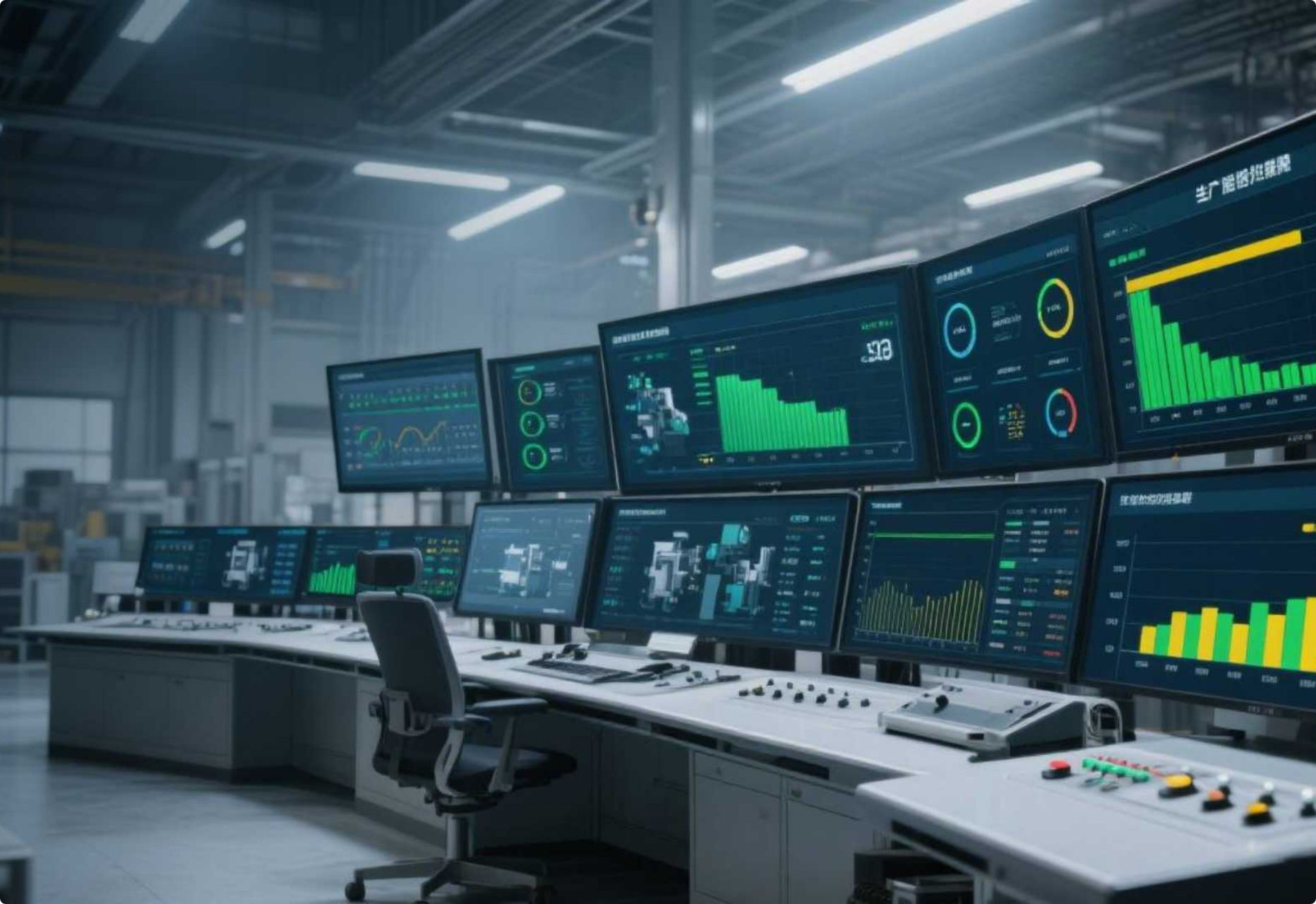
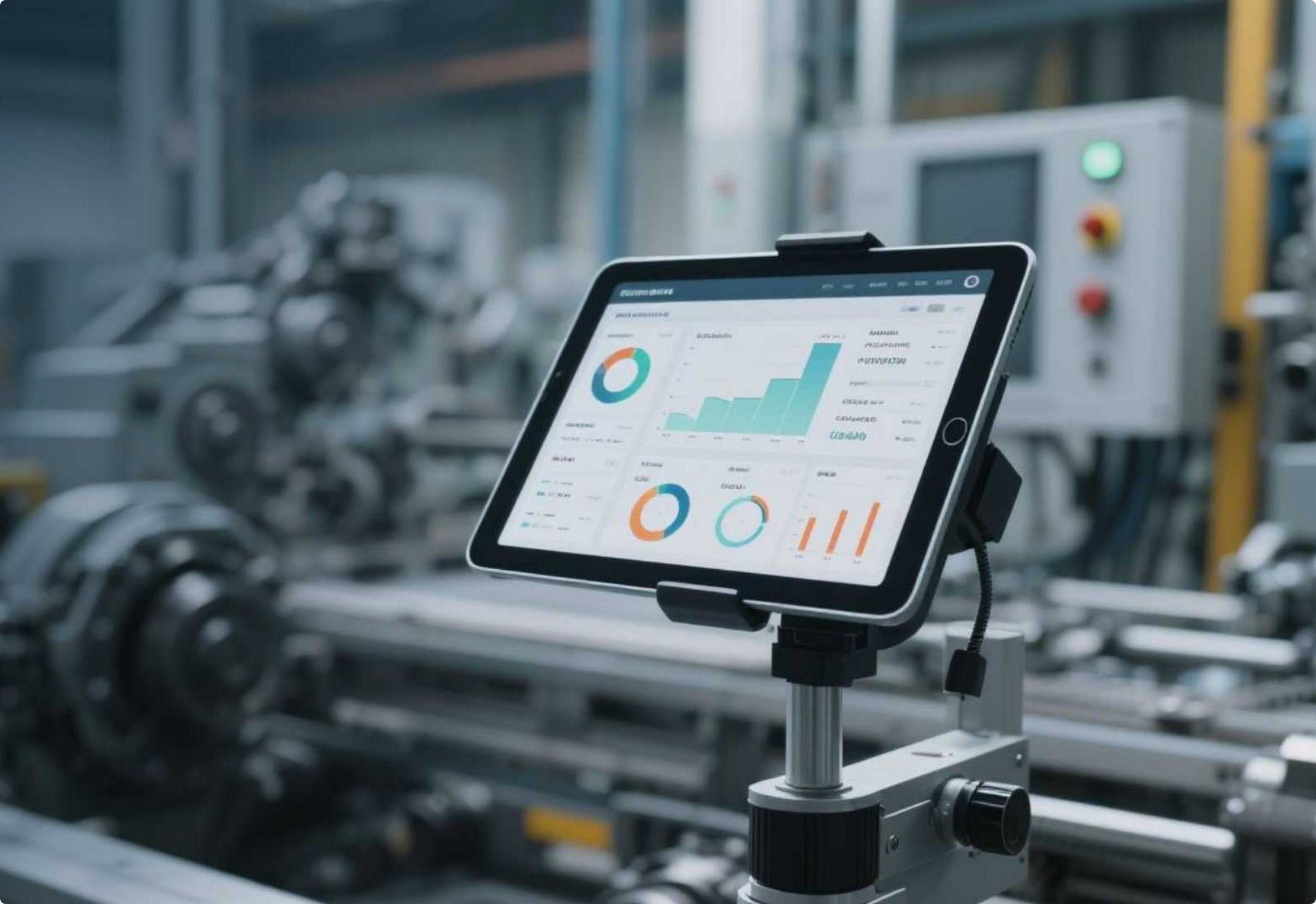
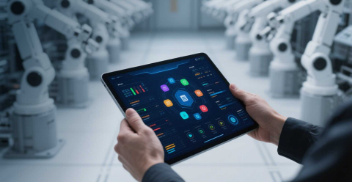
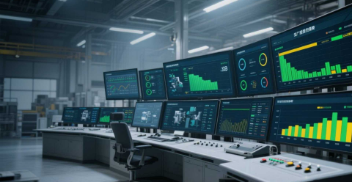
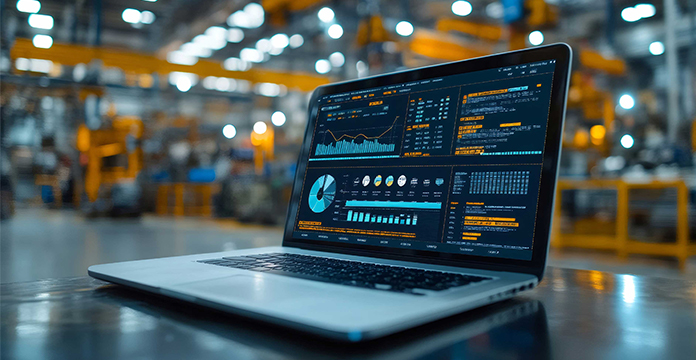
Smart factories need to let data drive decision-making, as data provides more objective, accurate, and real-time information support, helping optimize production processes, improve production efficiency, and enhance product quality. By collecting, monitoring, analyzing, and mining data from the production process, smart factories can gain real-time insights into various parameters and indicators, including equipment operating status, raw material consumption, and product quality levels, enabling timely detection and resolution of issues to optimize efficiency and quality.
Furthermore, by establishing data models and algorithms, smart factories can leverage data to predict trends in the production process, providing a scientific basis for production decisions. For example, historical data can be used to forecast equipment failure rates and maintenance times, thereby enabling rational maintenance planning; or data analysis can optimize supply chain management to avoid inventory overstock or material shortages. Therefore, letting data drive decisions helps smart factories operate more efficiently, improve productivity and product quality, and reduce costs and risks.
Alps System Integration (Dalian) Co., Ltd., drawing on over 30 years of experience on the manufacturing floor, provides tailored smart factory solutions for manufacturing enterprises—letting equipment speak through data and enabling companies to make data-driven decisions, helping more manufacturers step into the realm of smart factories.
Click to view: Why are the changes brought by smart factories disruptive?