

 Products & Services



 400 676 5650
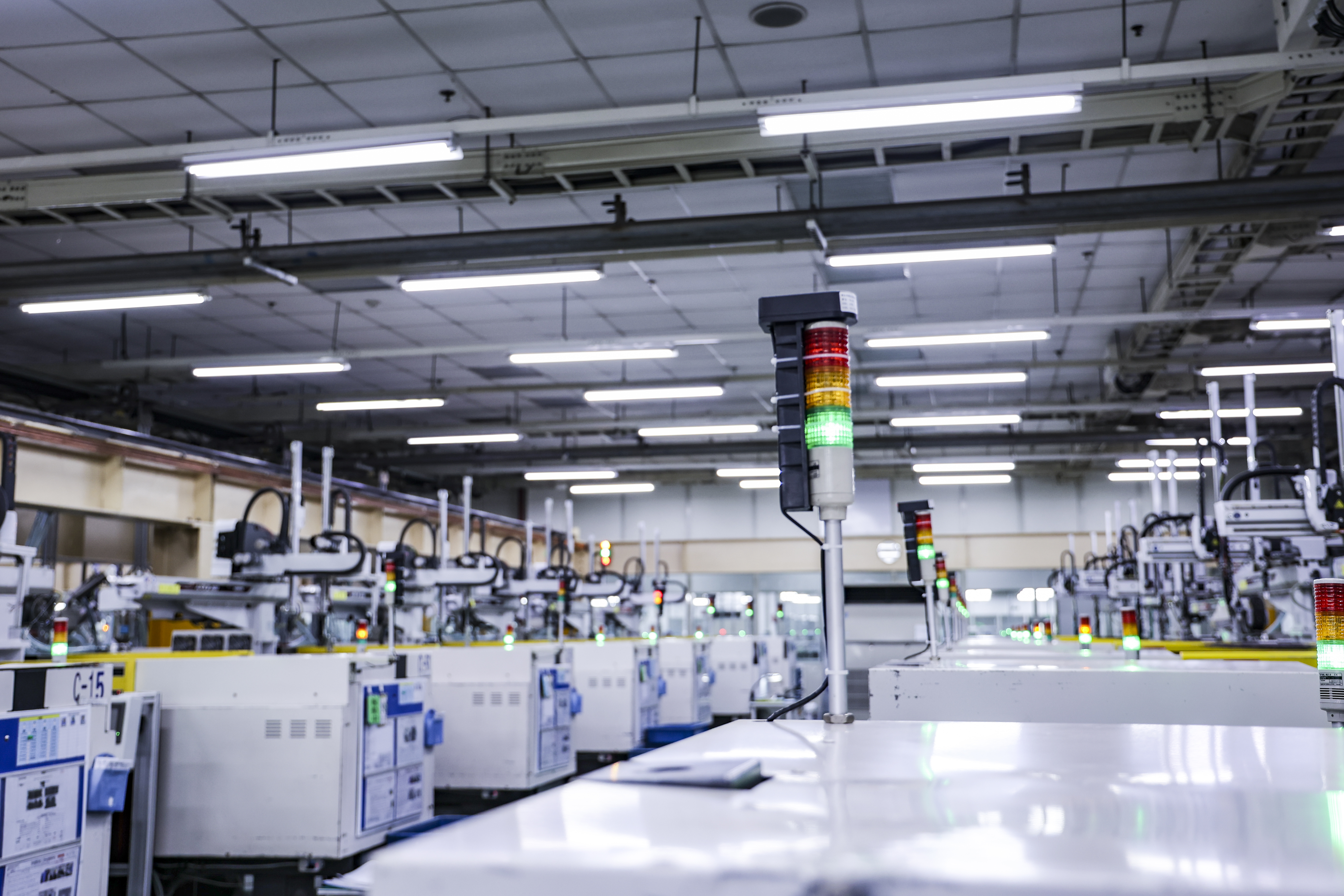
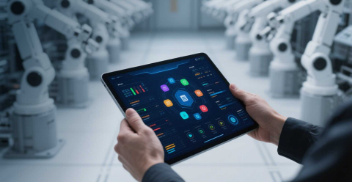
Smart factories, while pursuing production efficiency and profitability, should also prioritize sustainable development. Currently, many smart factories have adopted high-tech means such as digital technology, big data, the Internet of Things (IoT), and artificial intelligence (AI) to optimize production processes, reduce resource consumption and waste emissions, and achieve the goals of sustainable development.
For instance, Siemens' digital factory leverages digital technology to achieve comprehensive automation of production processes, energy conservation and emission reduction, improved production efficiency, and sustainable development. General Electric's smart factory utilizes big data and AI technologies to optimize and automate production processes, reducing resource consumption and waste emissions.
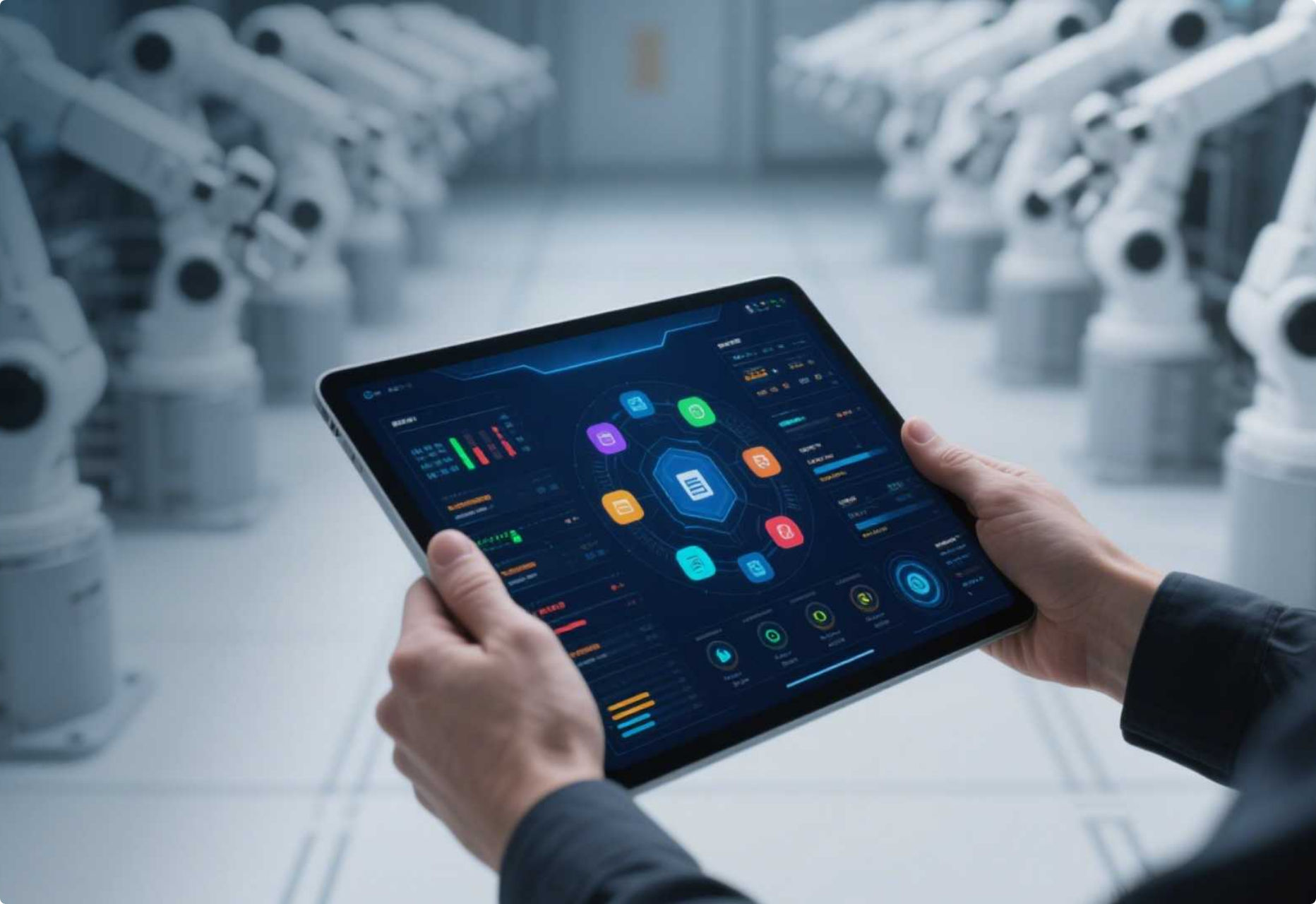
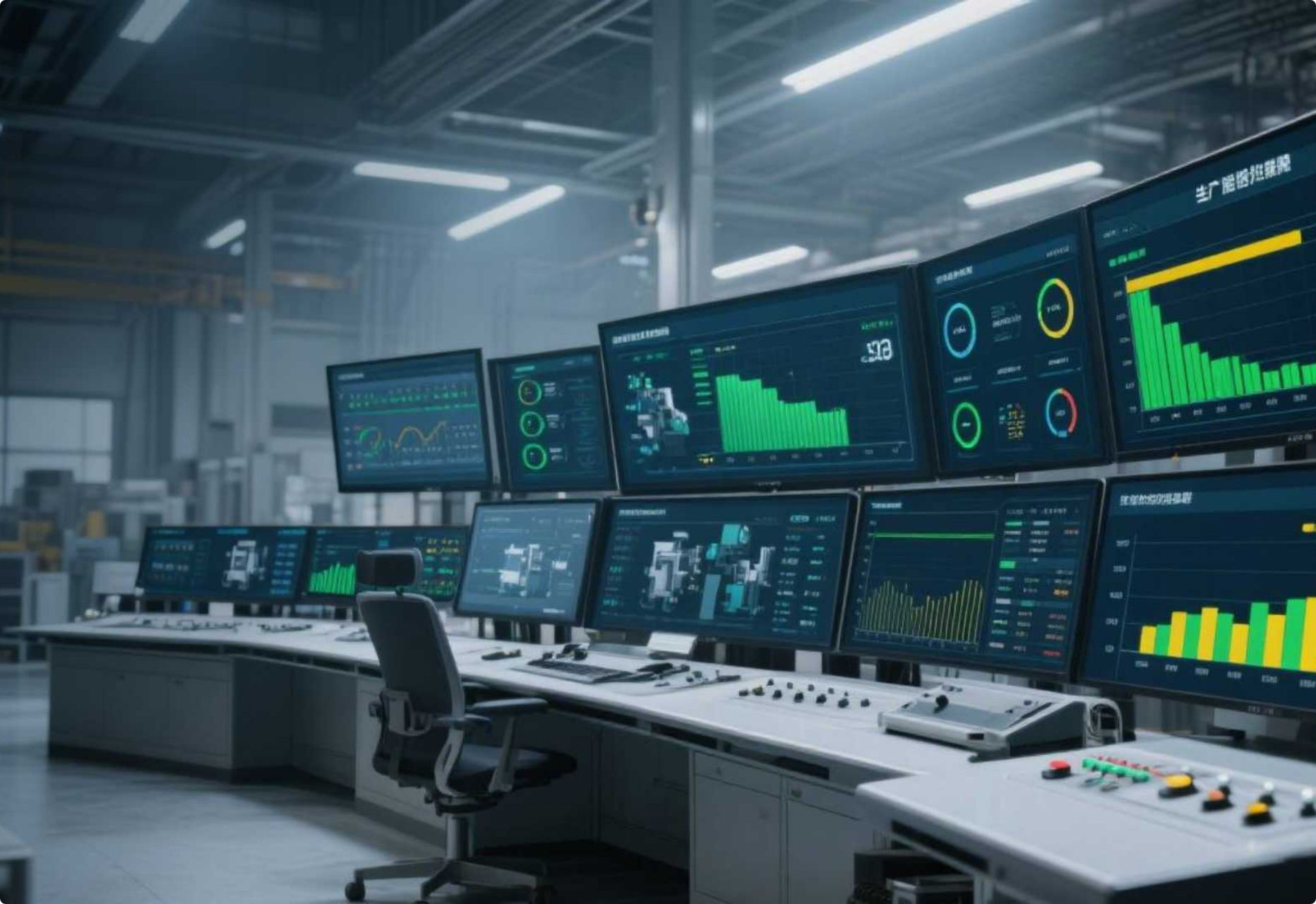
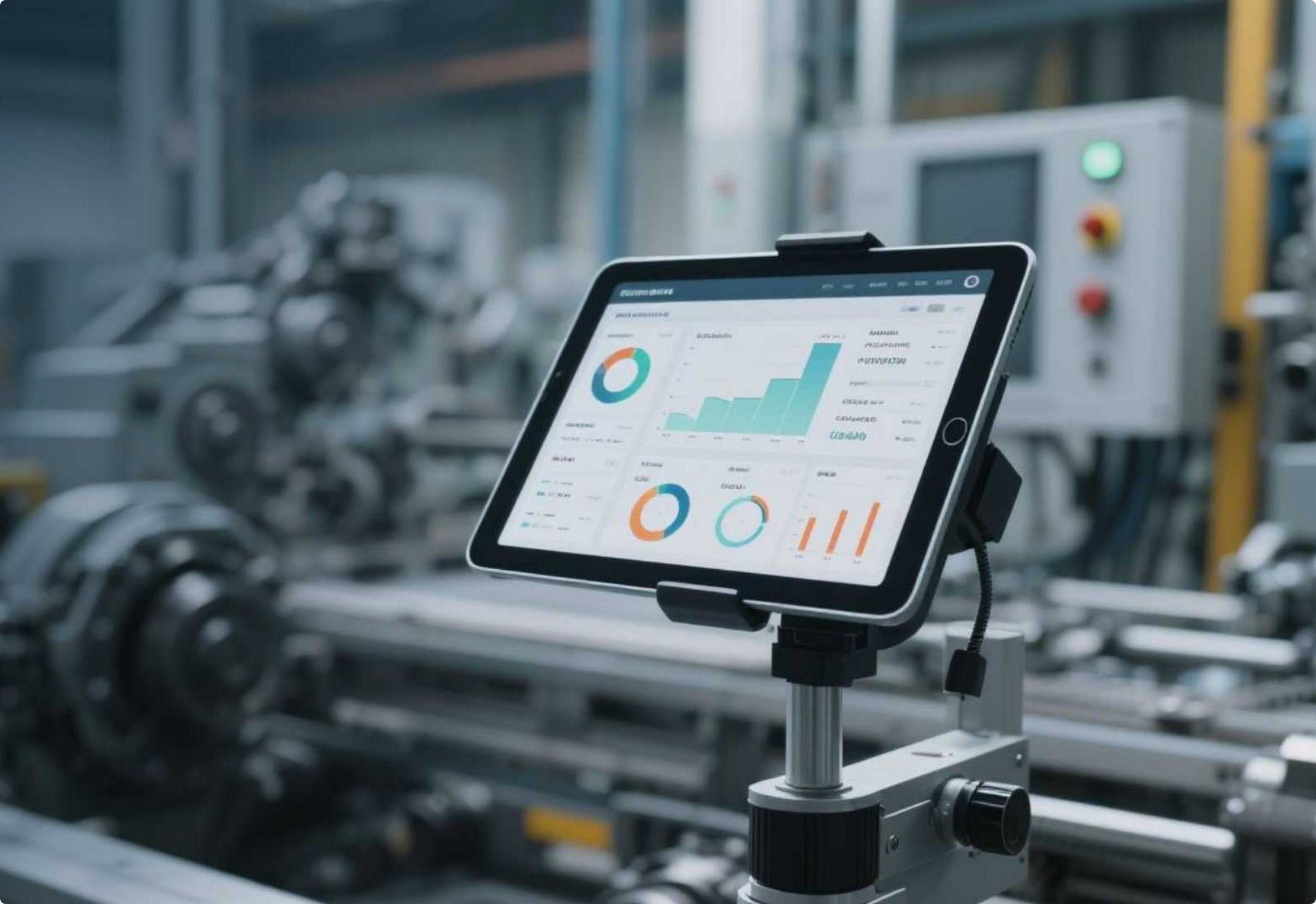
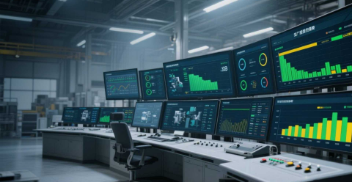
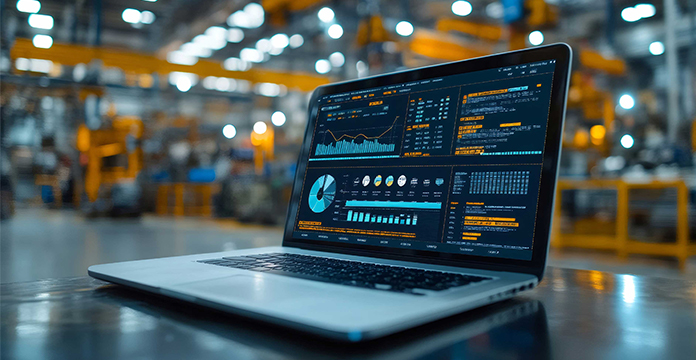
The energy consumption management system developed by Alps System Integration (Dalian) Co., Ltd. is one of the industrial energy intelligent management solutions specifically designed for smart factories. It features real-time collection, storage, analysis, visualization, and pre-alarming of energy consumption data, making energy consumption visible and information-based. This system helps factories enhance the level of refined energy management, improve energy efficiency, and assists users in reducing costs and risks, thereby achieving energy savings and efficiency gains.
Click to view: How Does Lean Production Help Build Smart Factories?