

 Products & Services




 400 676 5650
Time:2026-02-27
When AI is capable of independently making intelligent supply chain scheduling decisions, managers in the auto parts industry inevitably face a dilemma: should they trust AI's data analysis or stick with their years of industry experience? The supply chain in the auto parts industry is marked by distinct complexity, where multi-factory collaborative production, parallel operation of multiple production lines, and coordinated supply from multiple suppliers tightly interconnect every link. A fluctuation at any node—whether it's a supplier delivery delay, a production line equipment failure, or a sudden shift in market demand—can directly impact order delivery timelines, increase production costs, or reduce inventory turnover efficiency, triggering a chain reaction.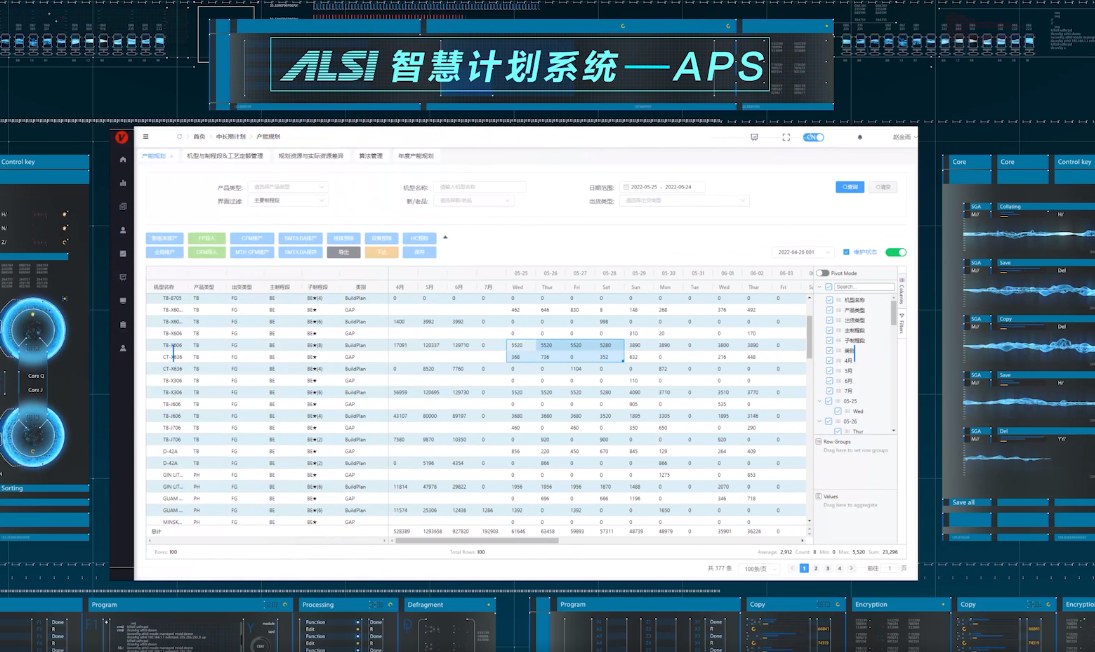
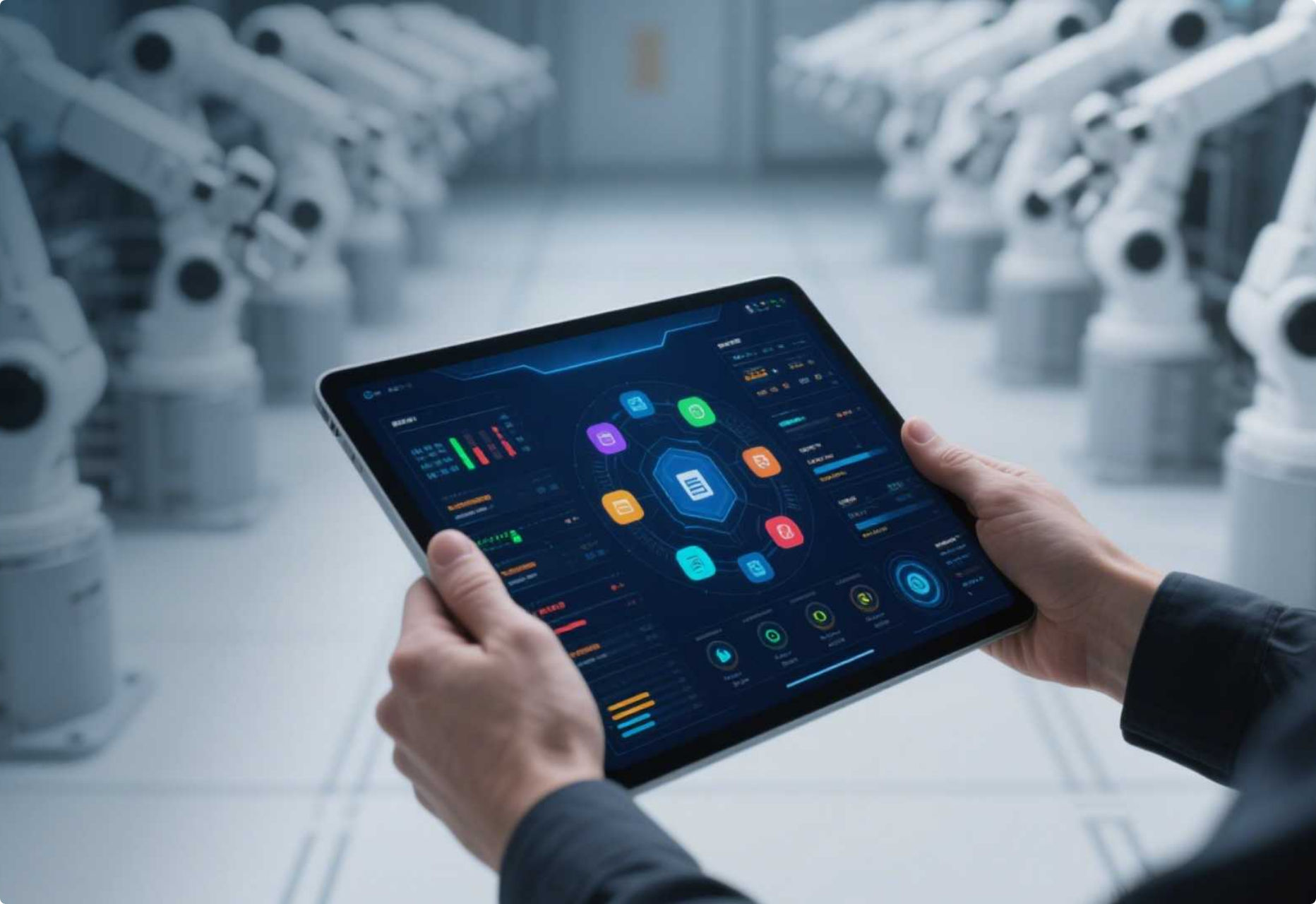
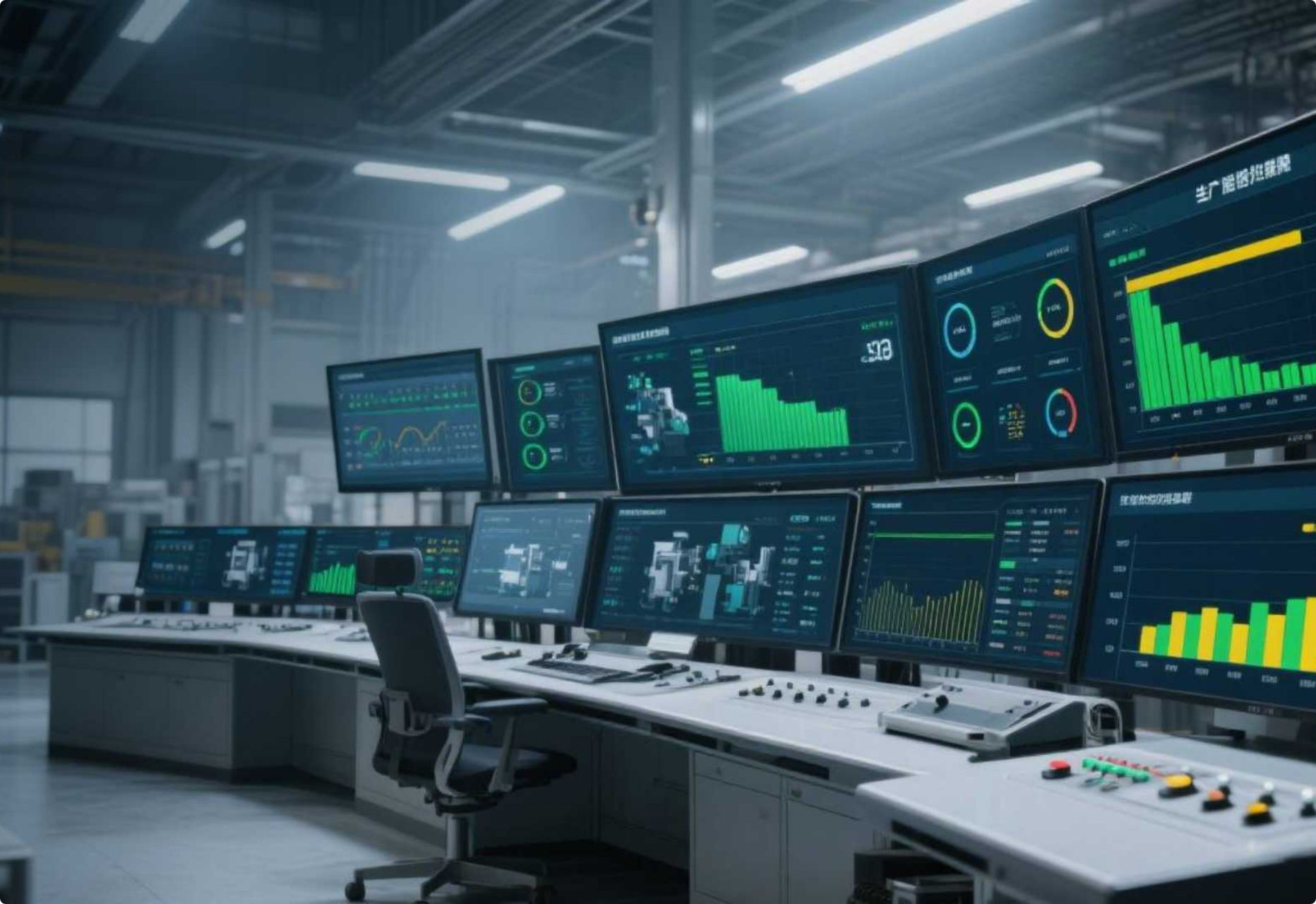
Against this industry backdrop, the core competitiveness of auto parts enterprises is no longer limited to the execution of production plans but hinges more on the foresight and agility of decision-making. Today, we can clearly observe an industry trend: more and more auto parts enterprises are turning their attention to intelligent decision-making, gradually moving away from over-reliance on personal experience and instead relying on data-driven decisions. This ensures that every scheduling move and every adjustment is backed by solid data. Previously, AI-driven intelligent production scheduling merely served as a data analysis tool in supply chain management. Now, it has evolved into a core component that aids judgment and optimizes strategies, deeply integrated into the production planning system and becoming an indispensable pillar in the decision-making process.
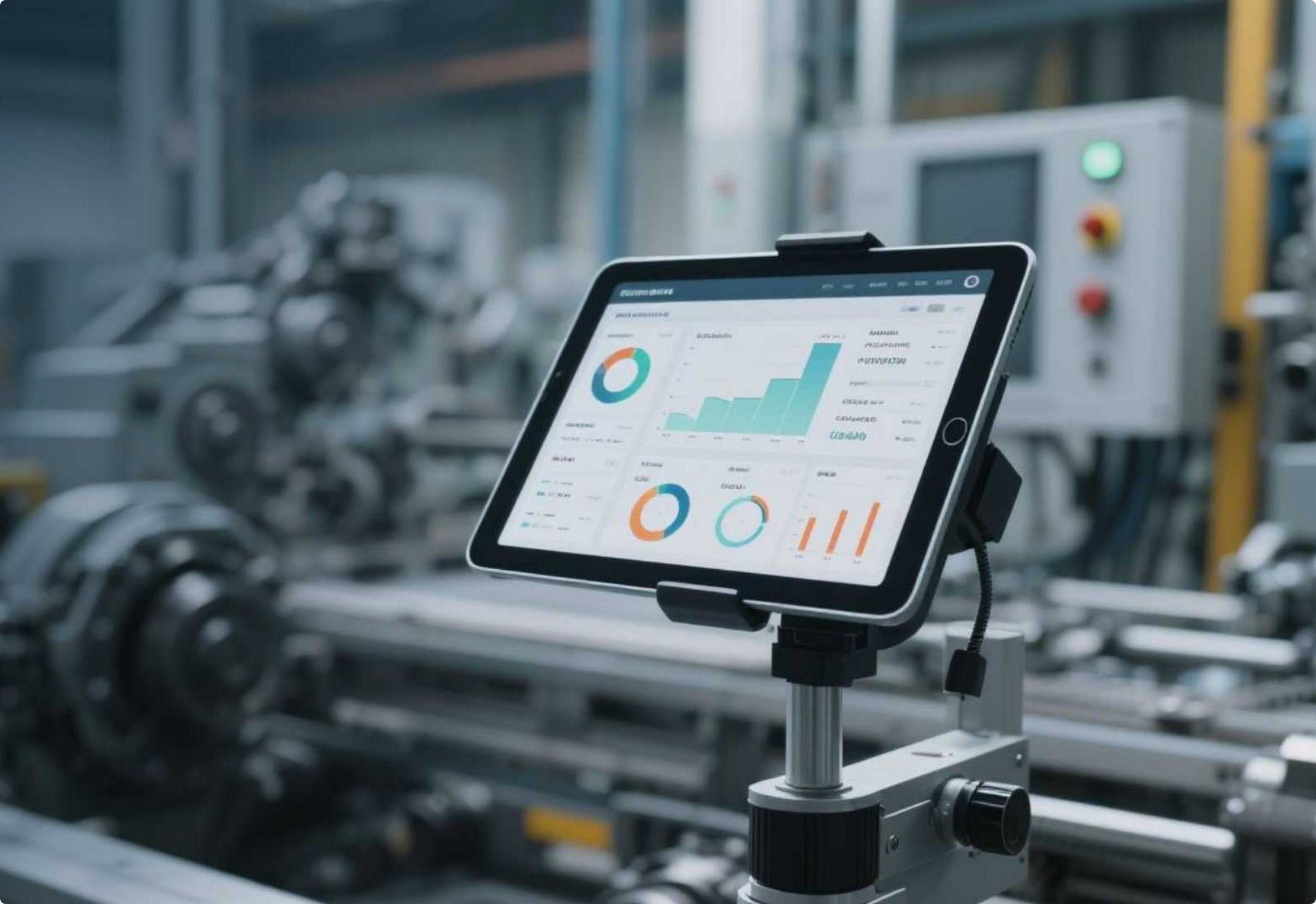
The core significance of AI-driven intelligent production scheduling for the auto parts supply chain lies in helping enterprises achieve proactive prediction and rapid response, identifying potential issues earlier, making reasonable adjustments more quickly, and avoiding reactive "firefighting." Before scheduling begins, AI-driven intelligent scheduling uses algorithmic analysis to accurately pinpoint bottleneck processes such as cold heading and heat treatment, proactively planning resource allocation to prevent capacity waste. When market demand shifts, OEMs place rush orders, or suppliers face fulfillment risks, it can quickly simulate the impact of different adjustment scenarios, precisely calculate delivery delay times and additional cost increments, and help planning teams find the optimal balance between delivery timeliness and production costs, enabling scientifically sound trade-offs.
This data-centric intelligent decision-making model is gradually reshaping the traditional logic of supply chain management in the auto parts industry, shifting enterprises from "post-event response" to "pre-event prevention." It allows for preemptive risk assessment before issues arise and enables more practical choices at critical decision points.
It’s important to clarify that the core of AI-driven intelligent production scheduling is not to replace human managers but to provide more efficient, precise, and evidence-based support for decision-making, freeing managers' judgment from the confines of experience and making it faster, more accurate, and more confident. When the production planning system of an auto parts enterprise, empowered by intelligent decision-making, gains the ability to continuously optimize and self-adjust, it can more calmly address common industry challenges such as order fluctuations and capacity changes. Whether facing urgent orders from OEMs or sudden supply chain anomalies, it can make more assured decisions and safeguard profit margins.
Considering the current digital transformation trend in the auto parts industry and the application status of AI-driven intelligent production scheduling, a thought-provoking question arises for every industry practitioner: Over the next three years, which link in the entire auto parts supply chain process deserves the most focused investment in intelligent decision-making?