

 Products & Services





 400 676 5650
Time:2026-02-12
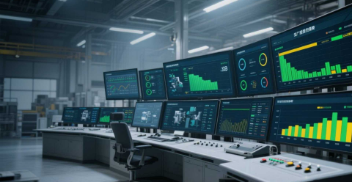
If we consider where the APS system is headed in the future, the answer is quite clear when we look at current technological trends: it will become increasingly intelligent, more aligned with the actual needs of enterprises, and will closely follow the pace of smart manufacturing upgrades without falling behind.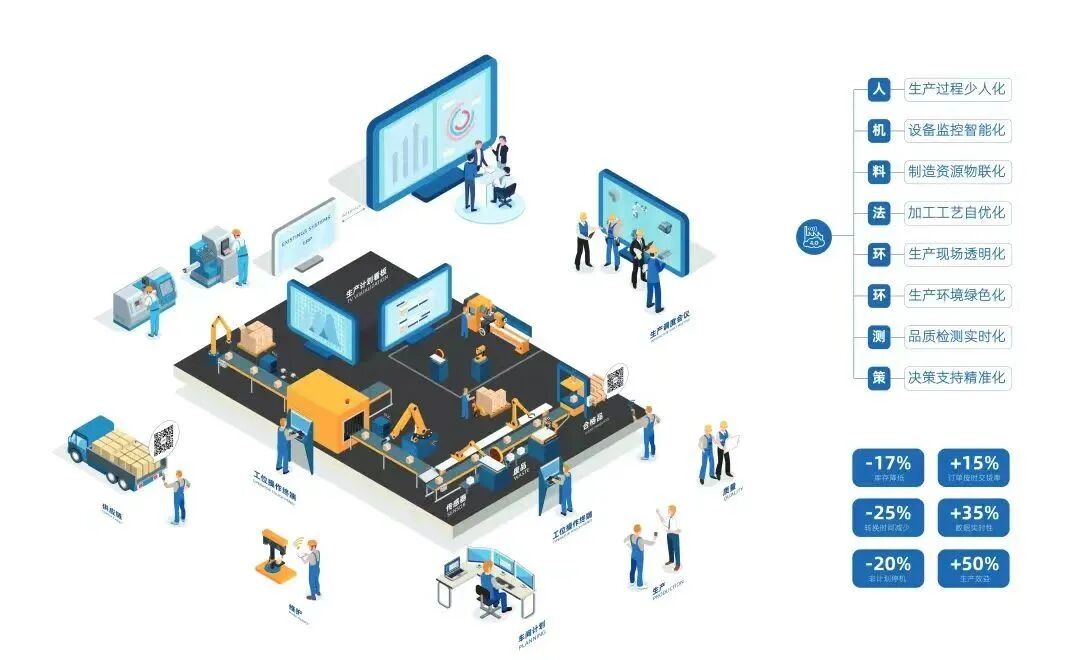
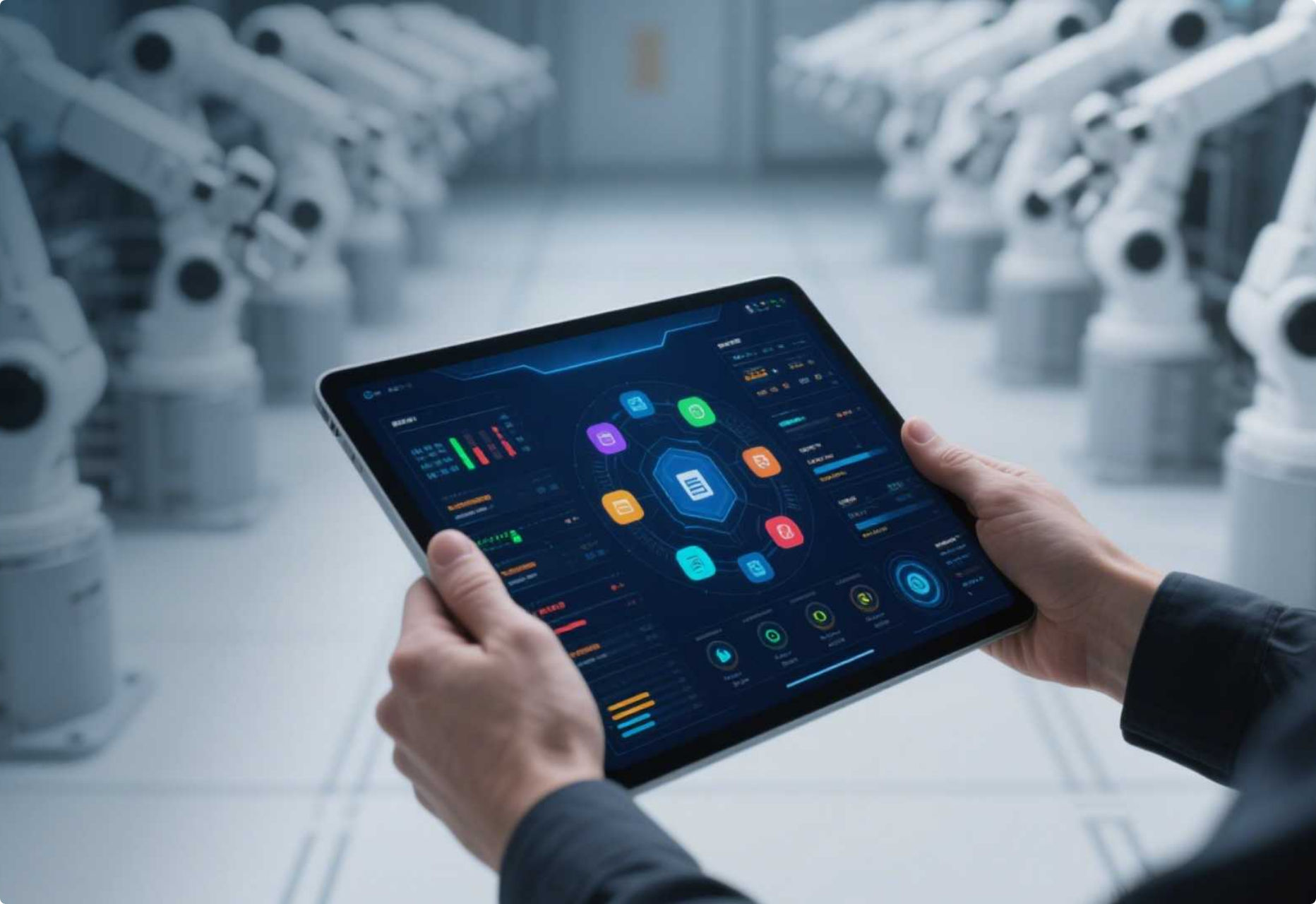
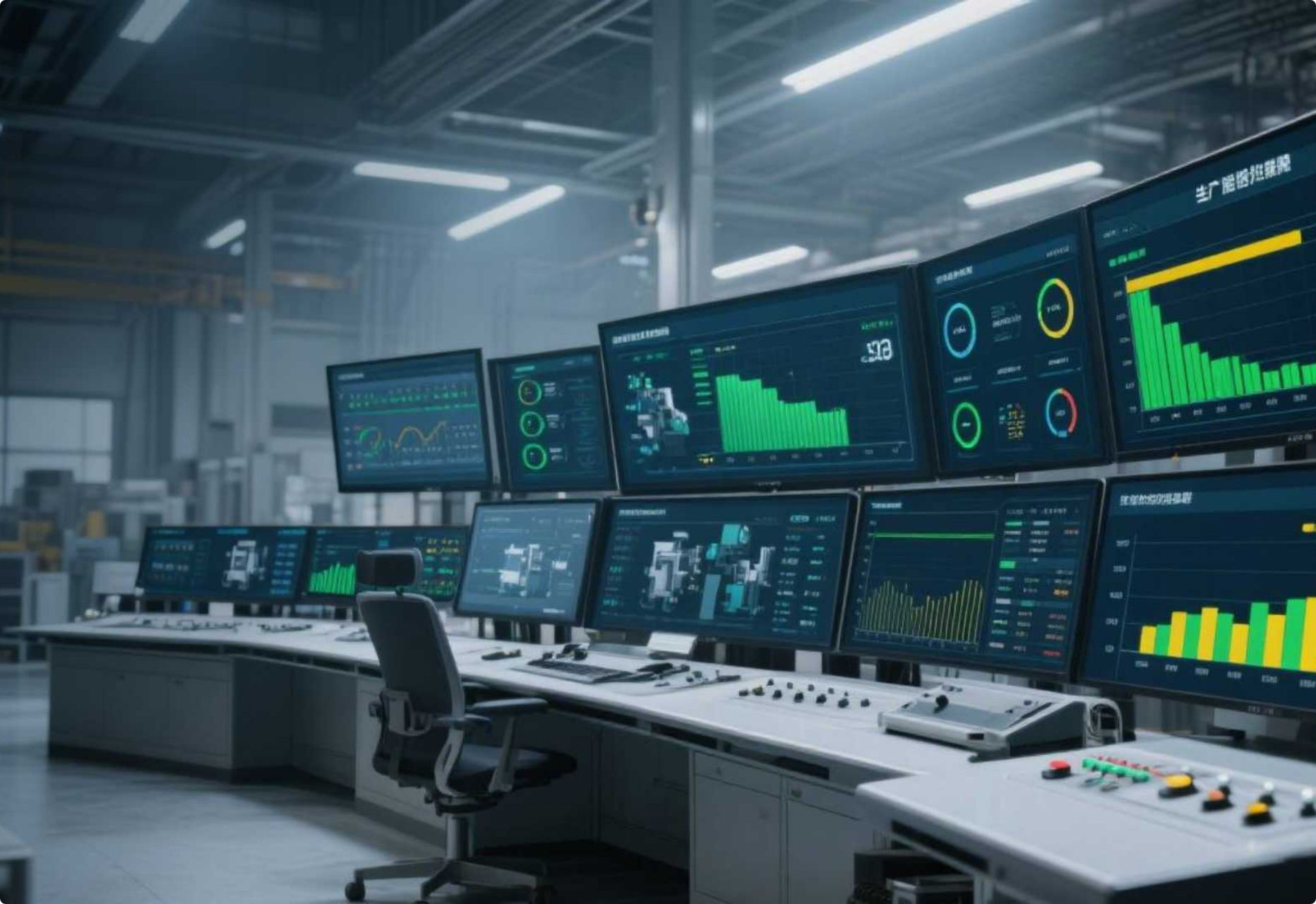
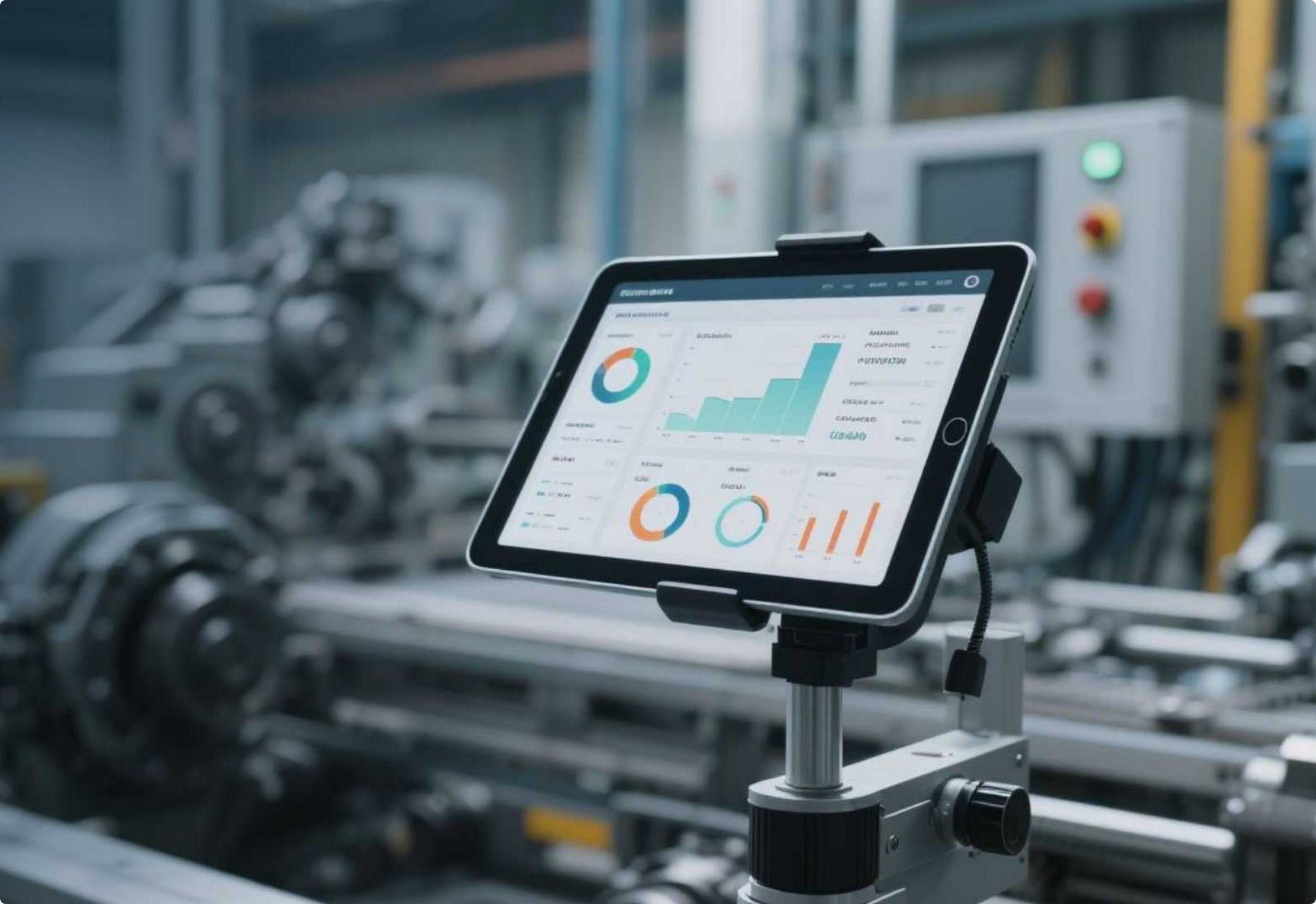
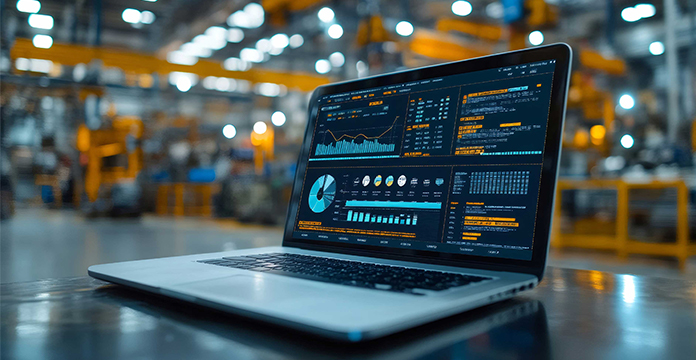
First, the APS system will deeply integrate AI technology. It will no longer simply follow rules to arrange production mechanically; instead, it will autonomously learn from production data, detect anomalies in advance, and adjust production plans proactively without constant human intervention. Furthermore, the APS system will team up with the Internet of Things (IoT) and digital twins to synchronize real-time updates on equipment and material dynamics, creating a virtual production mirror for more precise and feasible scheduling. Additionally, the APS system will move toward an integrated architecture, breaking down barriers with systems like ERP and MES to enable collaborative coordination across the entire process from order receipt to delivery, eliminating the need to switch between multiple systems for data verification.
In the future, the APS system will also become more tailored to real-world business conditions, meeting enterprise needs with simpler installation and lower costs. The key to the future development of the APS system lies in being smarter, more collaborative, and more practical.