


 Products & Services









 400 676 5650
Time:2026-01-30
Supply Chain Planning and Scheduling aims to achieve overall optimization. The key lies in breaking down information silos between different stages and unifying the resource allocation across the entire chain—demand, production, logistics, and inventory. The first step is to build a shared data platform that integrates data from multiple sources: point-of-sale demand, supplier capacity, workshop production capabilities, and inventory fluctuations. This ensures all departments access the same information, preventing suboptimal local optimization that undermines overall performance.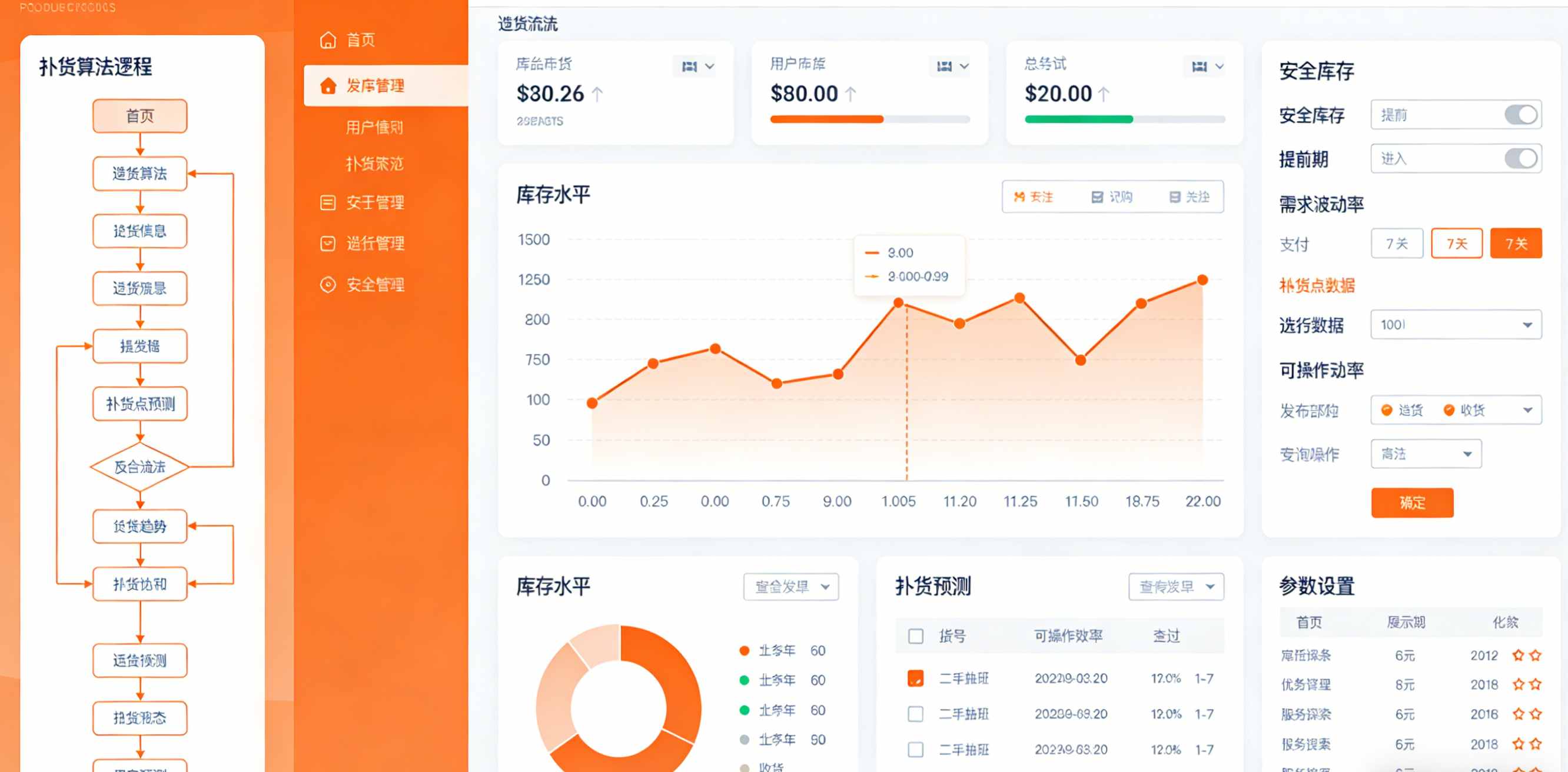
When setting optimization objectives, the overall benefit must be the core focus, while also considering key metrics such as delivery time, production cost, and inventory turnover. No single link should be pursued as the best in isolation. Supply Chain Planning and Scheduling, when arranging production processes, must comprehensively consider the connections between different workshops and procedures, balancing equipment workload and workforce allocation. It should also plan the production rhythm according to logistics transportation cycles to avoid disconnects between production and delivery.
Supply Chain Planning and Scheduling establishes a dynamic adjustment mechanism to promptly synchronize with changes in market demand, equipment breakdowns, delayed material arrivals, and other unforeseen events, swiftly optimizing the scheduling plan. Collaborative optimization should be conducted with upstream and downstream partners: aligning supply flexibility with suppliers and verifying demand forecasts with the sales end. Through the synergistic alignment of the entire chain, the overall efficiency of the supply chain is maximized while achieving optimal cost.