

 Products & Services







 400 676 5650
Time:2026-01-27
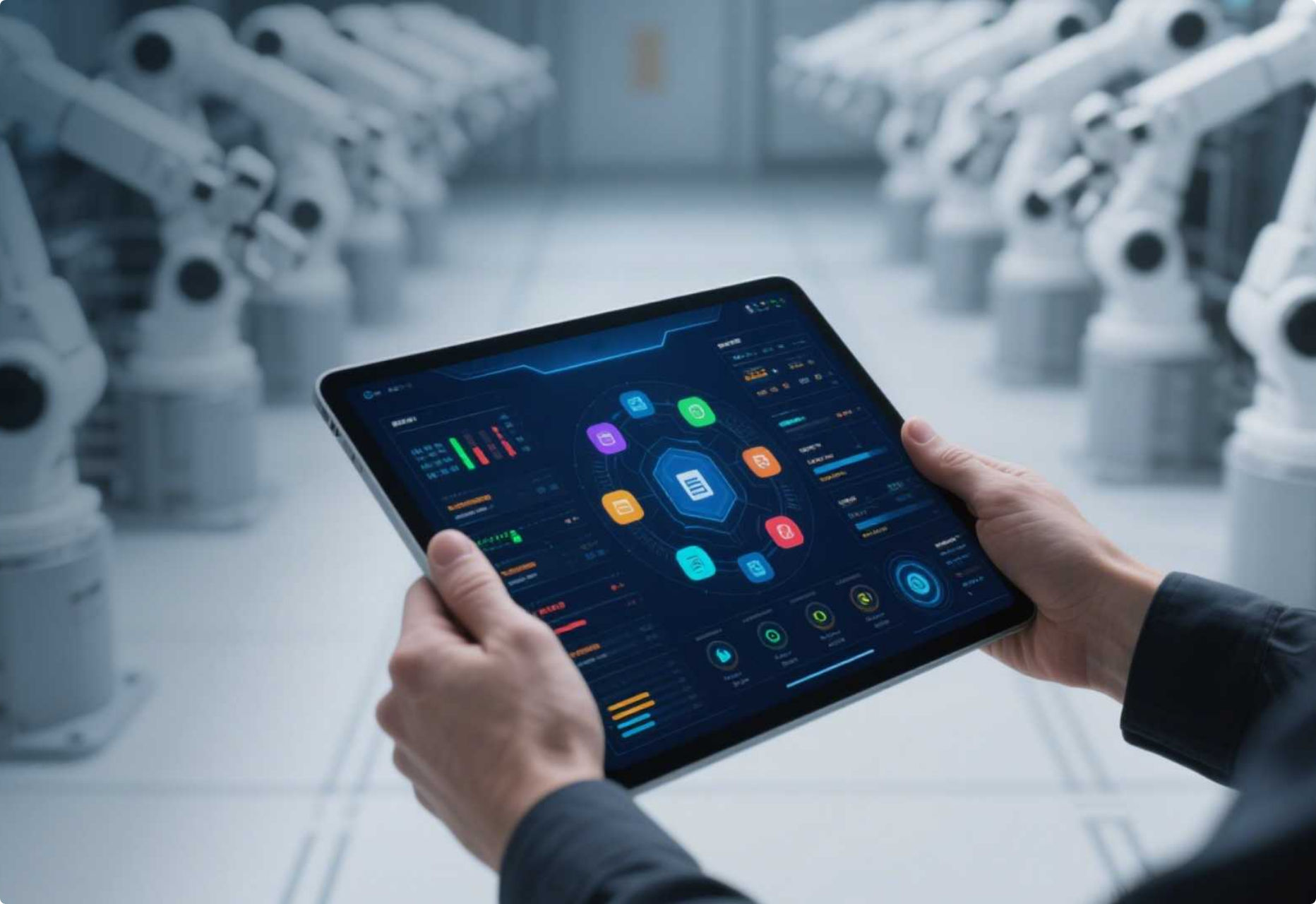
Under the production trend of multi-variety, small-batch manufacturing, traditional scheduling struggles to adapt to complex production constraints and dynamic demands, often leading to capacity waste and delivery delays. As a core tool for digital production management and control, the APS system can break down information silos across all stages, enabling precise and dynamic management of production planning and scheduling. The APS system is data-driven, coordinating multi-dimensional resources such as capacity, materials, and orders to build a fully collaborative production management and control system for enterprises. It effectively addresses the industry pain point of disconnection between planning and execution, becoming a key support for the digital transformation of manufacturing.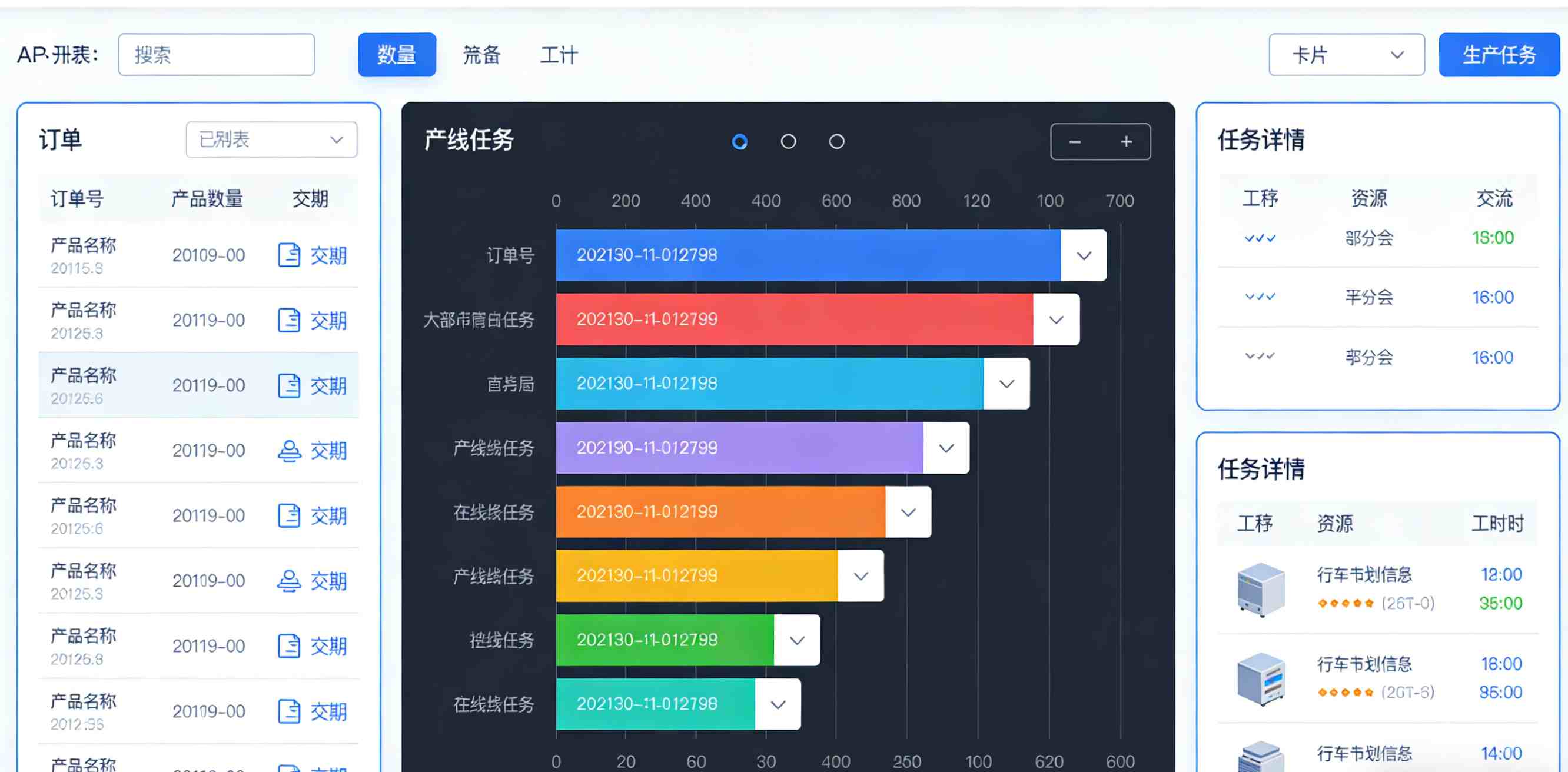
1. Precise Capacity Planning and Load Balancing Function
The APS system can capture real-time data on equipment capacity, manpower allocation, standard operation times, etc., and accurately calculate capacity gaps and surplus capabilities based on order demands. It automatically balances the load rates across workshops and equipment, distributing production tasks rationally to corresponding operations, thus avoiding scenarios where some equipment is overloaded while others are idle. Meanwhile, it reserves reasonable flexible capacity to handle sudden situations such as order adjustments or equipment failures, ensuring production continuity.
2. Intelligent Order Scheduling and Priority Management Function
This function automatically prioritizes order production based on preset rules such as order delivery deadlines, customer tiers, and profit margins. The APS system can break down orders into specific operation tasks, specifying the start time for each batch, process connection points, and delivery cycles. It simultaneously evaluates the impact of rush orders on the original plan and generates the optimal adjustment plan with one click, significantly reducing scheduling time and improving on-time delivery rates.
3. Material Requirement Coordination and Anomaly Warning Function
The APS system can link inventory and procurement data to accurately calculate the material demand quantity, arrival time, and gaps for each production stage, proactively pushing material requirement reminders to the procurement department. It also monitors the entire production process in real time. When anomalies such as material delays, equipment failures, or process delays occur, it immediately triggers warnings and pushes them to responsible personnel, simultaneously providing feasible adjustment suggestions to reduce the impact of anomalies on production.
4. Data Integration and Report Analysis Function
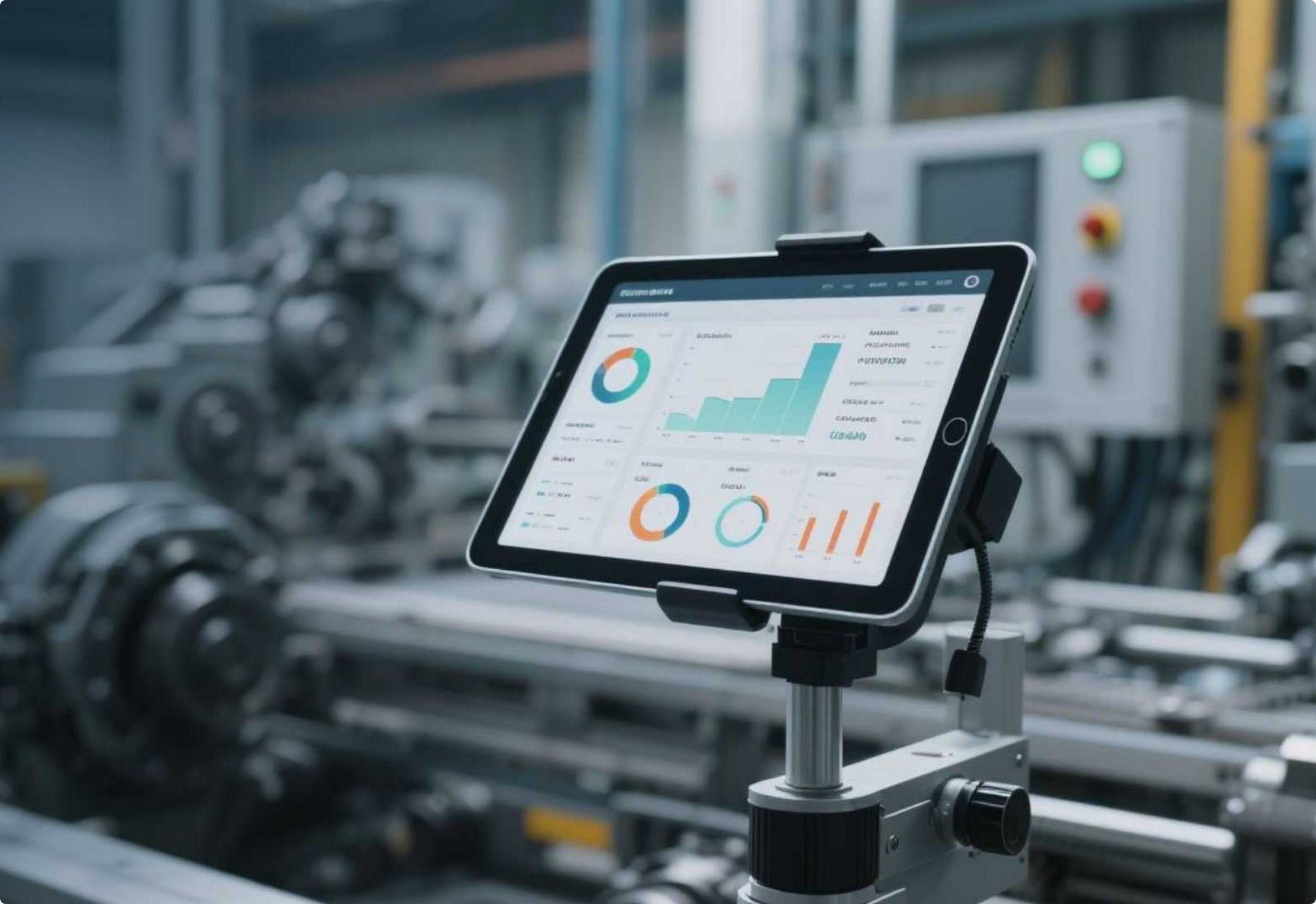
The APS system can deeply integrate with upstream and downstream systems such as ERP and MES, enabling real-time data synchronization and sharing, thus breaking information silos. It can automatically generate core data reports including capacity utilization, order delivery compliance rate, and production cycle time, providing accurate data support for management to optimize capacity planning and adjust production strategies, replacing traditional experience-based decision-making.
Huipai APS Supply Chain Resource Planning and Scheduling Platform precisely meets the above core functional requirements. Leveraging efficient algorithms and lightweight operation design, it can quickly respond to multi-scenario production constraints, achieving integration of planning, scheduling optimization, and dynamic control. It adapts to the production management needs of manufacturing enterprises of different scales and can be implemented with immediate effect without complex deployment.
Through multi-dimensional functional coordination, the APS system achieves visualized and controllable management of the entire production process, helping enterprises reduce costs, increase efficiency, and enhance core competitiveness. The APS system does not rely on manual experience. Driven by data and intelligent algorithms, it can adapt to both large-scale standardized production and complex, variable multi-variety production needs, making it an indispensable management and control tool for modern manufacturing.