

 Products & Services




 400 676 5650
Time:2026-01-07
The production complexity of the equipment manufacturing industry has been steadily rising in tandem with market demands. Product structures have evolved from simple to intricate, customer requirements for delivery times have become increasingly stringent, and the difficulty of production planning and scheduling has correspondingly doubled. In the early days, factories relied entirely on manual ledger books and abacuses, or simple spreadsheets, to calculate and arrange production plans. This approach was slow and error-prone, frequently causing discrepancies between production status and materials, with work orders waiting for materials piling up like mountains. The development process of production planning and scheduling systems exactly mirrors the transformation of manufacturing from rough management to precise control. Production Planning and Scheduling System upgrades have consistently aligned with the actual needs of the industry, ultimately advancing to a new stage of intelligent optimization, providing core support for equipment manufacturing enterprises in solving BOM material readiness challenges and reducing stagnant inventory.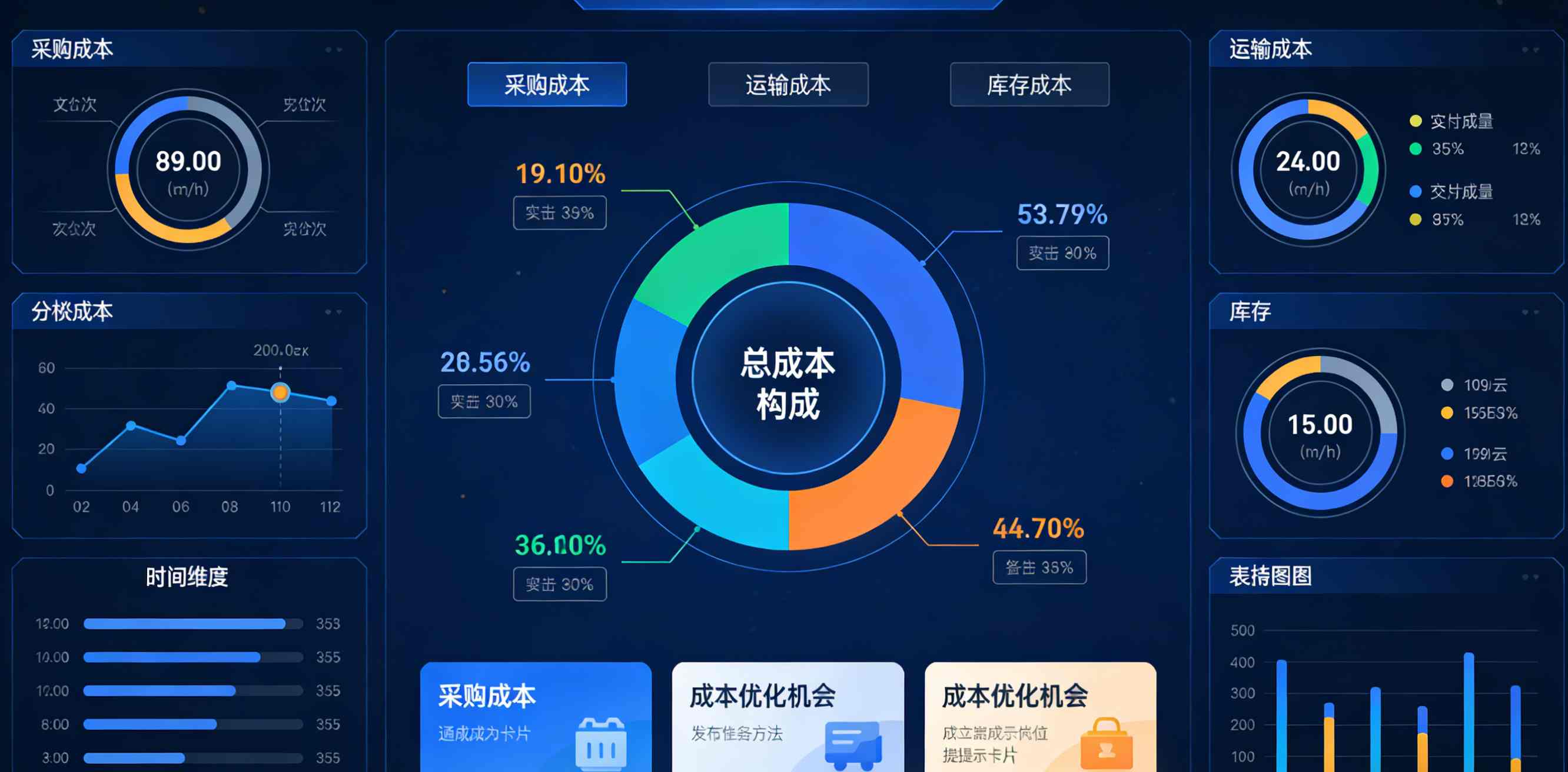
The initial stage of production planning and scheduling systems was entirely manual. At that time, the scale of manufacturing was small, and product structures were simple. Planners relied entirely on their own experience, recording order demands, material inventory, and equipment status, then manually calculating to determine the production sequence and timing. This mode heavily depended on individual expertise, resulting in low efficiency and high error rates. Once order volume increased or material types multiplied, production scheduling plans easily became one-sided — addressing one area while neglecting another. The material completeness rate could not be guaranteed, and work orders waiting for materials alongside idle materials became common, completely unable to meet the demands of large-scale production.
As computer technology gradually advanced, production planning and scheduling systems entered the electronic assistance stage. Simple Excel spreadsheets and basic management software began to serve as tools for arranging production plans. Planners could use spreadsheet formulas for data calculation and statistics, reducing errors compared to pure manual calculation, and slightly improving the efficiency of production schedule planning. However, systems at this stage still lacked intelligent analysis and optimization capabilities, unable to automatically link bill of material structures, material inventory, and equipment production capacity. Production scheduling plans still required manual repeated adjustments. When faced with abrupt changes such as order modifications or material delays, the response speed was sluggish, fundamentally failing to solve the production scheduling challenges of the equipment manufacturing industry.
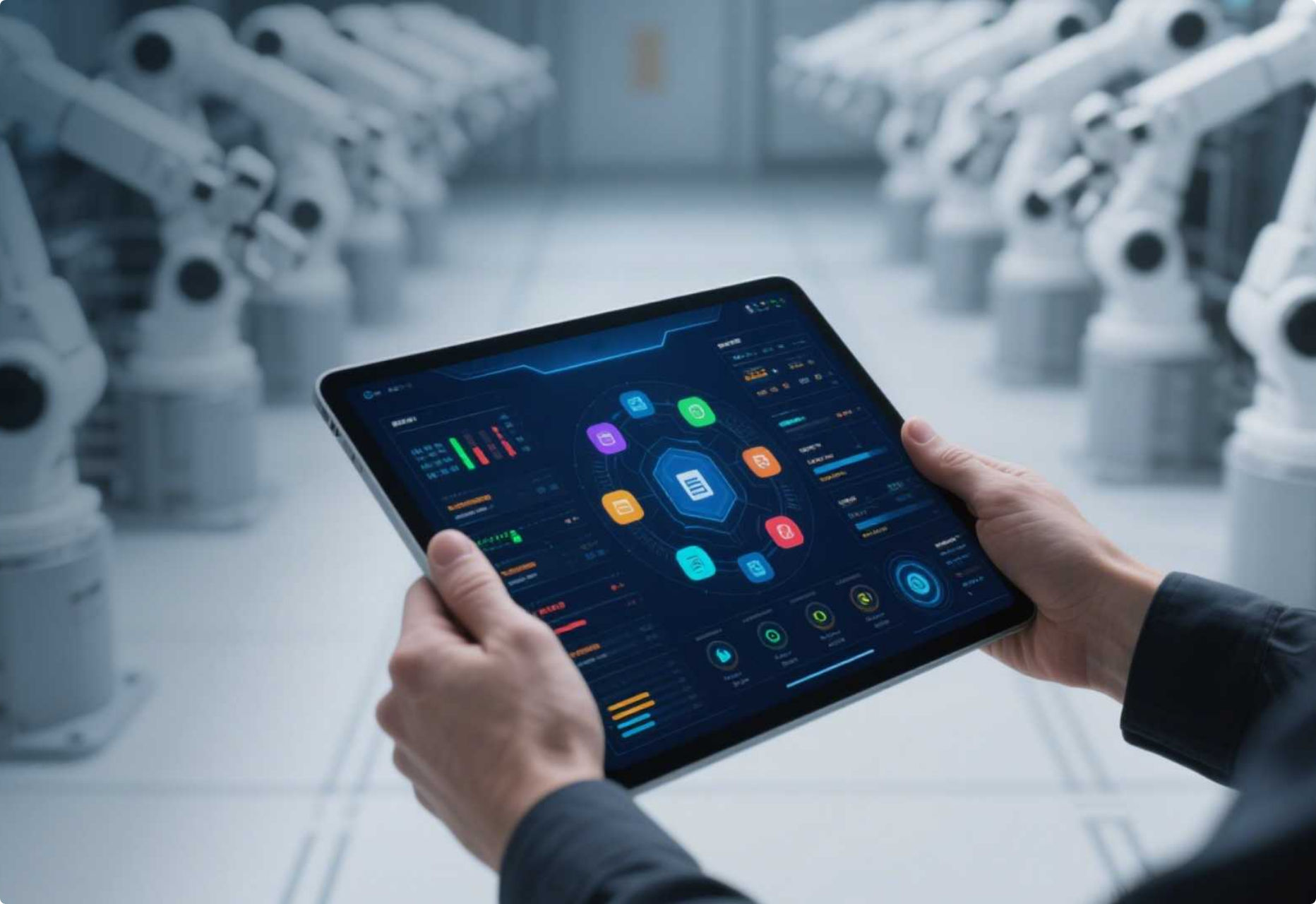
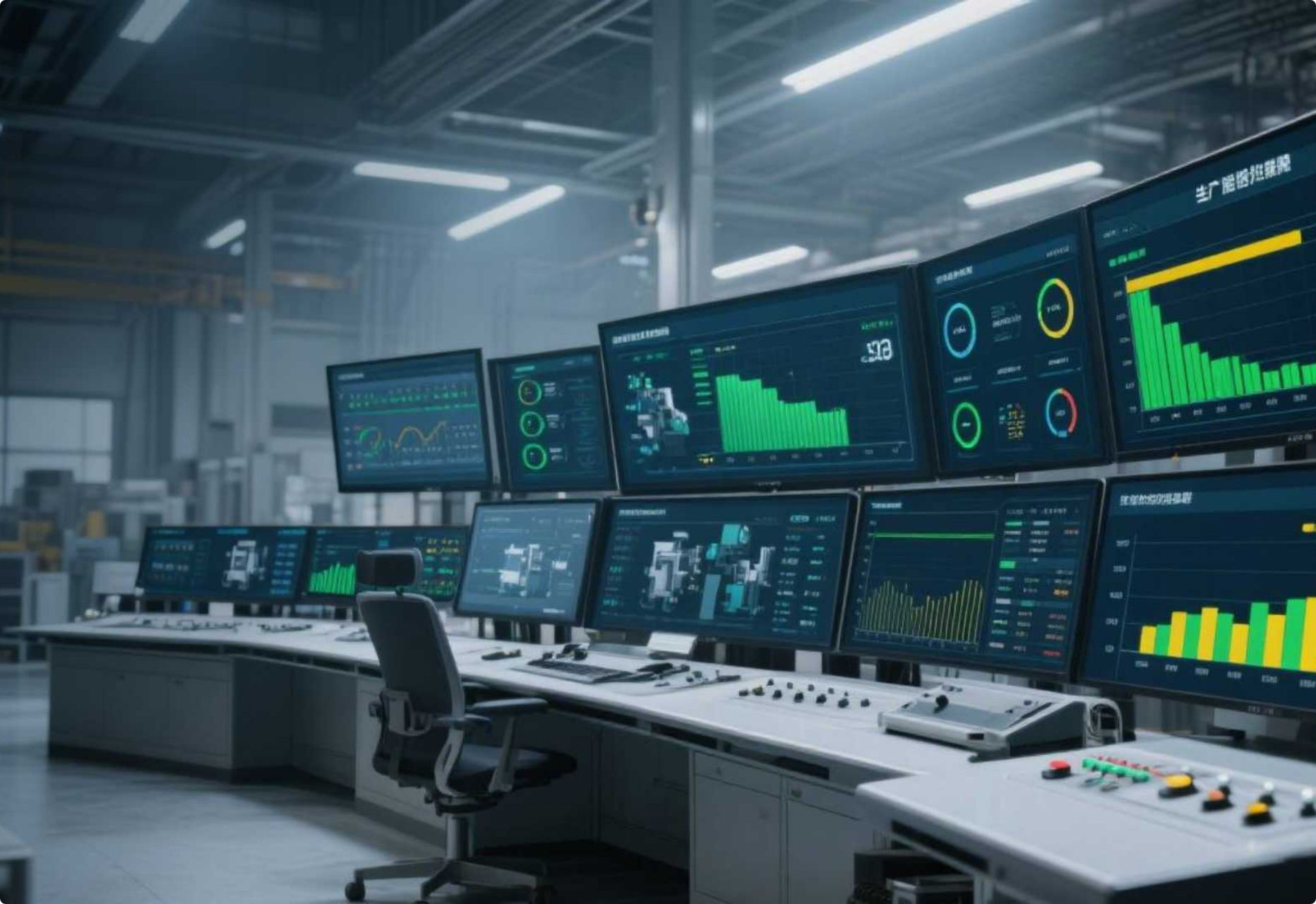
The maturation of digital technology propelled production planning and scheduling systems into the intelligent optimization stage. Systems at this stage integrate advanced technologies such as big data and artificial intelligence, enabling comprehensive collection of all relevant data — orders, materials, equipment, processes — and automatically generating optimal production plans through intelligent algorithms. The production planning and scheduling system is no longer a simple data recording and calculation tool but possesses capabilities for prediction, optimization, and dynamic adjustment. It can foresee material readiness risks in advance, balance various resource loads, and achieve precise alignment between production plans and actual execution.
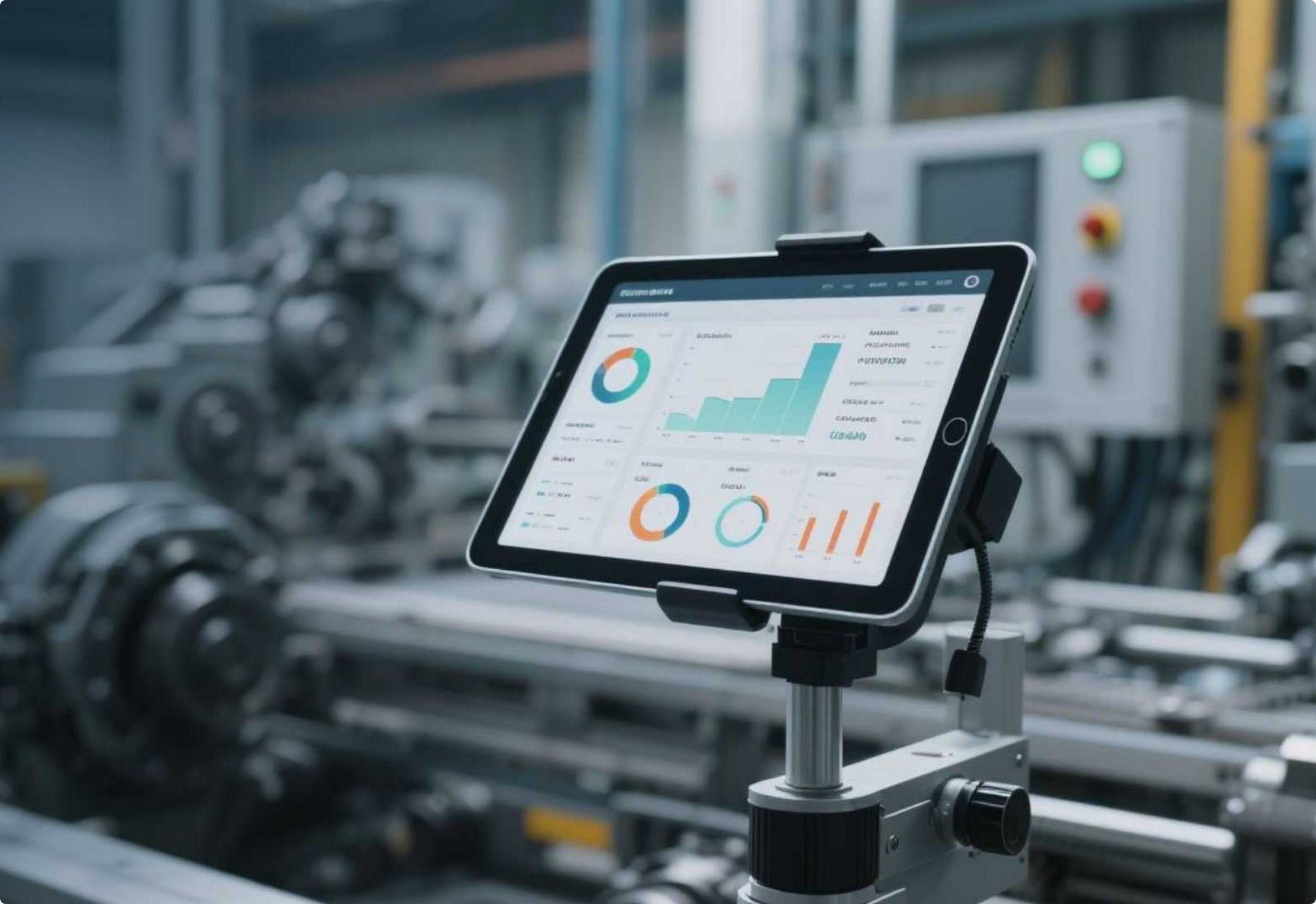
Huipai APS Supply Chain Resource Planning and Scheduling Platform, as a representative system of the intelligent stage, is deeply tailored to the actual needs of China's local equipment manufacturing enterprises. The production planning and scheduling system focuses on the pain points of the equipment manufacturing industry — complex BOM structures and diverse material demands — with intelligent algorithms at its core, achieving full-process control from order decomposition to material readiness, and from capacity balancing to production execution. The development journey of production planning and scheduling systems is a vivid microcosm of the digital transformation of manufacturing: from reliance on experience to data-driven decision-making, from passive reaction to proactive prediction. Every step of evolution closely addresses the pain points of the industry.