

 Products & Services





 400 676 5650
Time:2026-01-04
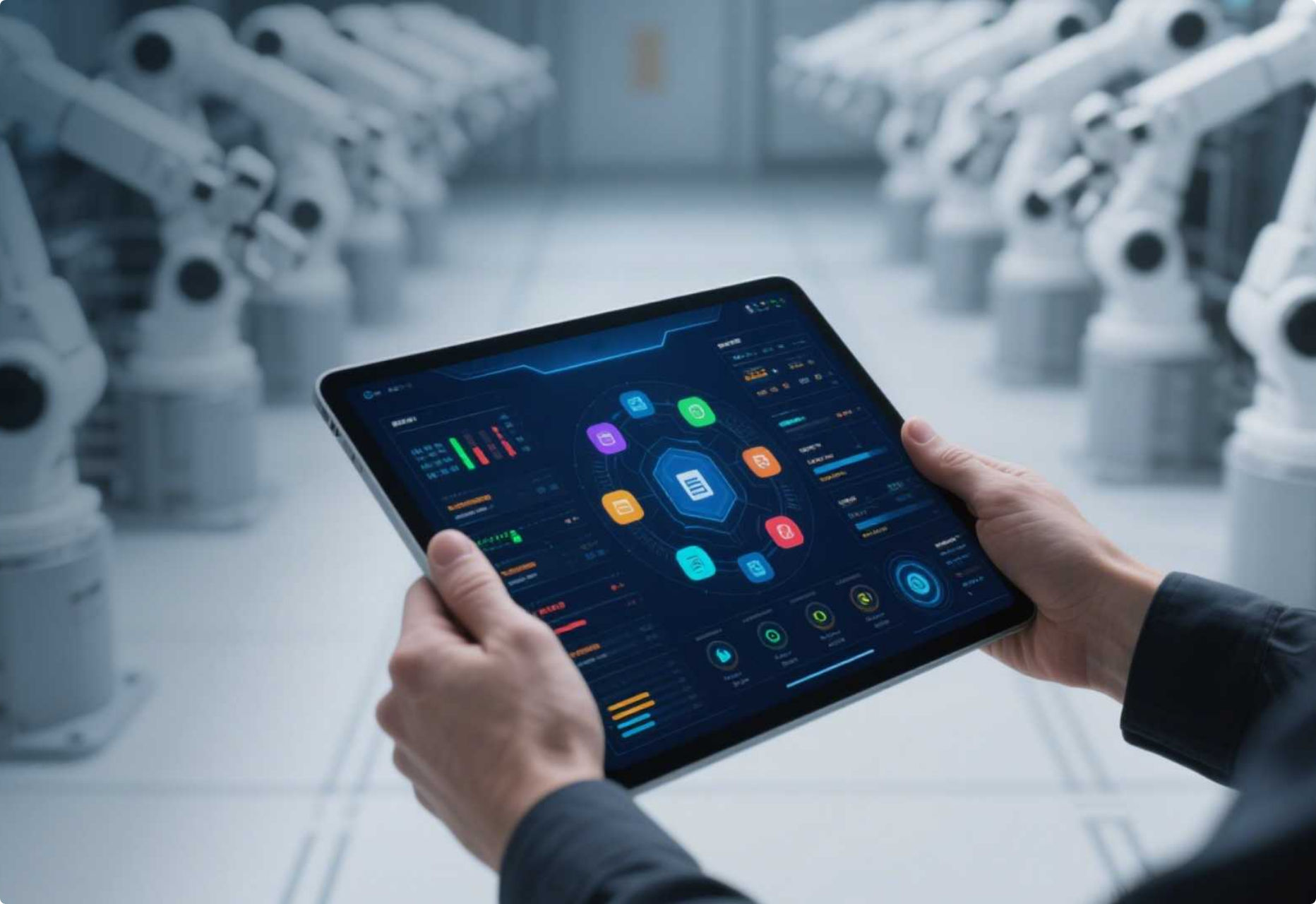
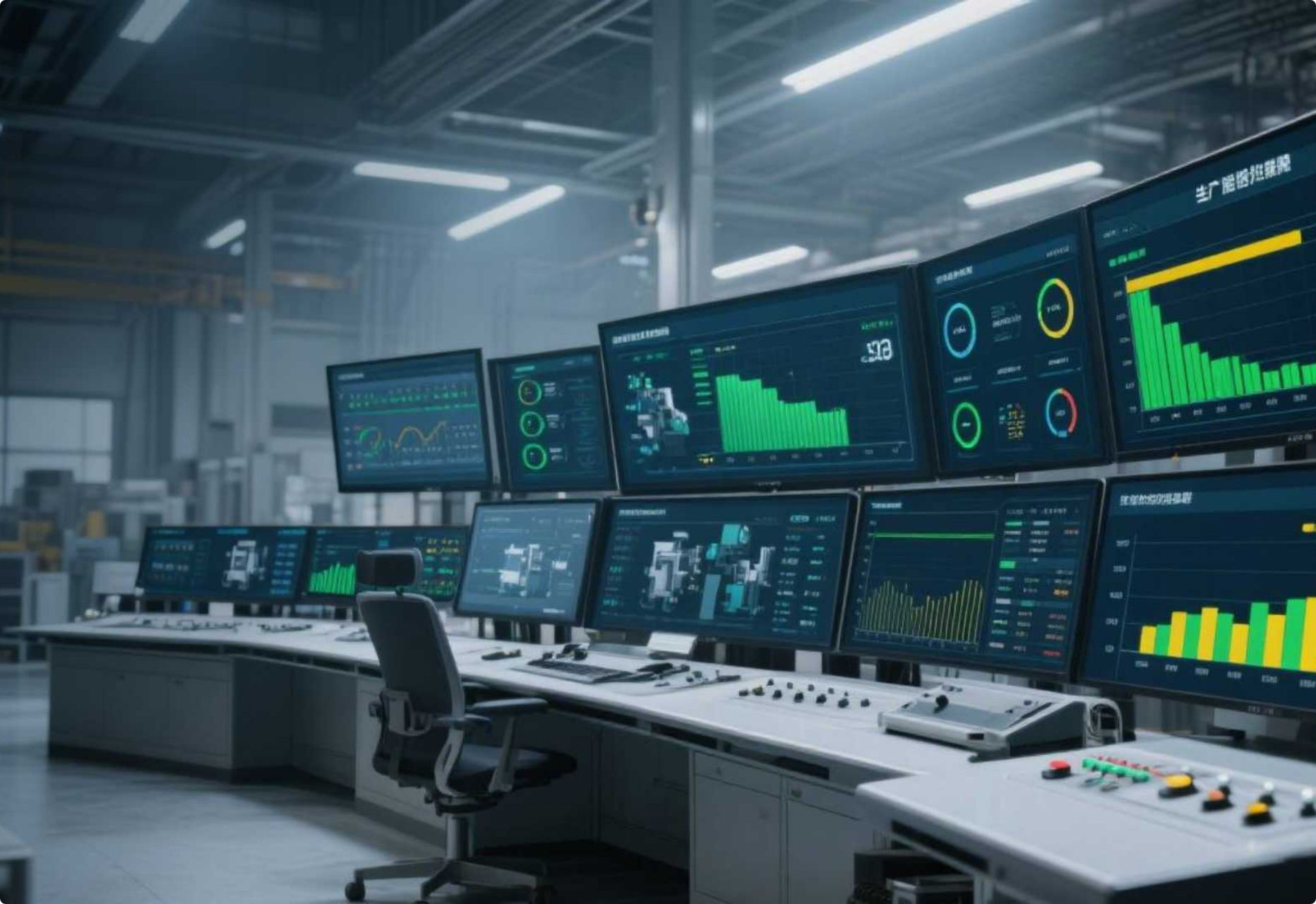
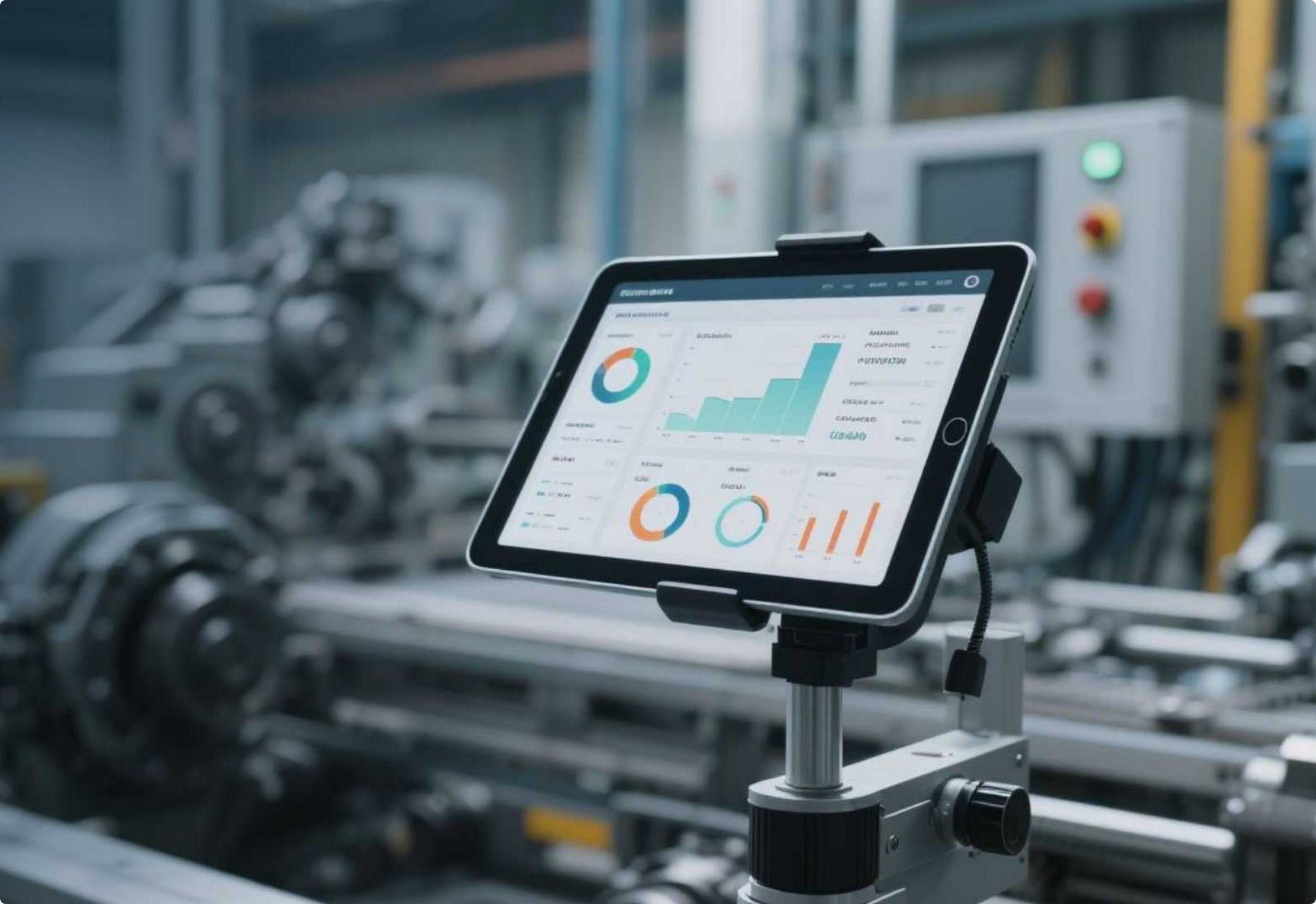
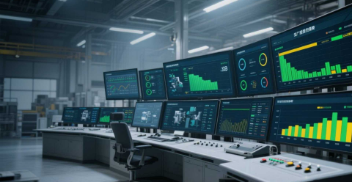
Production Planning and Scheduling System During dynamic scheduling, it first connects all information modules in the workshop, much like establishing a real-time information channel. On one side, it interfaces with execution data from the production floor, such as which process step is completed and which is still in progress; on the other side, it monitors equipment status, including whether a machine has suddenly malfunctioned or if the current load is too high. At the same time, it synchronizes warehouse material arrival status and the latest order changes, such as last-minute additional orders, requests for early delivery, or order cancellations.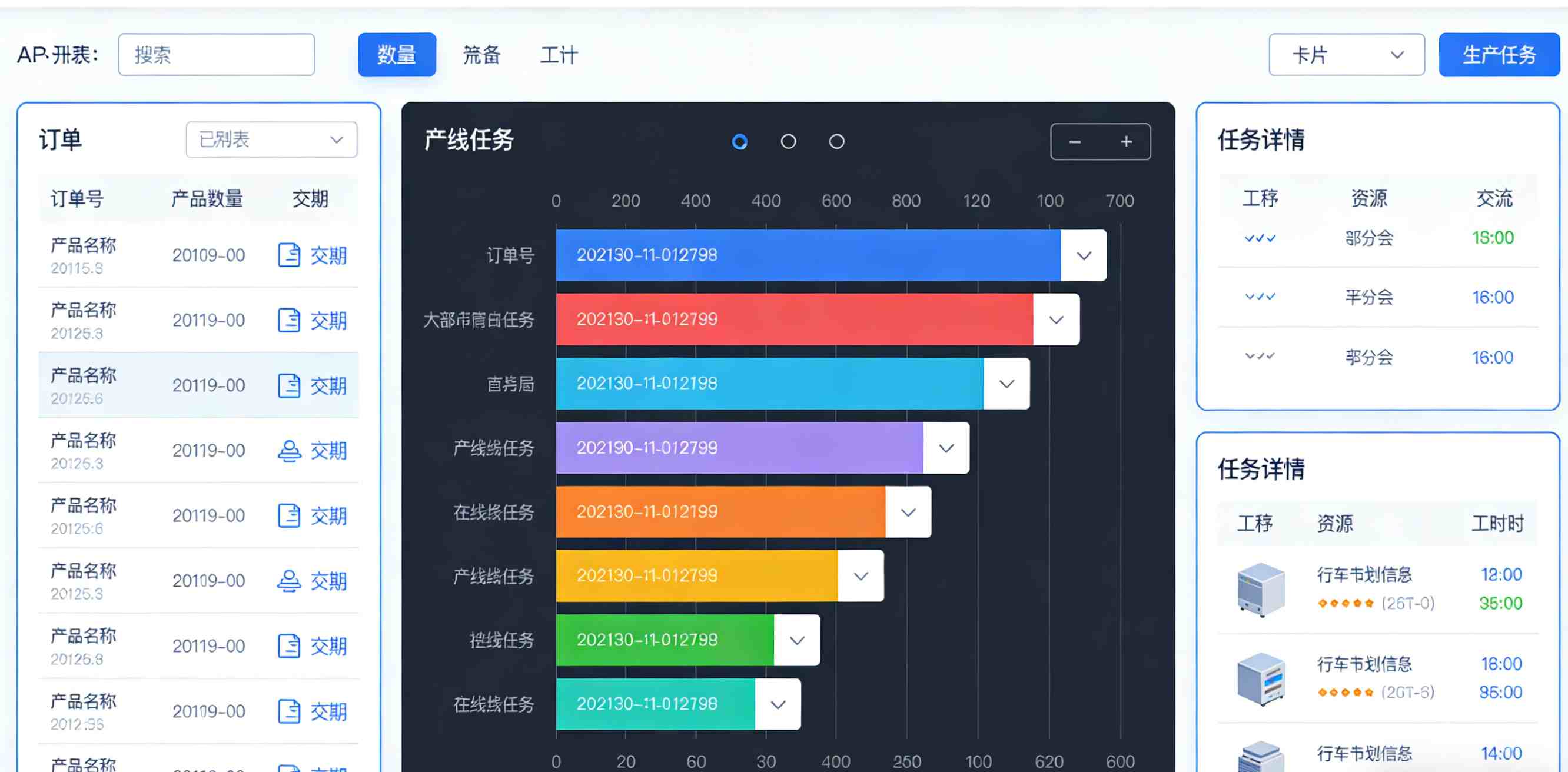
Under these circumstances, the Huipai Production Planning and Scheduling System refers to pre-defined enterprise rules, such as prioritizing core-client orders, ensuring that the maximum production capacity of each equipment is not exceeded, and maintaining the correct product process sequence. By leveraging intelligent algorithms, it quickly re-evaluates production tasks. When equipment malfunctions occur, tasks originally assigned to that equipment are automatically reassigned to available machines of the same type. In cases of delayed material arrival, the system adjusts the start time of the corresponding process, advancing other tasks that can proceed normally. After adjustments, the production planning and scheduling system automatically "checks" the feasibility of the new plan, such as whether two process steps are competing for the same equipment, whether the adjusted tasks exceed capacity, and whether material availability is sufficient. If any issues are detected, fine-tuning is promptly performed.