

 Products & Services







 400 676 5650
Time:2025-12-31
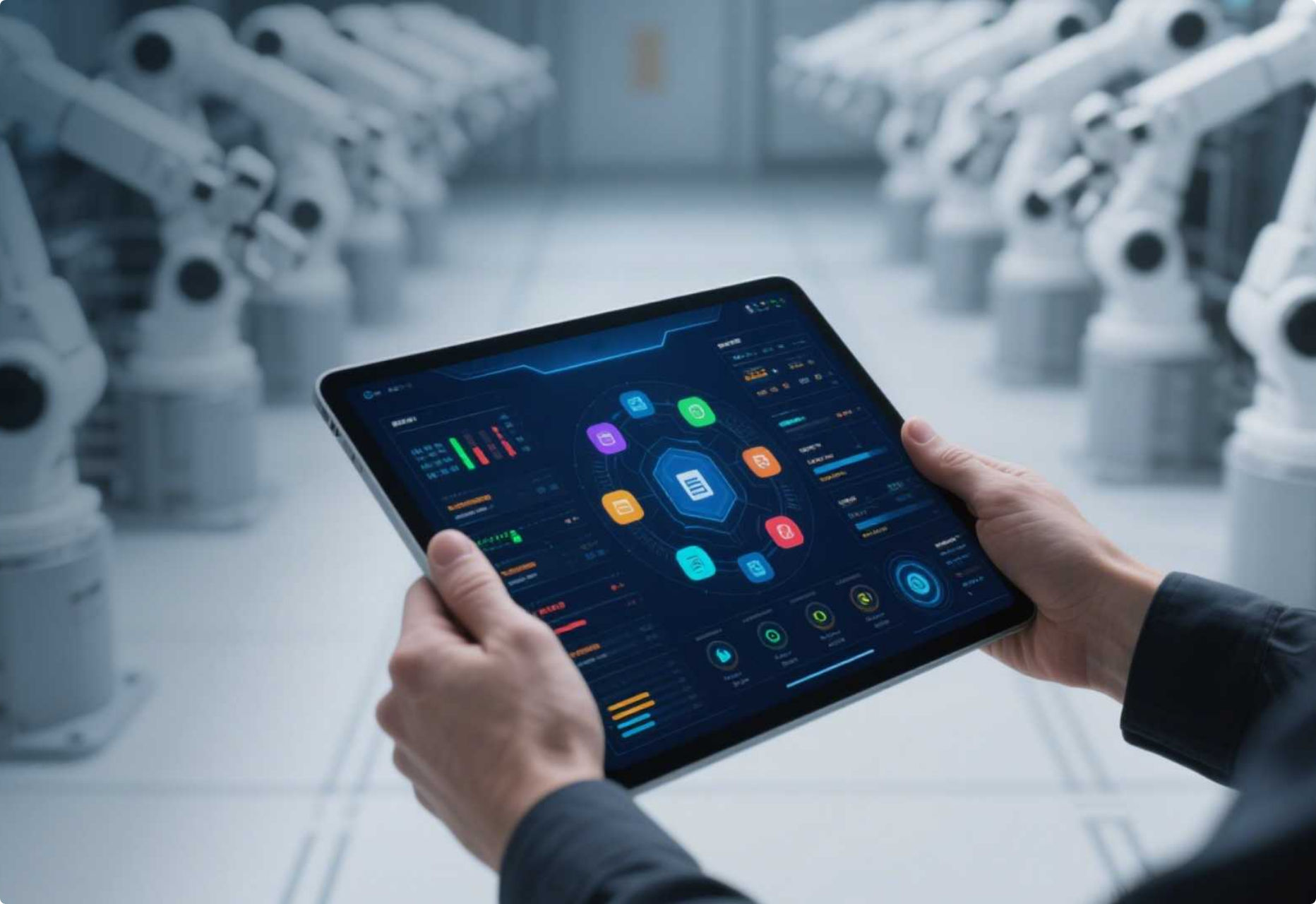
The core of a production planning and scheduling system lies in integrating the entire supply chain data and dynamically adjusting production schedules to precisely balance delivery deadlines with production capacity, thereby avoiding the pitfalls of either “rushing to meet delivery dates while neglecting capacity waste” or “maximizing capacity at the expense of delayed deliveries.” Huipai Production Planning and Scheduling System first collects two critical streams of information simultaneously: on the order side, it captures every order’s delivery date, product model and specifications, production quantity, and customer priority (e.g., key clients’ orders carry higher precedence); on the resource side, it details each machine’s maximum output, actual daily operating hours, the suitability of on-site personnel’s skills, and the lead time for raw material procurement and arrival. Based on this, a framework is established to align demand with supply.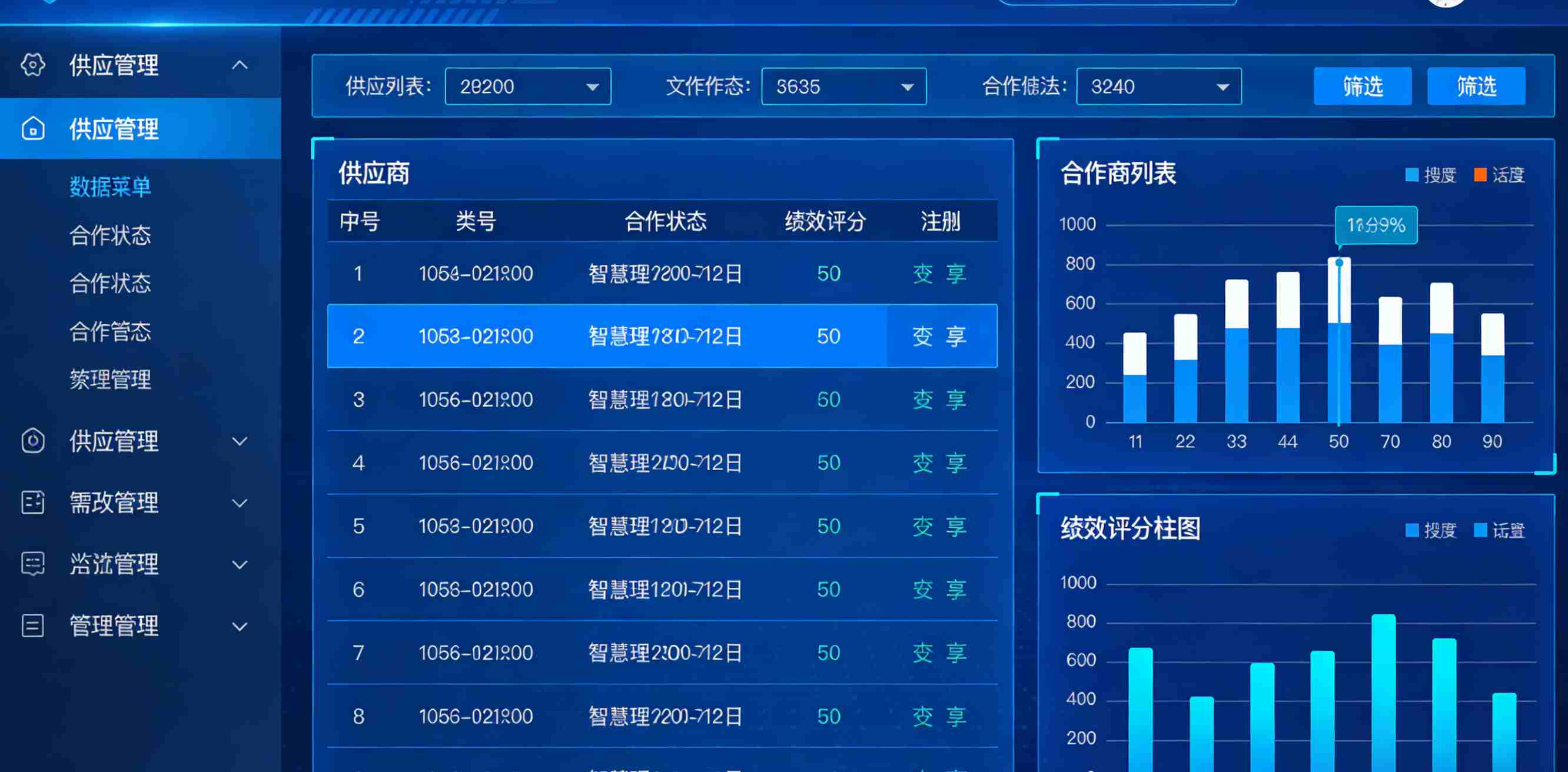
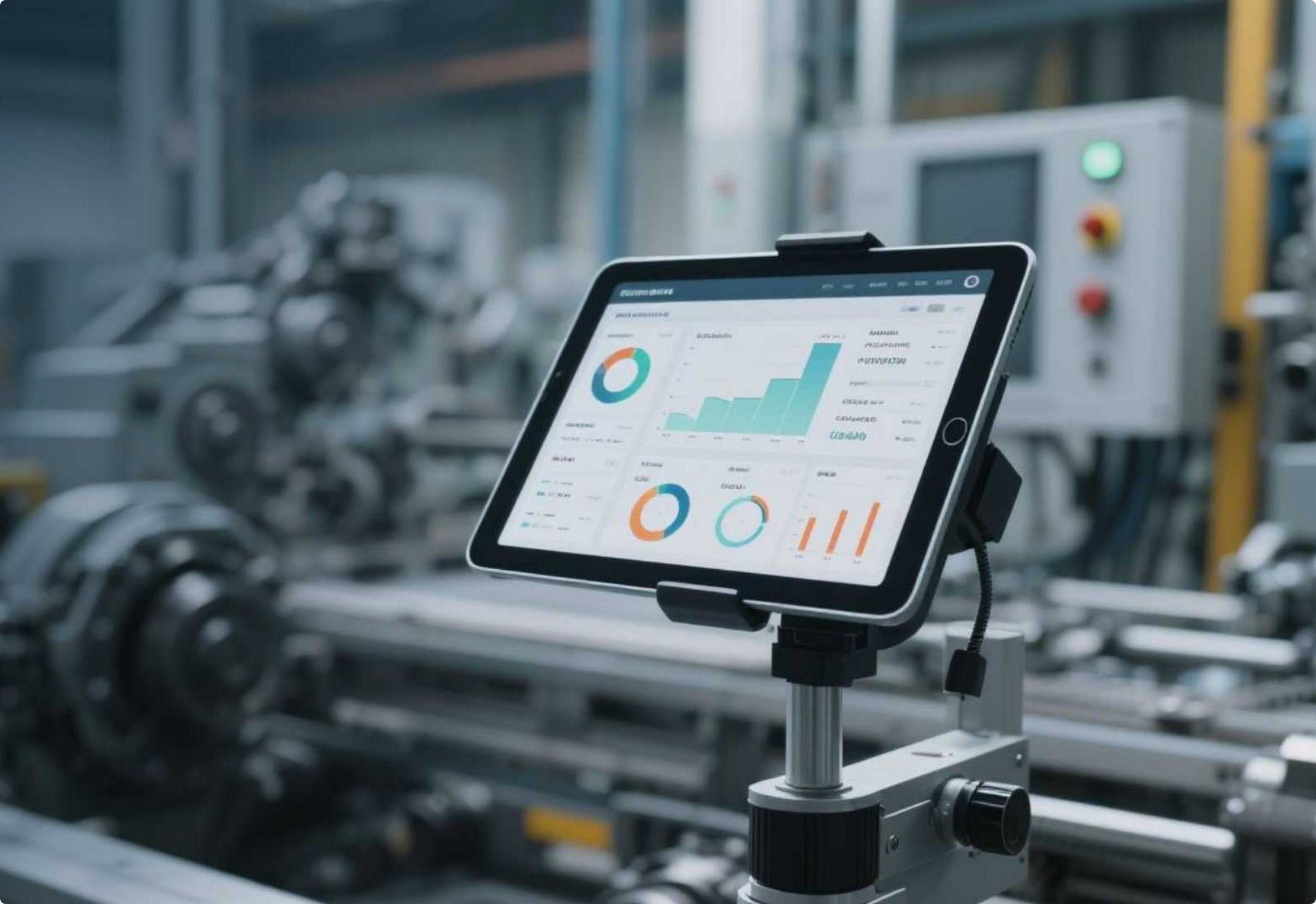
Subsequently, the Production Planning and Scheduling System prioritizes production tasks based on order importance and delivery urgency, rationally allocates resources such as equipment and manpower within the limits of production capacity, and optimizes the execution time for each process. This ensures that high-priority orders are delivered on time while making the most of production resources—avoiding both idle equipment and overloading.
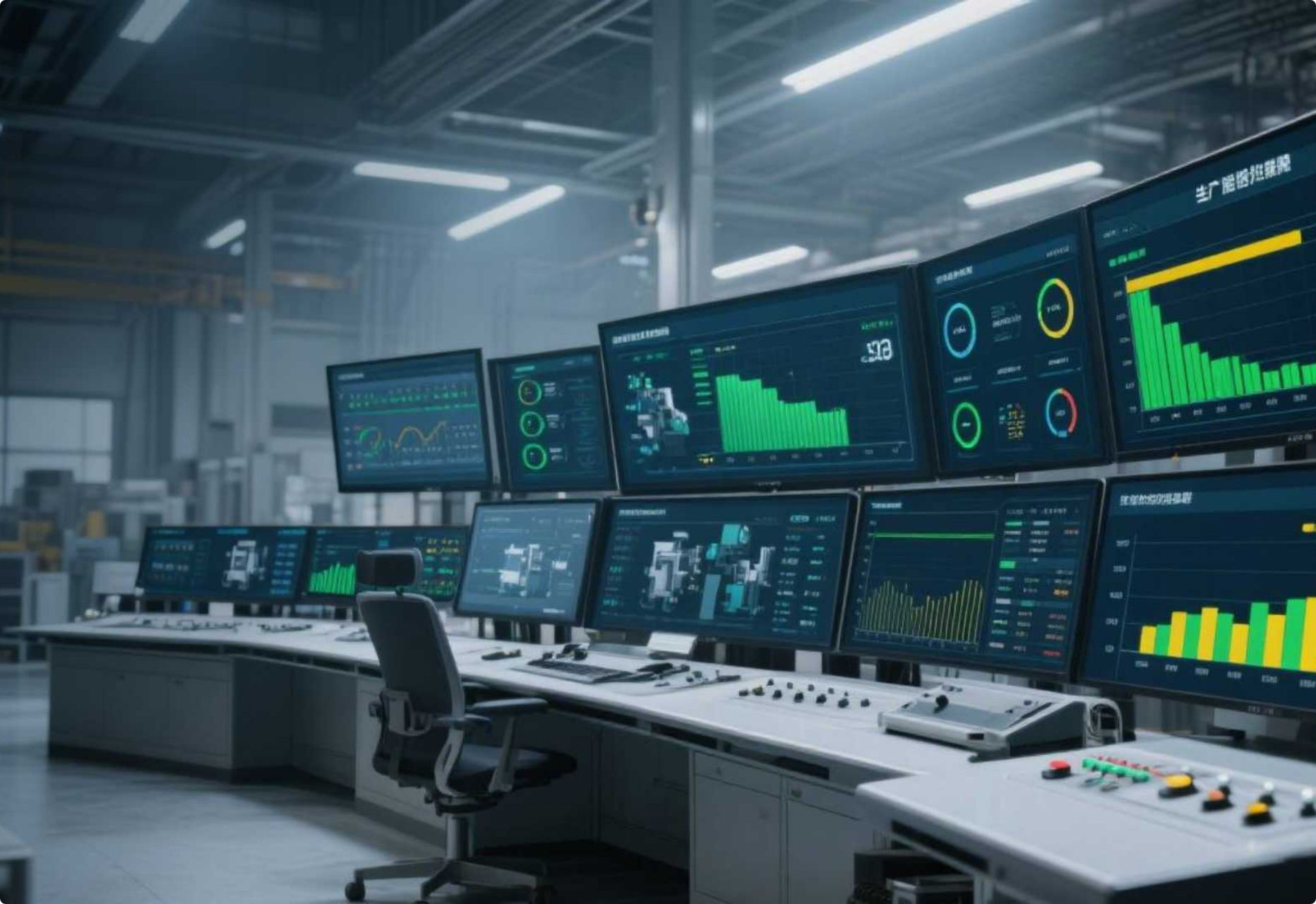
At the same time, the Production Planning and Scheduling System tracks workshop progress and resource status in real time. When unexpected incidents arise—such as sudden equipment breakdowns or delayed material arrivals—it automatically adjusts the production plan. For example, it shortens waiting times for non-critical processes and reallocates idle or surplus resources to compensate for capacity shortfalls, ensuring delivery timelines remain unaffected. This creates a closed loop of “gathering demand—matching supply—dynamic adjustment,” achieving a dynamic balance between on-time delivery and efficient production capacity.