


 Products & Services









 400 676 5650
Time:2026-03-11
Supply chain planning and scheduling enable enterprises to make decisions faster and more accurately. The key value of supply chain planning and scheduling lies in integrating real-time data from various supply chain links, providing precise and actionable support for corporate decision-making. Relying on fragmented data reported by different departments is not only time-consuming to compile but also prone to errors, slowing down decisions and introducing biases. Supply chain planning and scheduling can automatically consolidate critical data such as order demand, production capacity load, and raw material inventory—eliminating the need for planners to manually calculate statistics. This enables decision-makers to quickly understand the actual status of the supply chain, effectively reducing the time required for decision-making.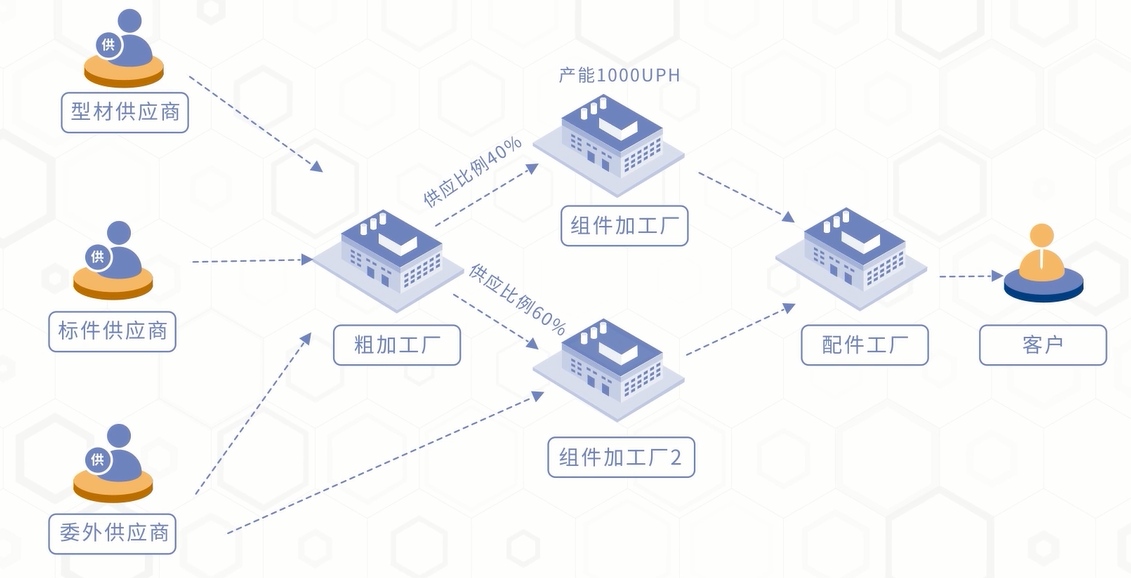
When enterprises adjust production plans and allocate human and equipment resources, supply chain planning and scheduling can simulate the execution effects of different decision alternatives, anticipate risks in advance, and help decision-makers avoid potential losses. This process fundamentally shifts corporate decision-making from traditional "experience-based judgment" to "data-driven support," significantly enhancing the rigor and authority of decisions. Supply chain planning and scheduling not only streamline the decision-making process but also ensure efficient alignment between decisions and production execution. Supply chain planning and scheduling have become a crucial pillar for enterprises to optimize decision-making workflows and strengthen core competitiveness.