

 Products & Services





 400 676 5650
Recently, the Ministry of Industry and Information Technology, the National Development and Reform Commission, and eight other departments jointly issued the "14th Five-Year" Smart Manufacturing Development Plan. The Plan proposes that during the "14th Five-Year" period and for a considerable period thereafter, China will focus on promoting smart manufacturing in smart factories, relying on carriers such as manufacturing units, workshops, factories, and supply chains, with processes and equipment as the core and data as the foundation, to build a smart factory manufacturing system that integrates virtual and real, knowledge-driven, dynamically optimized, safe and efficient, green and low-carbon, and promote the construction of smart factories in the manufacturing industry.

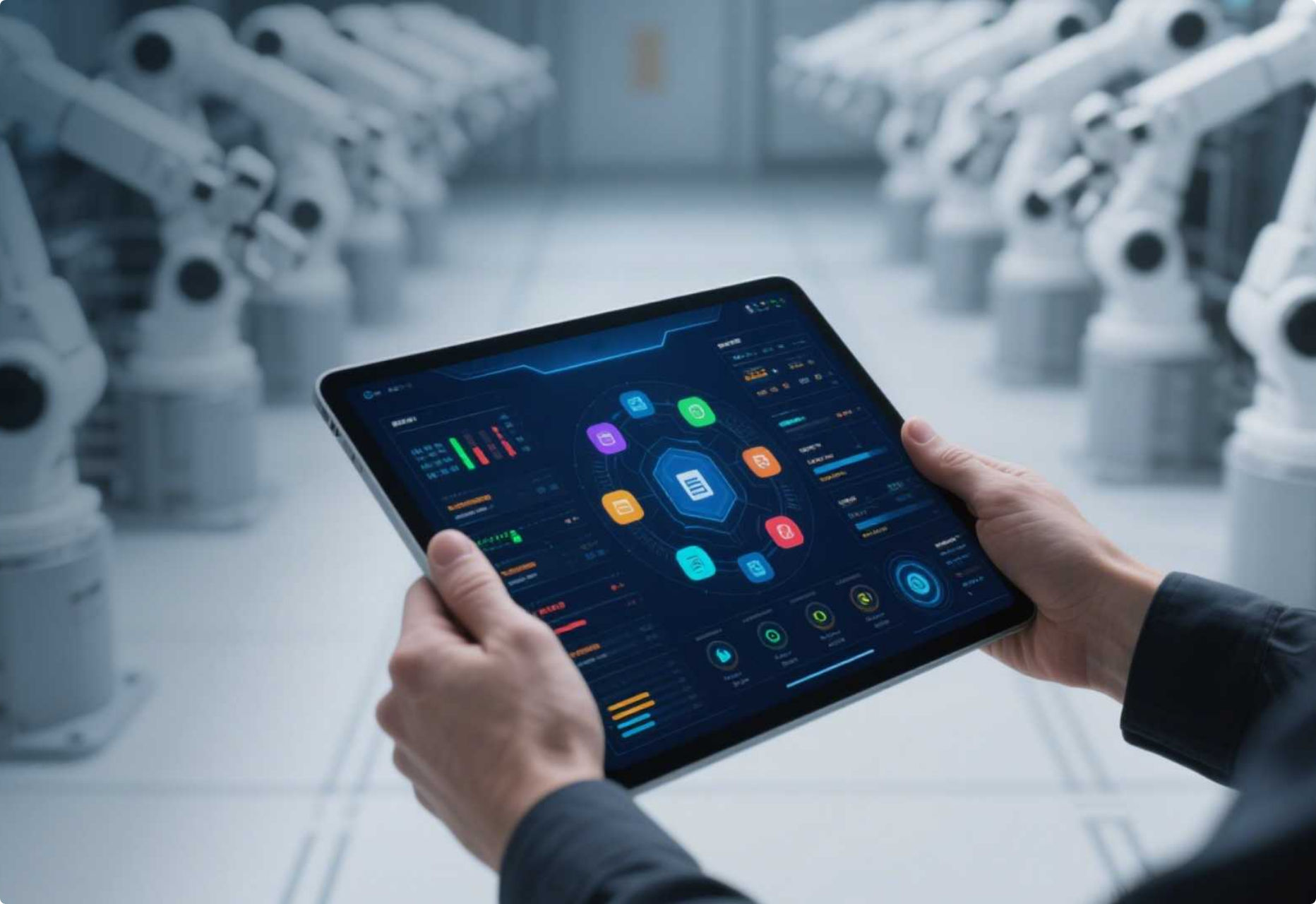
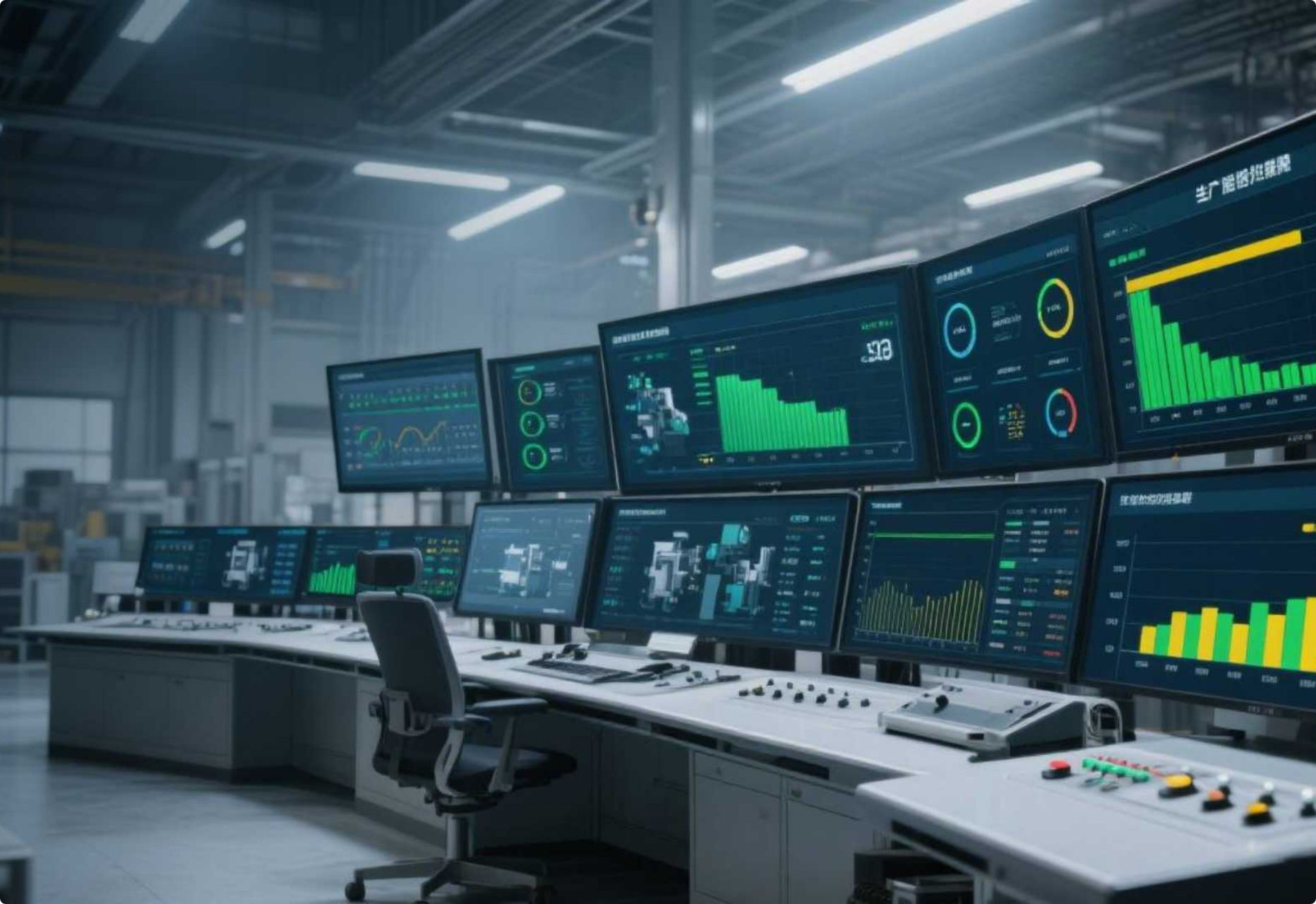
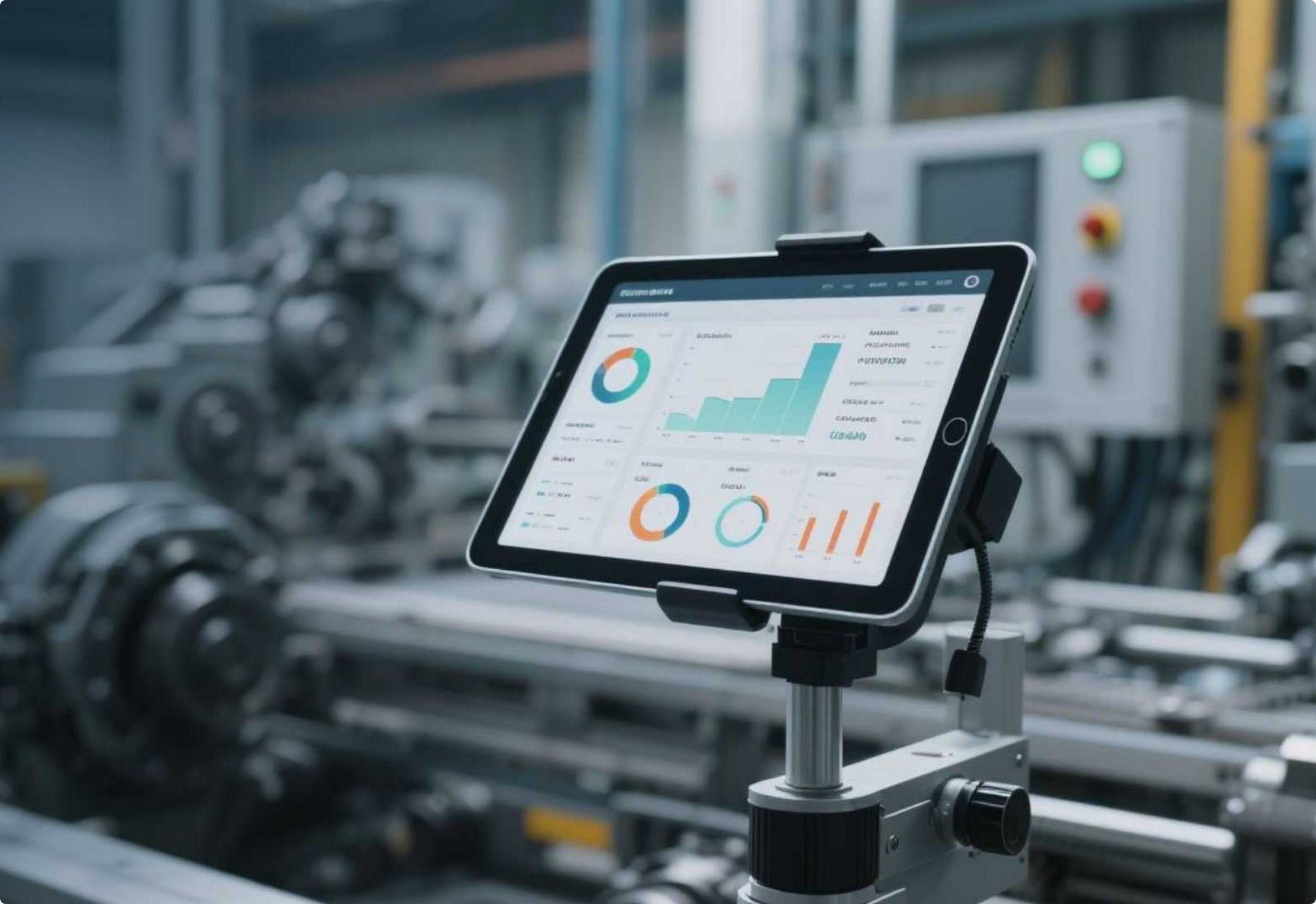
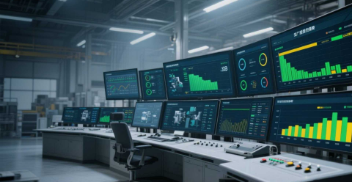
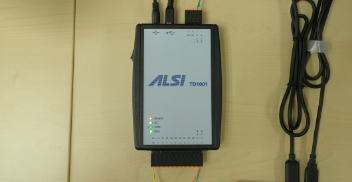
Under the impetus of national policies, it is urgent for manufacturing enterprises to accelerate the construction of smart factories and the transformation to smart manufacturing. However, small and medium-sized manufacturing enterprises often face many problems during the transformation process. For example, old workshop equipment is difficult to network, making data collection difficult; or there are many types of equipment models, which are incompatible with each other and difficult to unify into the network. In the construction of smart factories, equipment networking and data collection are basic elements, and these two issues must be prioritized and resolved first. The Alps Equipment Status Monitoring System's exclusive intelligent data collector TS-10 is installed on existing equipment in an external form. It does not require disassembly of equipment or shutdown, and is compatible with over 90% of equipment, enabling rapid equipment networking and data collection. The Lighthouse server can process the collected data, allowing managers to view it through mobile phones, dashboards, and Pads, and grasp the real-time production site situation. At the same time, Lighthouse has storage functions, supporting retrospective query of full production cycle data, automatically generating statistical reports, providing decision-making basis for subsequent managers to optimize equipment and production lines, and assisting enterprises in building smart factories.
The Plan also mentions that by 2025, most manufacturing enterprises above a designated size are expected to achieve digitalization and networking, and key backbone enterprises in key industries will initially apply intelligentization; by 2035, manufacturing enterprises above a designated size will fully popularize digitalization and networking, and key backbone enterprises in key industries will basically achieve intelligentization. Small and medium-sized manufacturing enterprises should also respond to the call, keep up with the trend, and seize the time to promote smart factory construction. The construction of smart factories cannot be achieved overnight. Although the road is long and difficult, with persistence we will reach the goal. Enterprises should start from the basics of equipment networking and data collection, and take solid steps in every step of smart factory construction.