

 Products & Services







 400 676 5650
This year, China has introduced a series of tax reduction policies for the development of smart factories, helping enterprises effectively reduce taxes and fees and improve production capacity efficiency. Among them, the VAT end-of-period tax rebate policy for advanced manufacturing has been strengthened and the conditions for enjoying preferential treatment have been relaxed. Eligible advanced manufacturing enterprises can enjoy more favorable policies and take the lead in smart factories, reflecting the policy orientation of encouraging increased investment in advanced manufacturing and assisting the construction ofsmart factories.

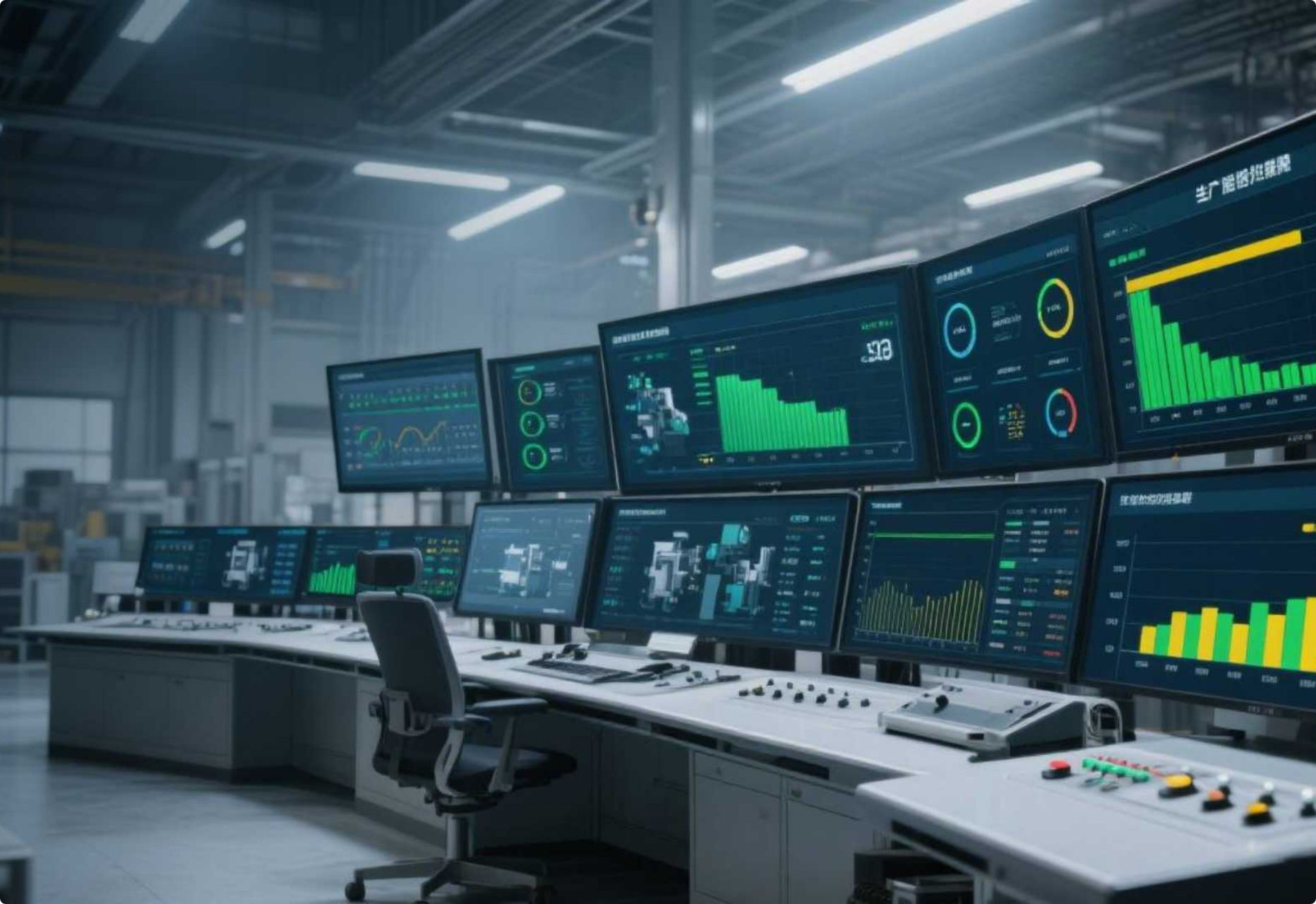
A smart factory refers to a factory that, unlike traditional factories, integrates high-tech achievements such as electronic information, computer science, and modern management technologies during its development, achieving high-quality, efficient, low-consumption, clean, and flexible production, thereby generating good economic returns and market results.
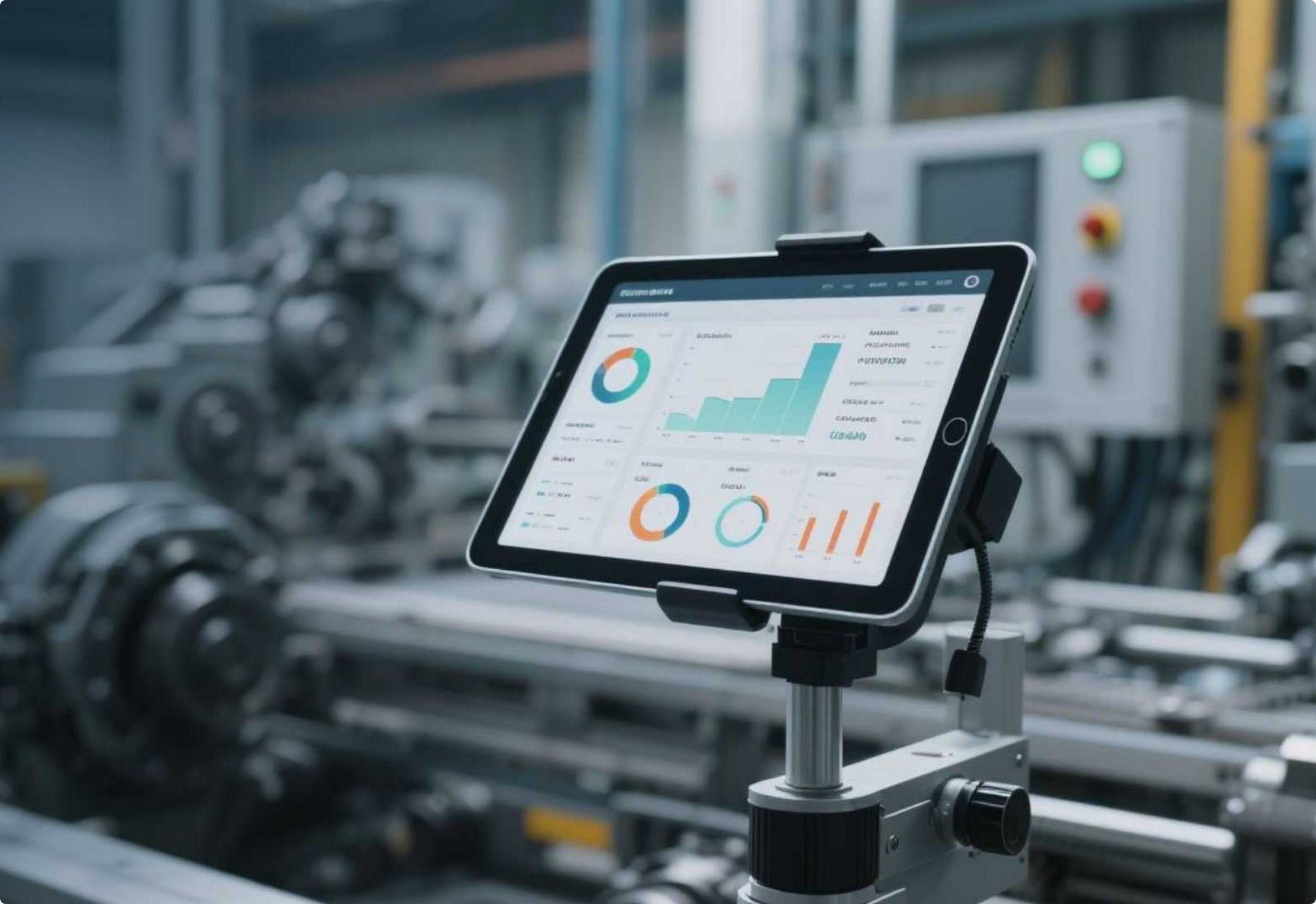
Alps System Integration (Dalian) Co., Ltd. has been deeply involved in industrial IoT development research for many years and firmly believes that the value of data relies on continuous mining and accumulation. Leveraging advanced sensor technology, big data, and cloud computing, it builds an industrial internet system model to help enterprises constructsmart factories, enabling the traditional manufacturing industries that account for a large proportion of China's manufacturing sector to truly transform and upgrade, allowing even the heavy and redundant traditional manufacturing enterprises to catch the fast train of advanced manufacturing and enjoy the policy dividends from the state for advanced manufacturing. Based on the current situation and bottlenecks faced by small and medium-sized enterprises, it plans a sustainable development path that aligns with corporate planning forsmart factories.
From the perspective of specific advanced manufacturing clusters, the Guangzhou-Shenzhen-Foshan-Dongguan Smart Equipment Industry Cluster has taken the lead. Not only has it been at the forefront of industrial development, but it has also set development goals. It is expected that by 2025, the cluster's output value will exceed one trillion yuan, and the Guangzhou-Shenzhen-Foshan-Dongguan Smart Equipment Industry Cluster will be built into a world-class smart equipment industry cluster, leveraging the existing industrial foundation of the Guangdong-Hong Kong-Macao Greater Bay Area to form an innovative, structurally optimized, and scale-leading smart equipment industry system.
In addition to the Guangzhou-Shenzhen-Foshan-Dongguan Smart Equipment Industry Cluster, Shanghai is also keeping pace with development. The Shanghai Integrated Circuit Cluster will invest an additional 300 billion yuan to build a more powerful city-level industrial cluster. To attract talents from all over to settle in the cluster, Shanghai has simultaneously introduced targeted policies in talent introduction, settlement policies, personal tax reduction, industrial fund support, and other supporting facilities to ensure the industrial development of the Shanghai Integrated Circuit Cluster.
From this it can be seen that, from the central to local governments, from the policy to the industrial level, during the "14th Five-Year Plan" period, the construction of advanced manufacturing clusters will be fully accelerated, and the wave of factory construction will surge, followed by the vigorous development of advanced manufacturing. Relying on years of advanced experience in smart factory development in Europe, the United States, and Japan, Alps System Integration (Dalian) Co., Ltd. will take the lead in expanding the frontier of manufacturing reform, forging a practical and feasible path for enterprises to buildsmart factories based on their own conditions.