

 Products & Services




 400 676 5650
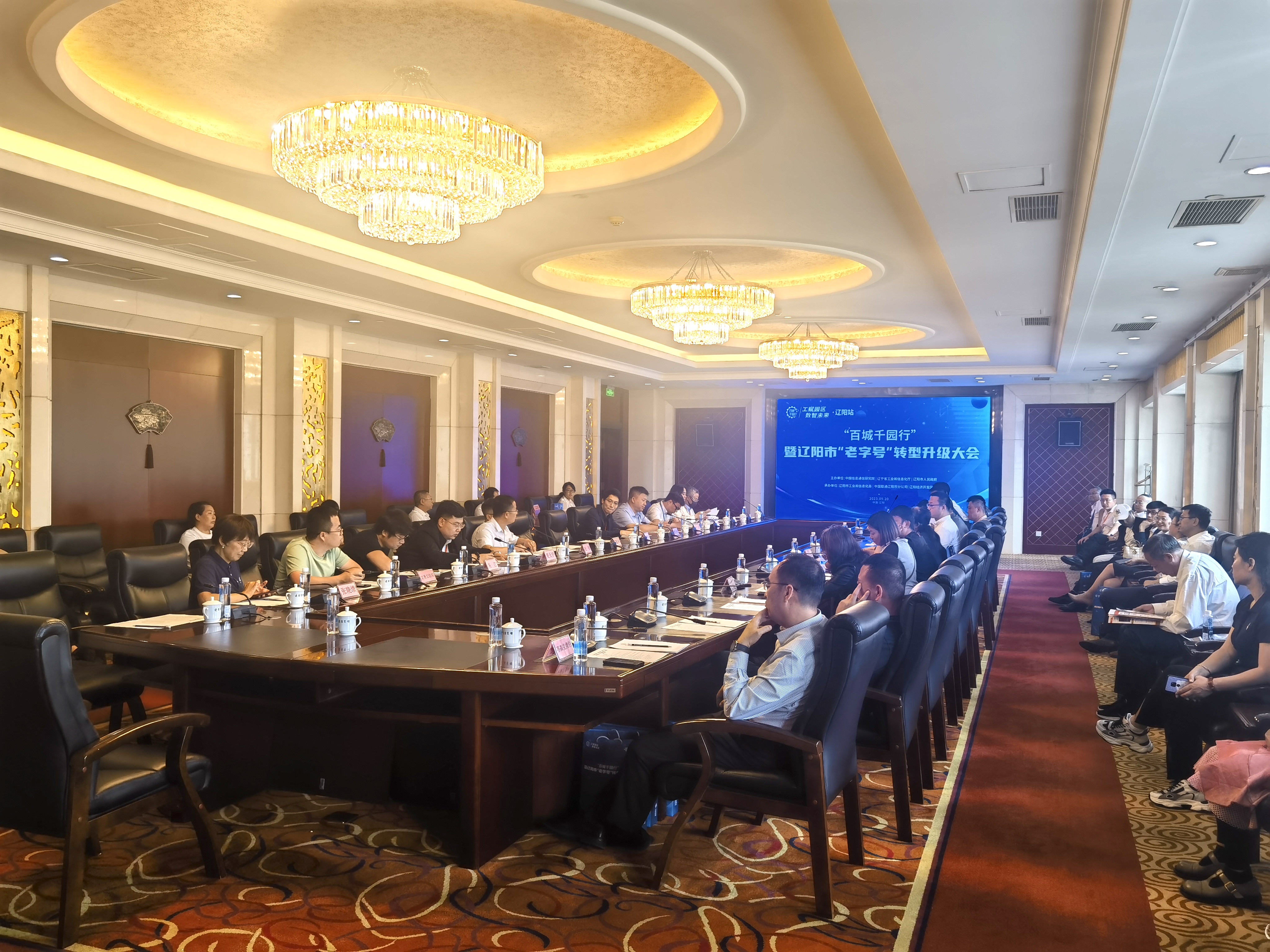
On September 20, 2023, the "Hundred Cities, Thousand Parks Campaign & Liaoyang Time-honored Brand Transformation and Upgrade Conference" was successfully held, hosted by the Liaoning Provincial Department of Industry and Information Technology, the People's Government of Liaoyang City, and the China Academy of Information and Communications Technology, and organized by the Liaoyang Municipal Bureau of Industry and Information Technology and China United Network Communications Co., Ltd. Liaoyang Branch. The Mayor of Liaoyang City, relevant leaders from the Liaoning Provincial Department of Industry and Information Technology and the Management Committee of Liaoyang Economic Development Zone, representatives of many time-honored manufacturing enterprises, and digital transformation service providers attended the conference.
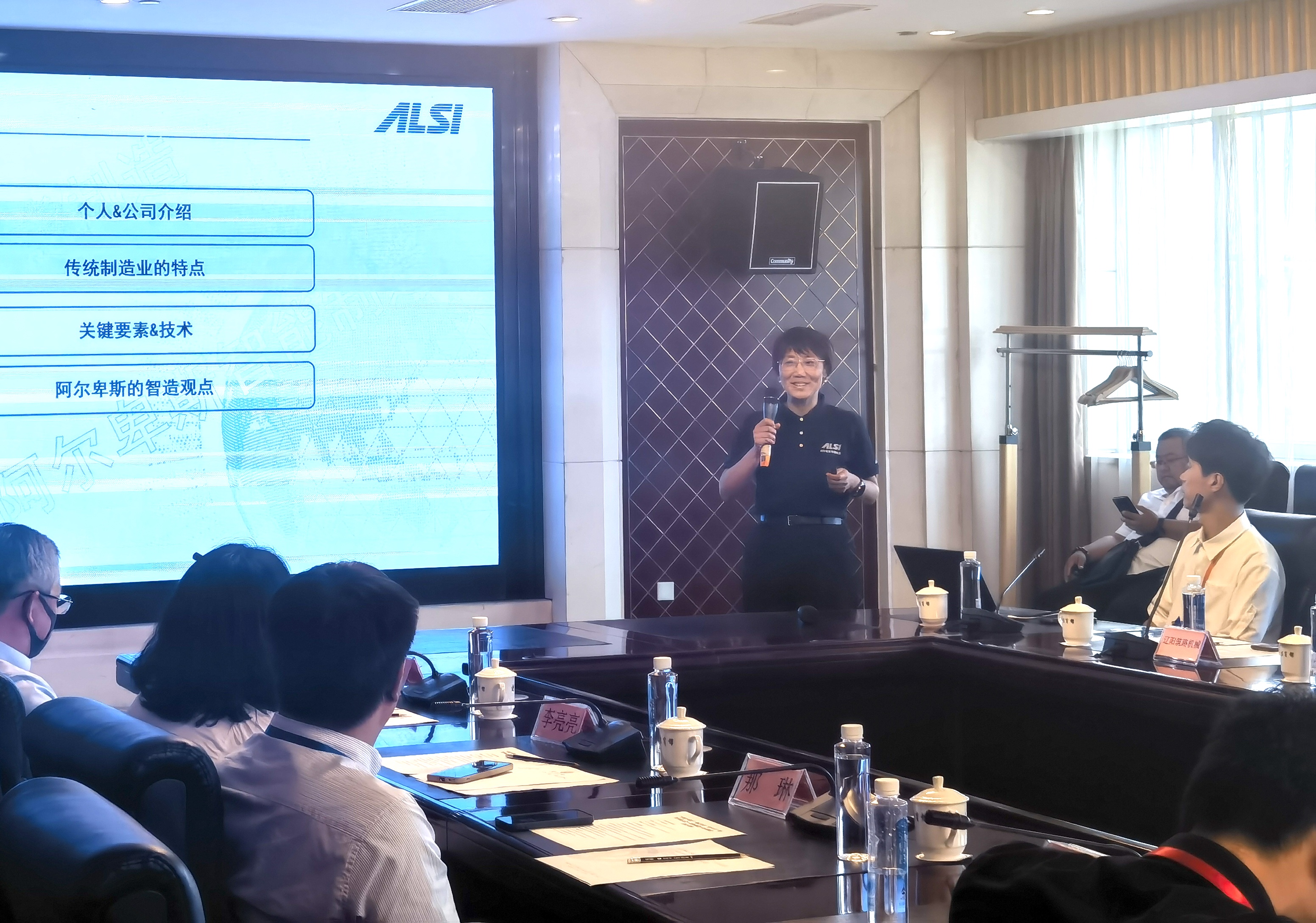
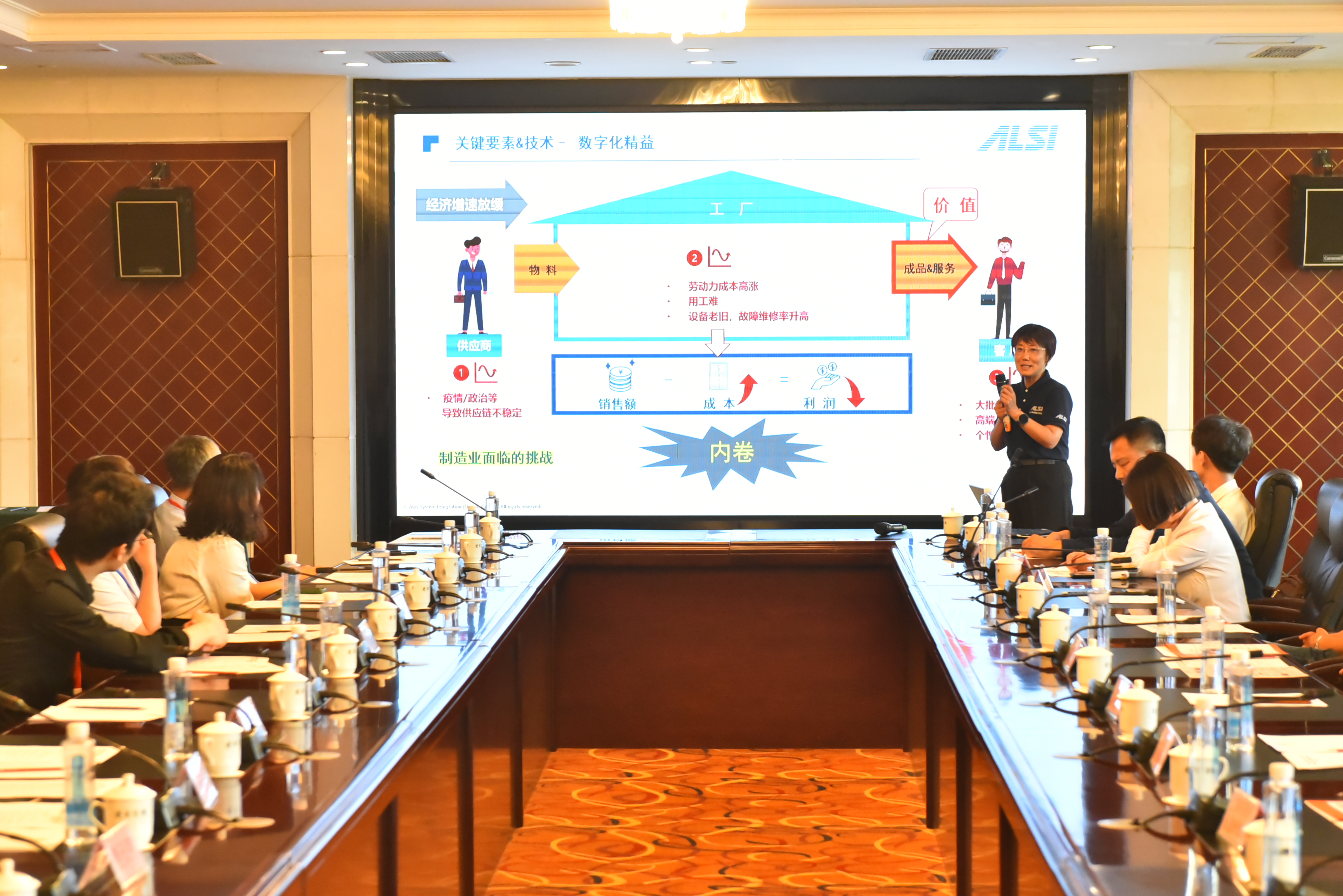
Alps System Integration (Dalian) Co., Ltd. (hereinafter referred to as "ALSI") was invited to participate, and Dr. Zhang Xiaohui, Director of the company, was also invited to attend and gave a keynote speech titled "Digital Lean: Activating Traditional Manufacturing". From the perspectives of difficulties, pain points, and key implementation factors of intelligent transformation and digitalization in traditional manufacturing, it deeply analyzed the effective path for time-honored manufacturing enterprises to successfully complete the construction of smart factories.
Dilemma: Intelligent Transformation and Digitalization of Time-honored Manufacturing Enterprises
The digital and intelligent transformation of time-honored manufacturing enterprises has accelerated under the momentum of "Made in China 2025". However, the construction of smart factories is quite challenging.
The primary challenge is the wide range of equipment ages and the difficulty of data collection. Due to the long establishment time of most time-honored manufacturing enterprises, equipment exhibits characteristics such as a wide age span, a high proportion of "dumb" devices without protocols or interfaces, and the coexistence of old, middle, and new generations. Traditional data collection methods struggle to cope, making it impossible to achieve automatic collection of various equipment data, and the construction of smart factories is difficult and complex.
The second challenge is the disconnect between digital system service providers and manufacturing operations. "System developers don't understand operations," "system functions are flashy but impractical," and "implementing the system increases workload instead" are almost common pitfalls in the industry. In an era that emphasizes practicality and efficiency, time-honored manufacturing enterprises need digital systems that are deeply integrated with business scenarios and can effectively empower business advancement.
The third challenge is the abundance of data, but how to use and activate it remains unresolved. In the era of data-driven decision-making, enterprises are becoming independent digital entities. Thirty years ago, the digital foundation of manufacturing enterprises consisted of three financial statements and inventory ledgers. Today, massive amounts of data are input and flow within enterprises daily. However, how to use and effectively activate this data remains a puzzle for many enterprises. At the same time, a large amount of data includes invalid data, causing decision-making interference and leading to the dilemma of having more data but being at a loss.
Against this backdrop, Dr. Zhang Xiaohui, Director of ALSI, condensed the "pitfalls and lessons learned" from the digital lean promotion process of the group's seven domestic factories into practical experience for the construction of smart factories, sharing it with manufacturing peers. He also presented an effective implementation path for the "intelligent transformation and digitalization" of manufacturing enterprises—digital lean.
Breakthrough: Digital Lean
To understand digital lean, two core aspects are unavoidable.
First is the lean philosophy, which is to eliminate all waste that does not generate customer value. Under traditional management models lacking systematic support, identifying "waste" is almost a "mystical art" that relies heavily on managers' experience. In contrast, digital lean in a smart factory can leverage the data support of digital systems to accurately identify "waste", optimize and improve it, and finally solidify new work methods through the system to form mechanisms and ensure sustainability.
Second is digitalization, which means identifying waste in the digitalization process based on the lean philosophy. Dynamically examine whether the digitalization process of the smart factory deviates from the enterprise's strategic direction and customer value, truly focusing on business and generating value.
When it comes to the practical path of digital lean in smart factories, the following essential elements are required:
1. Unobtrusive data collection, without adding burden to on-site workers. The fundamental reason why manufacturing enterprises spend high prices on systems that are ultimately unused is that data collection is not done properly. Either it relies entirely on manual entry, or the data is incomplete and not timely. To address this, the data collection system uses IOT edge devices to meet the data collection needs of 99+ industrial devices. At the same time, for old equipment without interfaces or protocols, a unique external collection technology is developed, which is plug-and-play for easy networking.
2. Eliminate waste, especially waste at the data level. The core of digital lean in smart factories is waste elimination, among which data waste is the most deadly. ALSI's data collection system data platform has excellent data cleaning and distribution capabilities. On one hand, data is cleaned and converted in real time, automatically filtering out a large amount of useless data to reduce decision-making interference. On the other hand, it supports multi-system interconnection and precise on-demand data distribution, allowing systems to deliver practical results.
3. Deeply engage on-site and find digital transformation service providers who understand business operations. How can one design a user-friendly digital system without understanding production? ALSI's Jinzhi Lean Factory Cloud Platform is a lean production management software developed by a veteran manufacturing enterprise with 30 years of experience. It is self-developed and used by the group's seven domestic factories. It is based on accurate collection of "man/machine/material/method/environment/measurement" data from the manufacturing site, providing a full-chain closed-loop solution covering timely intervention for production anomalies, remote monitoring of equipment status, preventive maintenance of equipment, and intelligent energy-saving and consumption reduction. The aim is to minimize equipment downtime losses and maximize equipment capacity.