

 Products & Services




 400 676 5650
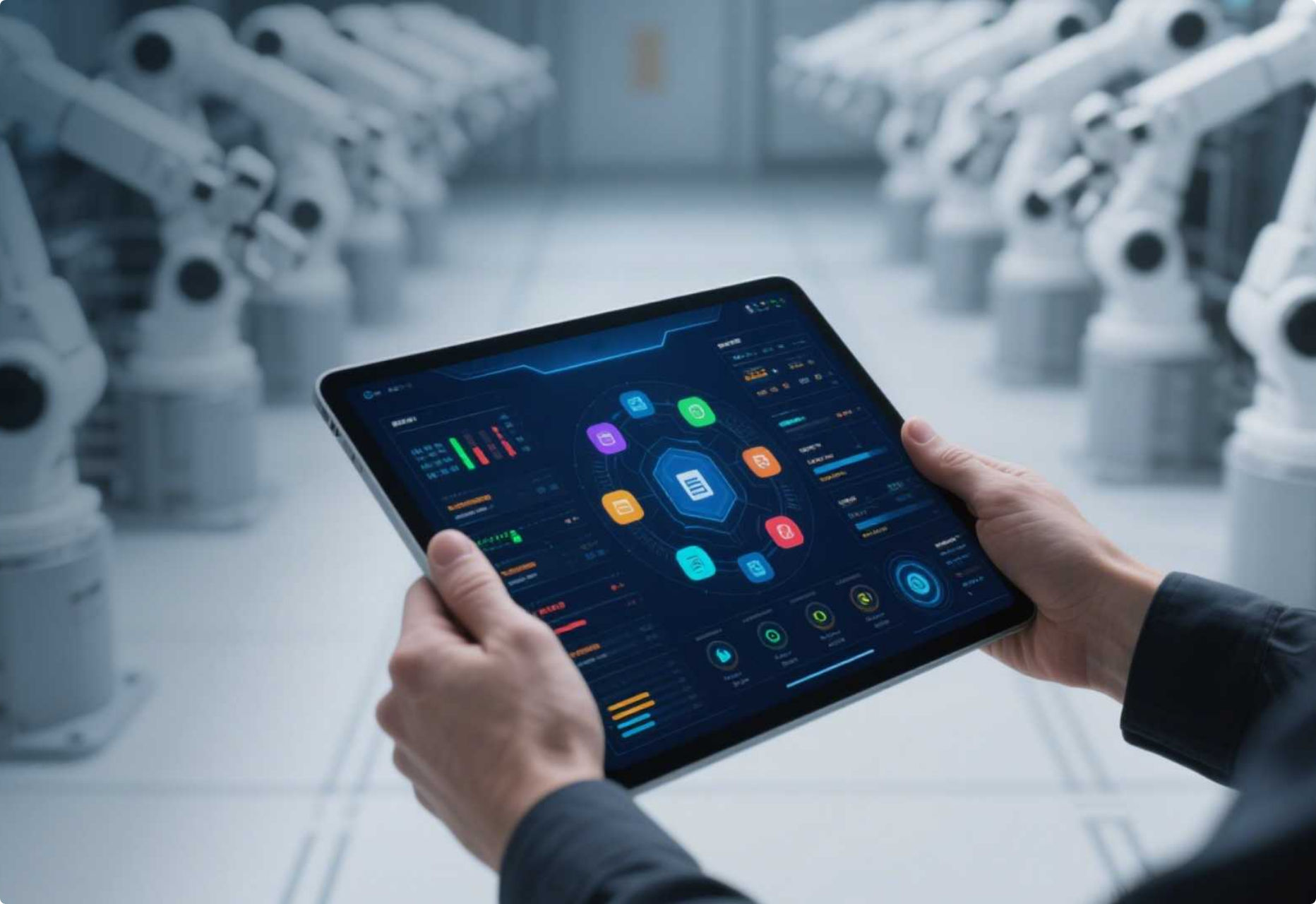
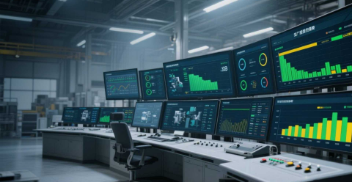
With the continuous development of information technology and manufacturing technology, smart factories have become an important trend in the transformation and upgrading of the manufacturing industry. The rise of smart manufacturing provides enterprises with a more efficient, precise, and intelligent production model. As a key component of smart manufacturing, smart factories bring new development opportunities and challenges to enterprises. For example, smart factories leverage digitalization, intelligence, automation, and other means to achieve a highly intelligent production process, greatly improving production efficiency and product quality, and promoting industry transformation and development.
Traditional factories usually rely on manual operations and mechanical equipment to produce products, lacking real-time monitoring and analysis of data during the production process. In contrast, smart factories adopt advanced technologies such as big data, cloud computing, and the Internet of Things to achieve digitalization and intelligence of the production process, enabling real-time acquisition and analysis of production data for quick decision-making and adjustment. At the same time, smart factories can also use robots, automated equipment, and other means to automate or semi-automate the production process, reducing labor costs and production risks.

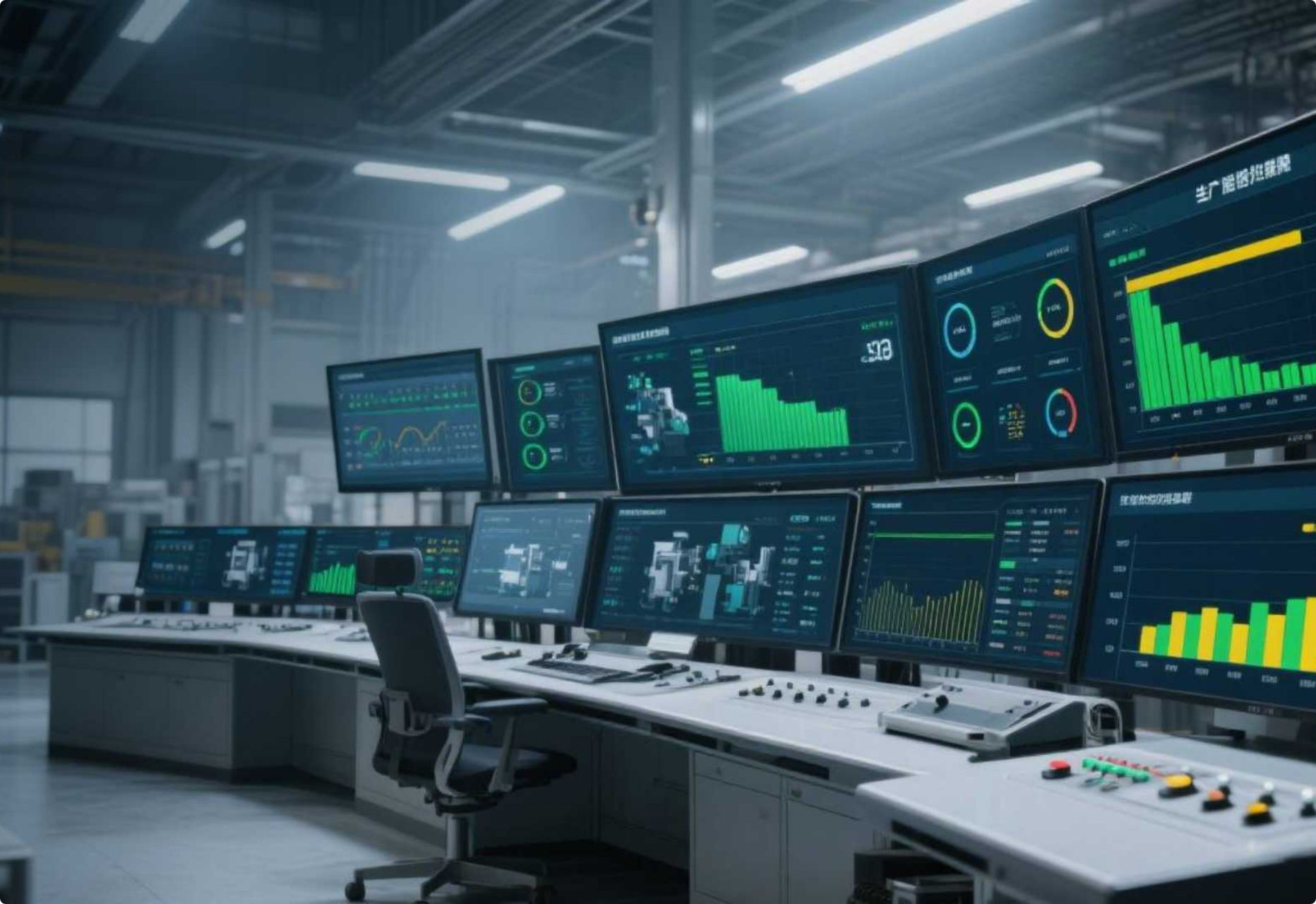
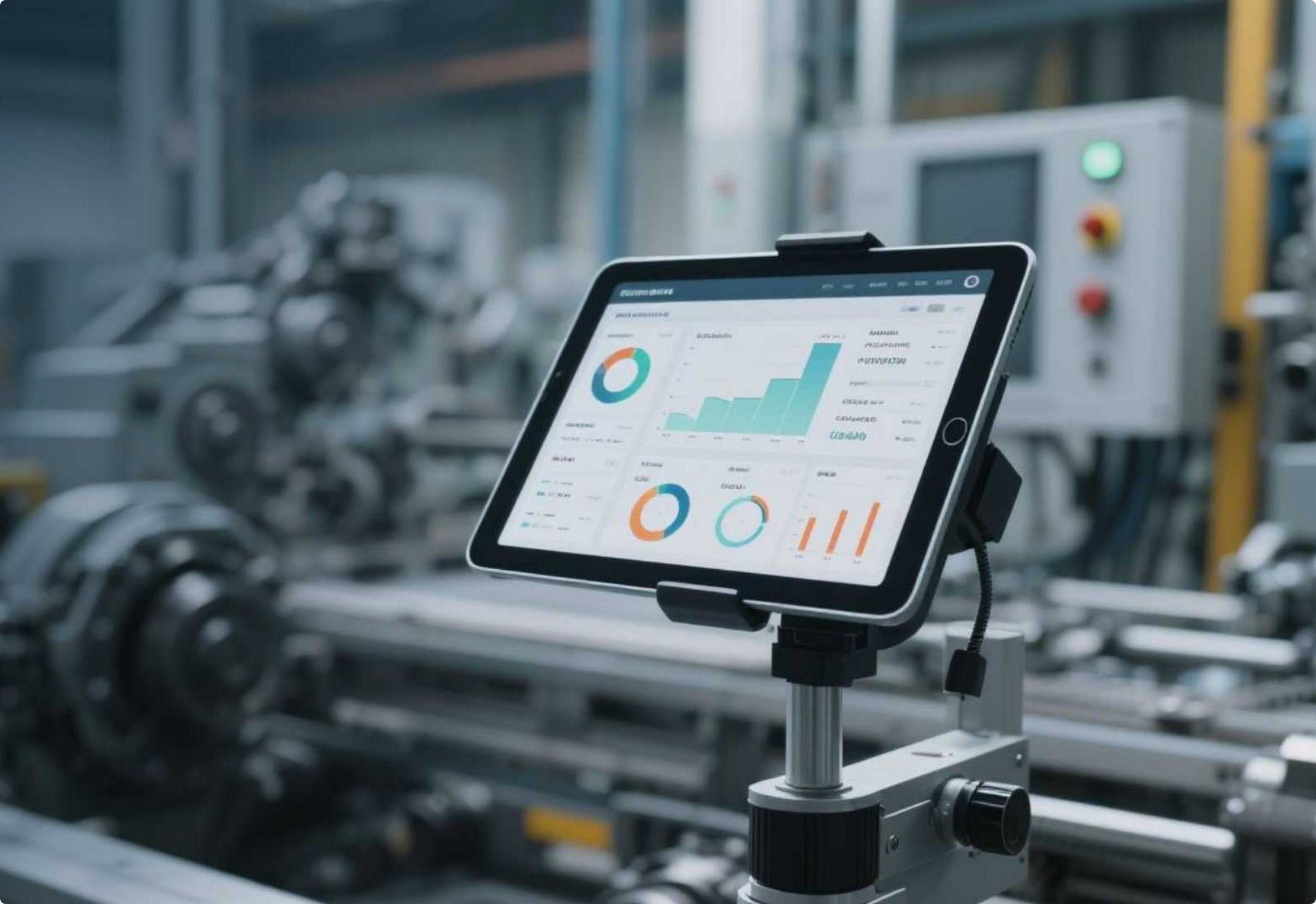
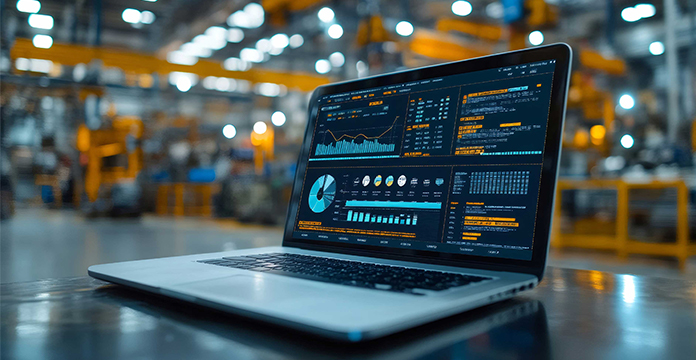
The application of smart technologies enables digital management of all aspects of the production process, achieving visualization and controllability of the production flow. ALSI places great emphasis on the digital production management model in the construction of smart factories. Enterprises can promptly identify problems in the production process through data collection and analysis, thereby improving production efficiency and product quality.
However, there are also some challenges and difficulties in the construction of smart factories. First, building a smart factory requires substantial investment in capital and human resources, making the threshold relatively high for small and medium-sized enterprises. Second, smart factory construction requires extensive technical support and innovation. Enterprises need to continuously invest in R&D and innovation to steadily improve production efficiency and product quality.

Facing these challenges and difficulties, ALSI strengthens internal innovation and external collaboration, continuously expanding the scope and depth of smart factory construction. We believe that smart factories will become the future development direction of the manufacturing industry, providing strong support for achieving high-quality development and intelligent transformation in manufacturing. In the future, with the continuous development and application of technology, the advantages and application scenarios of smart factories will continue to expand and deepen. Let us jointly explore the future of smart manufacturing and promote the transformation and upgrading of the manufacturing industry.