

 Products & Services




 400 676 5650
The Premier of the State Council proposed at the First Session of the 14th National People's Congress that we should vigorously develop the digital economy and support the development of the platform economy. This move will have a profound impact on the development of China's industrial economy. The advent of the digital economy era means that the industrial economy must accelerate its digital transformation. Smart factories will become an important symbol of the transformation and upgrading of the industrial economy. In smart factories, data collection, transmission, processing, and analysis will become key links, and the rapid development of the digital economy will provide strong support for achieving these goals. Through the application of digital technology, smart factories can achieve a high degree of automation and intelligence in the production process, greatly improving production efficiency, reducing waste of energy and materials, and thereby achieving sustainable development.
In recent years, the importance of data has been increasingly valued by enterprises and governments. Data can help enterprises better manage production and operations, improve efficiency, and increase benefits; it can help governments better supervise the market and protect consumers' rights. Therefore, improving the level of factory data management has become an important task for industrial enterprises in the digital economy era.

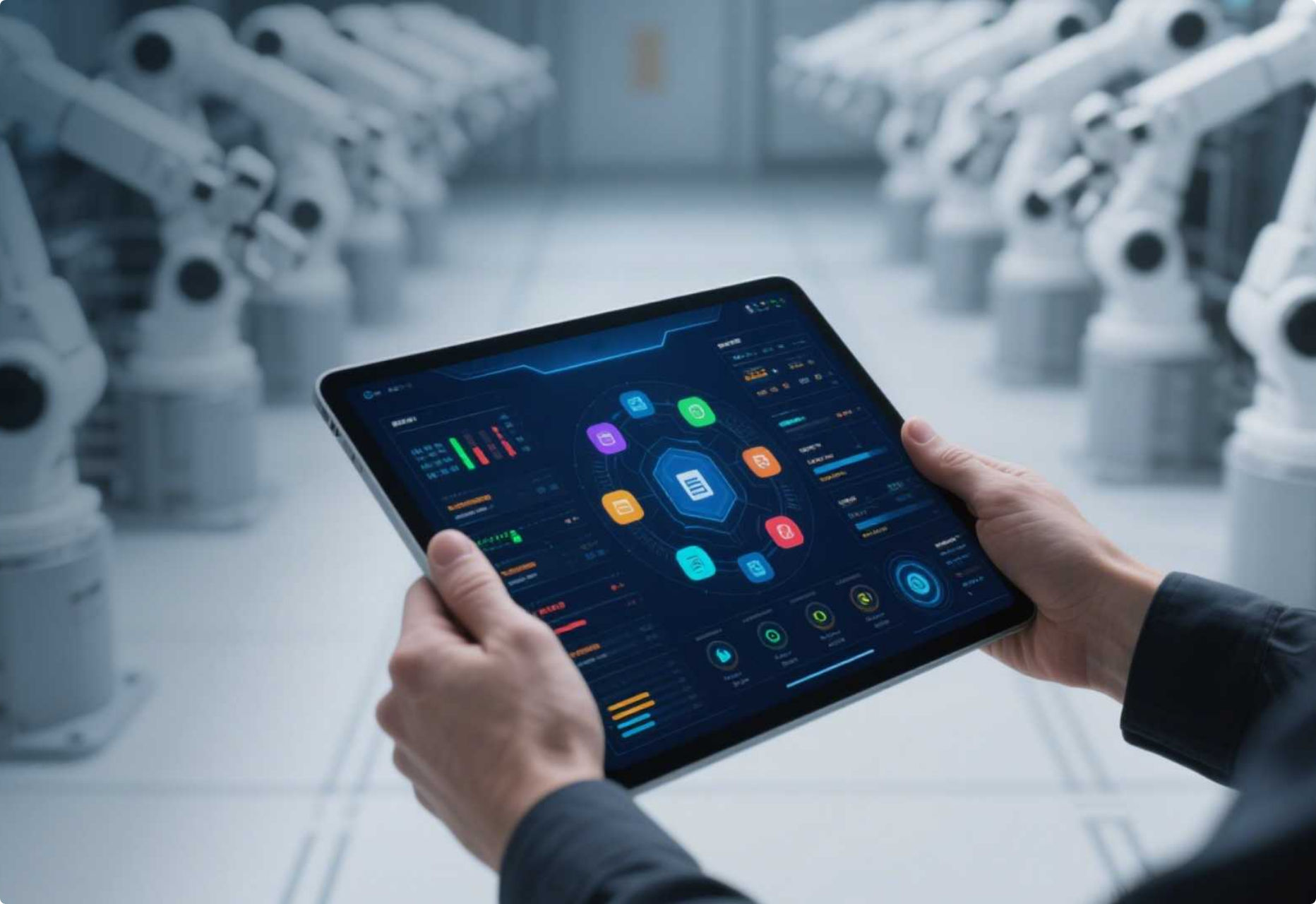
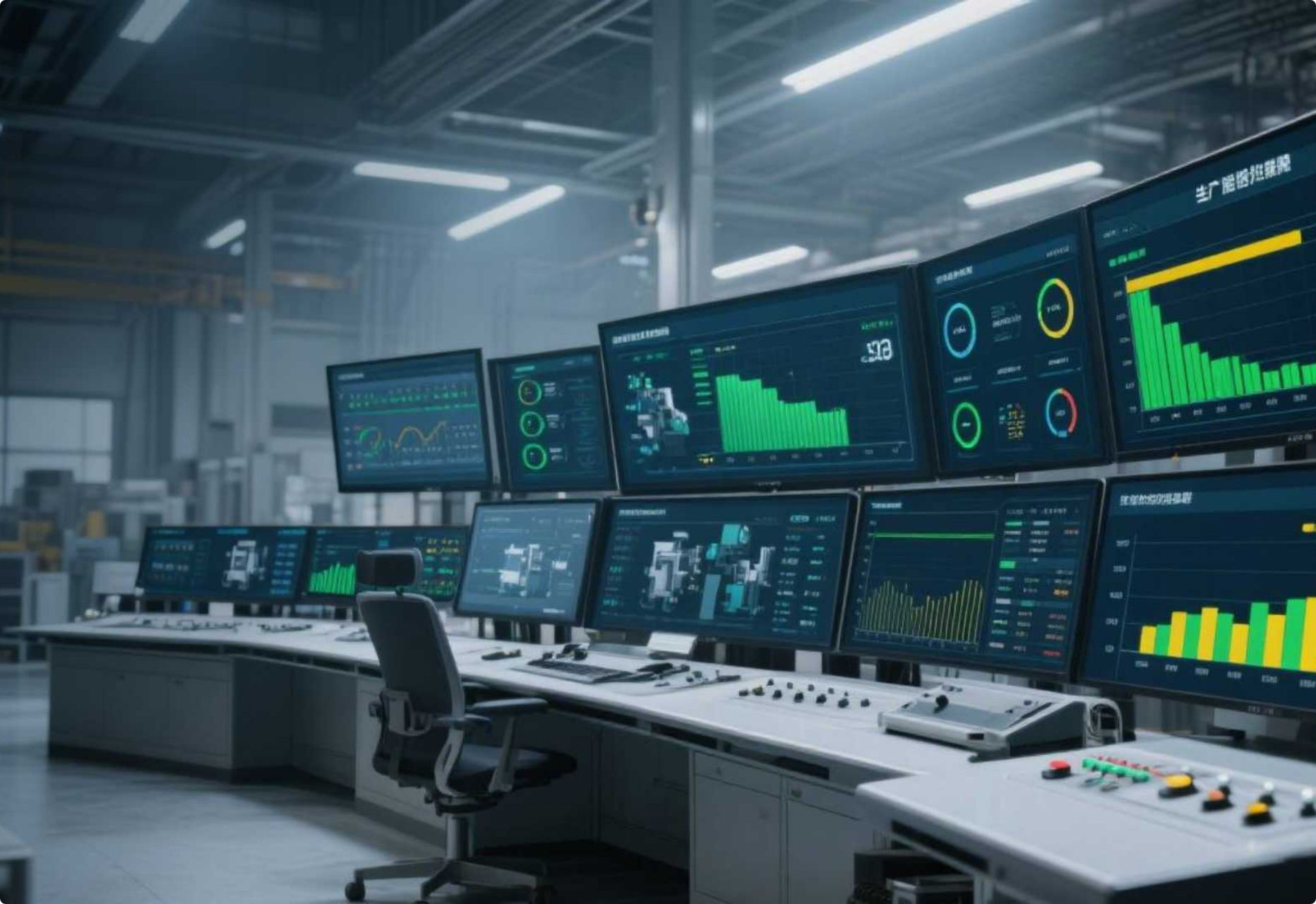
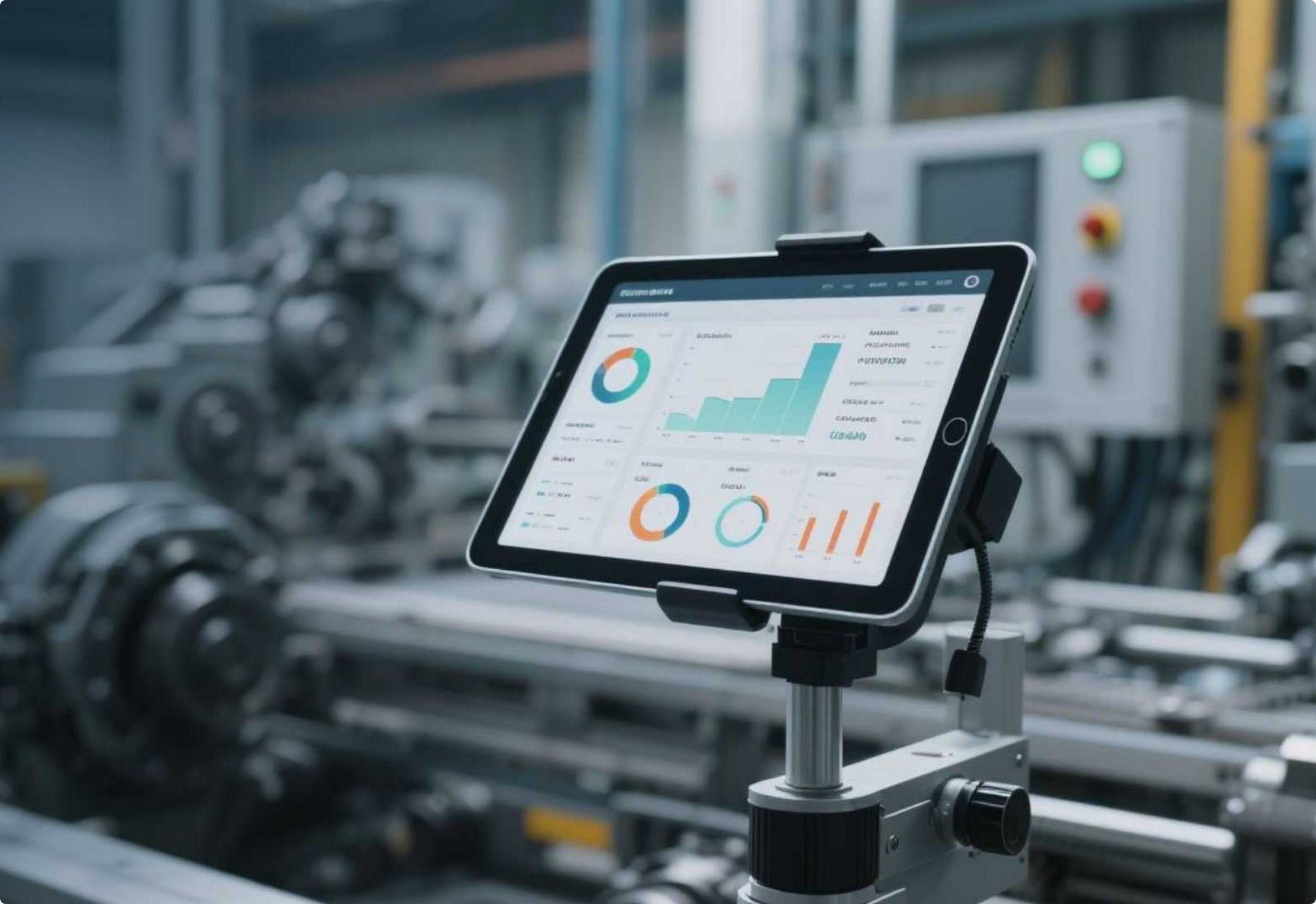
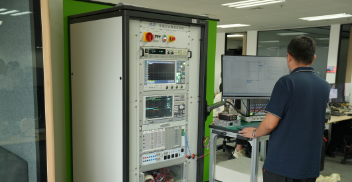
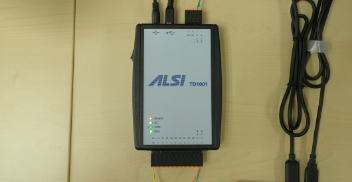
Data collection is the first step in the digital transformation of factories. The equipment status monitoring system developed by Alps System Integration (Dalian) Co., Ltd. (abbreviated as "ALSI") is a real-time data acquisition system that combines IT technology, IoT technology, and big data technology. Without the need for equipment modification, it can achieve real-time monitoring of the status of smart factory production lines, enabling problems to be discovered and resolved quickly.
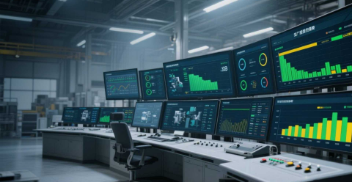
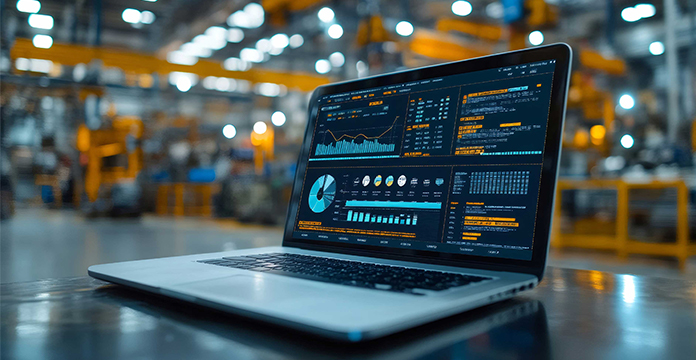
Data analysis is the core link in the digital transformation of factories. Based on ALPSALPINE's non-inductive data collection, the ALSI big data analysis solution uses ALSI's unique intelligent algorithms to perform correlation analysis on various types of data on the manufacturing site across three time dimensions: past, present, and future. Through data visualization and data value-added applications, it provides rule summaries, status displays, and execution suggestions, providing a basis for management decision-making, production execution, and process control.

The digital transformation of factories is not just about collecting and analyzing data; it also requires establishing a complete data management system, including data storage, data processing, data sharing, and other aspects. This ensures the security and effectiveness of data, achieves data sharing and collaboration, and promotes the in-depth development of digital transformation. The one-stop smart factory solution provided by ALSI helps manufacturing factories eliminate "data silos."
With the rapid development of the digital economy, smart factories will become an important engine for the development of China's industrial economy, providing strong support for the transformation and upgrading of China's economy from high-speed growth to high-quality development. Therefore, we should further strengthen the research, development, and application of digital technologies, promote the deep integration of the digital economy and the industrial economy, and create more favorable conditions for the construction and development of smart factories. We believe that under the guidance of the policy proposed by the Premier of the State Council to support the development of the digital economy, smart factories will usher in better development opportunities.