

 Products & Services





 400 676 5650
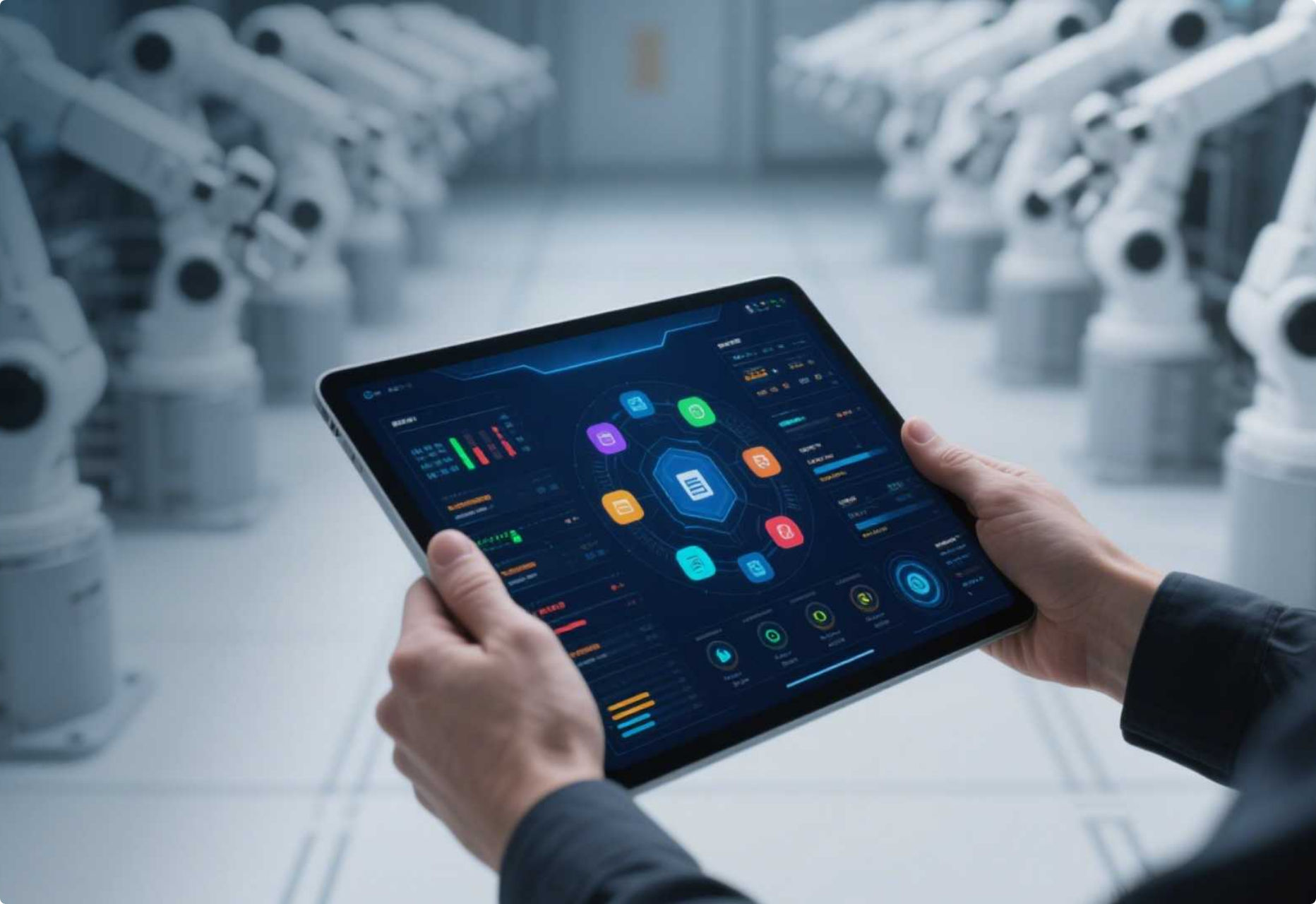
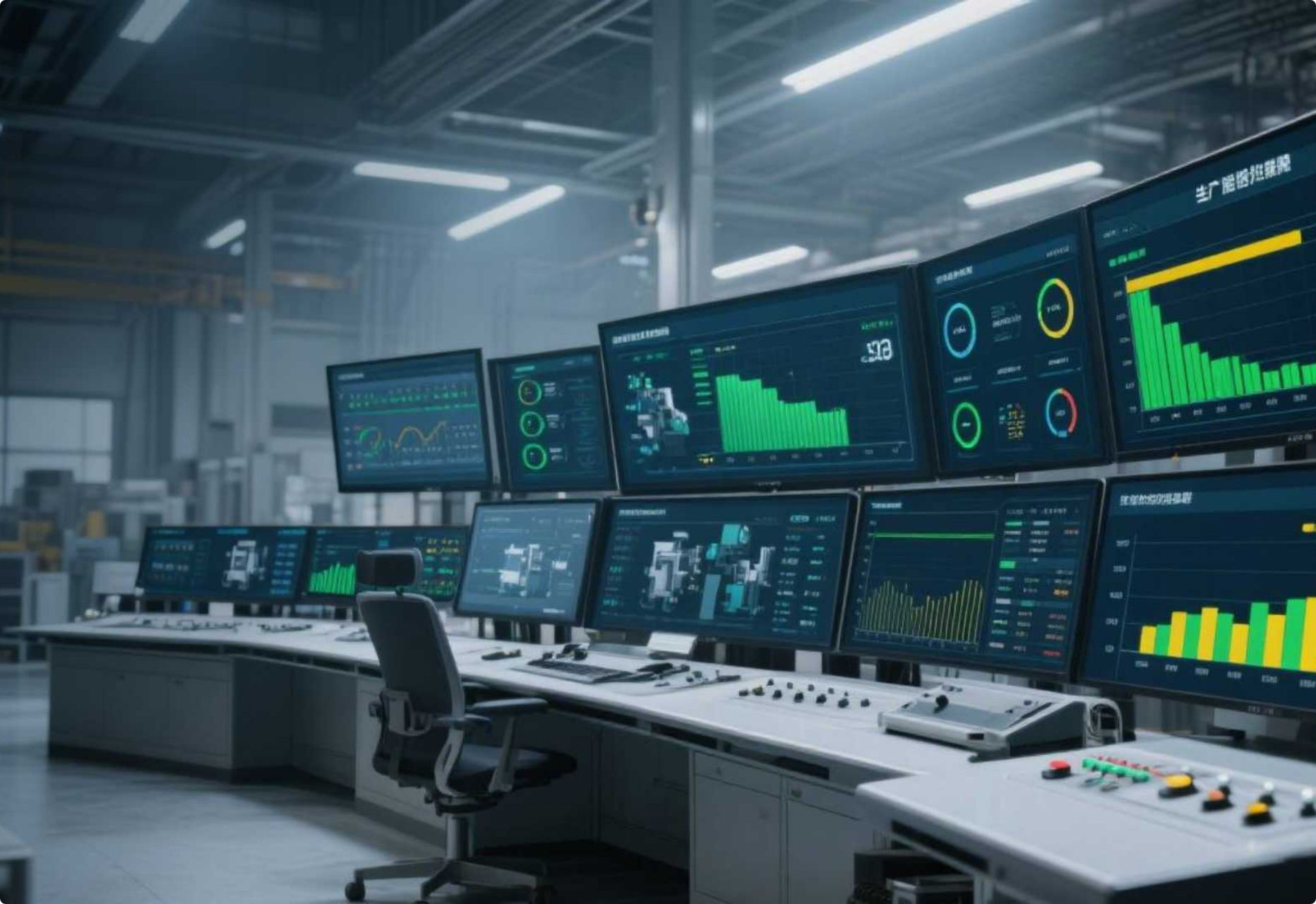
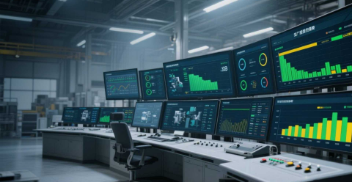
In recent years, the field of intelligent manufacturing has ushered in a new wave of development. To improve production efficiency and reduce costs, many factories have begun to introduce various intelligent equipment and technologies to build smart factories. Building a smart factory has become a necessary path for the high-quality development of the manufacturing industry. However, to push intelligent manufacturing to new heights, it is still necessary to further enhance the "IQ" of equipment, making smart factories even more intelligent.
In the development of smart factories, Germany is often regarded as a leader. Recently, an automobile manufacturer named Daimler introduced a technology called "Factory 360" at its German plant. This technology collects all data on the production line and uses artificial intelligence (AI) for analysis and optimization. Daimler hopes to improve the production efficiency of smart factories and further reduce manufacturing costs through this method.

In a horizontal comparison with other countries, to truly realize the intelligence of China's smart factories, it is still necessary to further enhance the "IQ" of equipment. Specifically, this includes the following aspects: First, improving the perception capability of equipment. Currently, although most factory equipment can perform autonomous control, they do not have good perception of external environmental changes. Therefore, future research should focus on how to equip equipment with stronger perception capabilities, such as the ability to sense temperature, humidity, lighting, and other information. Second, improving the learning capability of equipment. At present, many factory equipment in China can only perform single tasks and cannot adapt to environmental changes. How to equip equipment with stronger learning capabilities, enabling it to autonomously adapt to environmental changes and achieve higher flexibility, remains a problem that smart factories need to solve during their development. Third, improving the communication capability of equipment. In smart factories, efficient communication and collaboration between various equipment are required. Future research should focus on how to enable better communication capabilities between equipment to improve the overall production efficiency and quality of the factory.

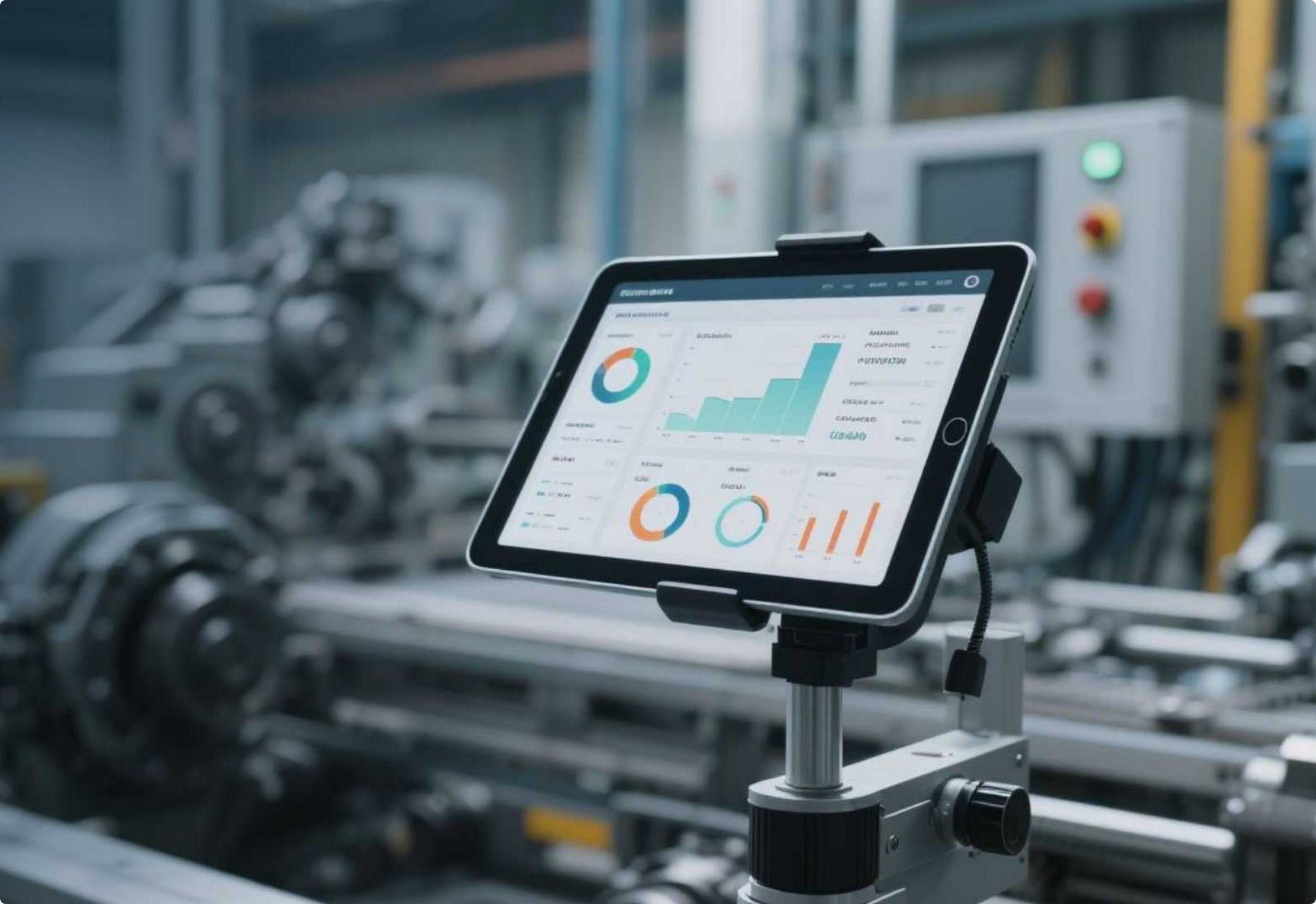
Although the development of smart factories still faces many challenges and difficulties, with the continuous progress and innovation of technology, the realization of smart factories has become a trend and development direction for the manufacturing industry. Alps System Integration (Dalian) Co., Ltd. (referred to as "ALSI"), based on a deep understanding of the manufacturing site and the actual development of local enterprises, tailors the most suitable smart factory transformation and upgrade solutions for them. Adhering to the lean philosophy, starting from the manufacturing site and the actual factory conditions, ALSI focuses on the digital construction path suitable for the manufacturing industry, helping enterprises connect various production links and guiding them on the path of smart factory transformation and upgrade.