

 Products & Services




 400 676 5650
Recently, the State Taxation Administration and the Ministry of Finance jointly issued the "Announcement of the State Taxation Administration and the Ministry of Finance on Continuing to Defer the Payment of Some Taxes and Fees for Small and Medium-sized Manufacturing Enterprises". The complex market situation has had a significant impact on small and medium-sized enterprises. With the support of major policies, SMEs are also seeking a path to self-rescue, and the reform of Smart Factory is undoubtedly one of the best options. Smart Factory breaks the traditional factory production and management model, moving factories from supply to delivery into the era of data management, enabling smart factories to stand firm in complex situations through lean production.
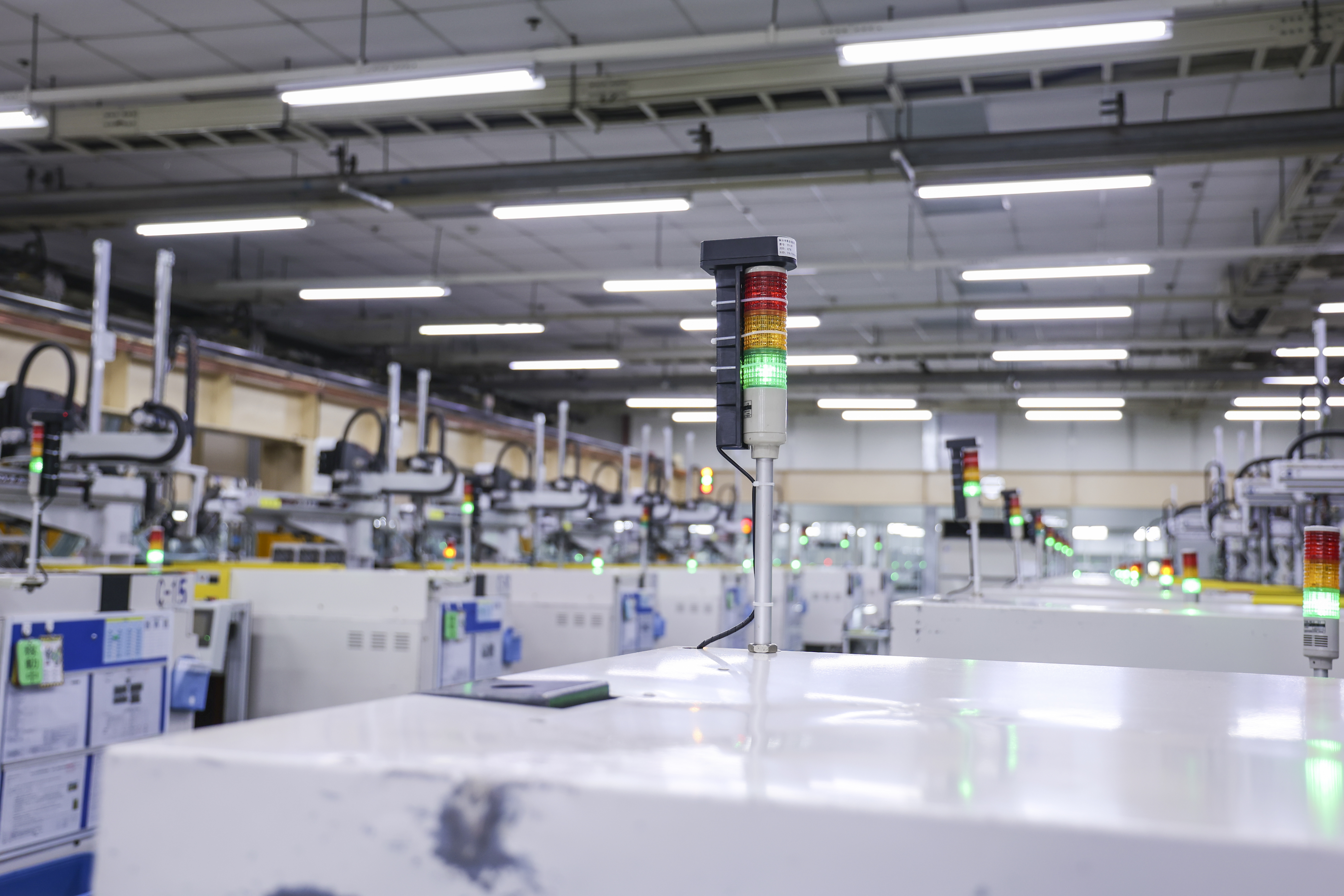
The volatile market caused by the sudden outbreak of the epidemic may stagnate at any time, and the complex international situation adds layers of obstacles to imports and exports. In such an environment, small and medium-sized enterprises need to constantly balance production capacity and supply, adapting to market changes through precise production batches and rapid production line response. This places very high demands on the company's lean production capabilities. How to leverage the Smart Factory reform to achieve maximum efficiency in production line resources, maximize enterprise capacity, while also dealing with sudden issues such as order insertions and modifications, is the core focus of the transformation for SMEs to establish a foothold.
Traditional production scheduling systems mostly focus on financial data, assuming that the enterprise's resources are sufficient during production, idealizing the entire production process, and scheduling production based on infinite capacity standards. However, in reality, the production situation of enterprises is usually affected by many factors, especially for small and medium-sized enterprises, where the impact of factors such as supply, labor, and hardware is more significant. Fluctuations in factors that are trivial for large enterprises are very likely to affect the ultimate survival of SMEs. Under such circumstances, traditional production scheduling solutions are no longer applicable, and the APS (Advanced Planning and Scheduling) system, which is based on production data with finer data granularity, begins to show its effectiveness.
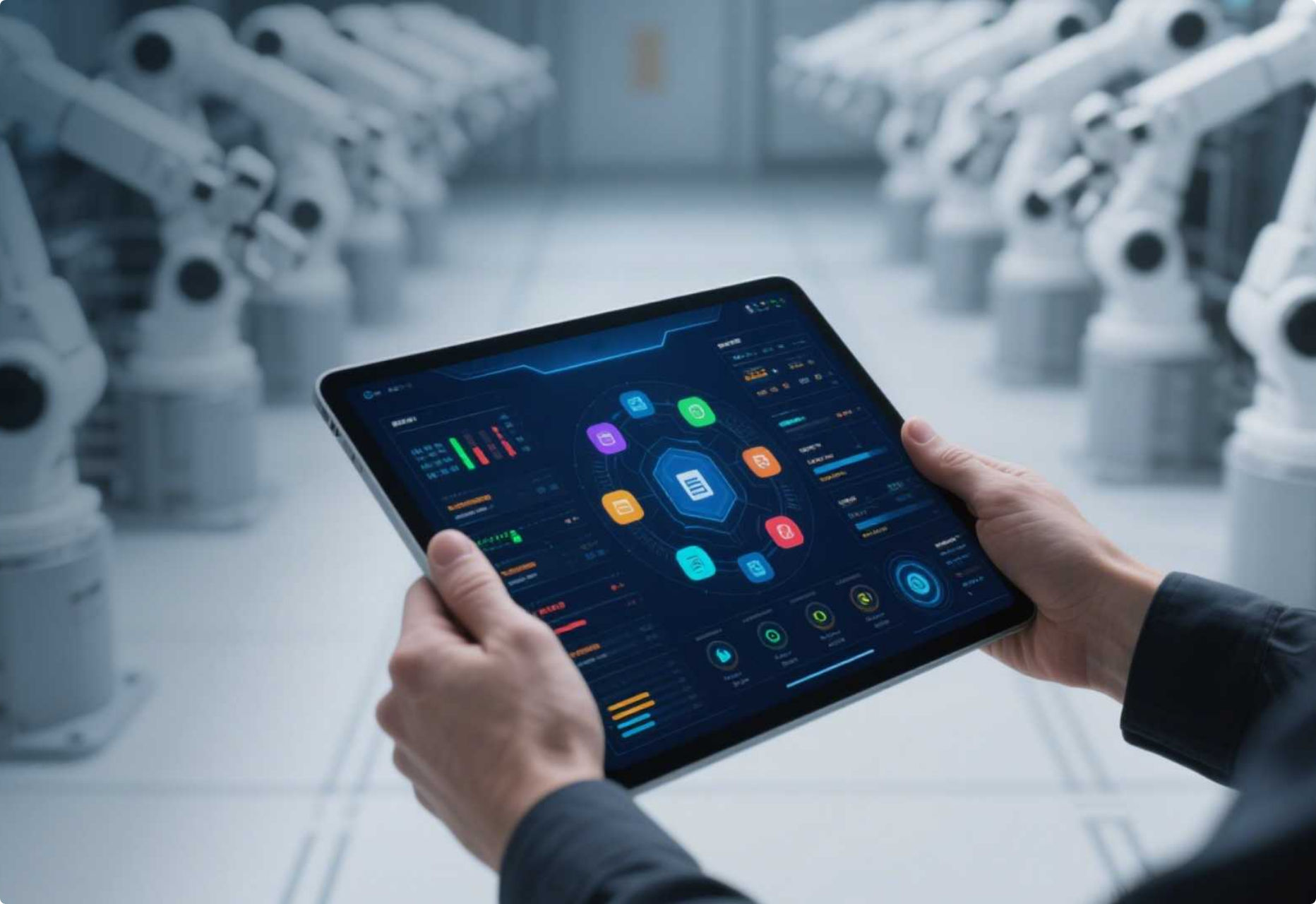
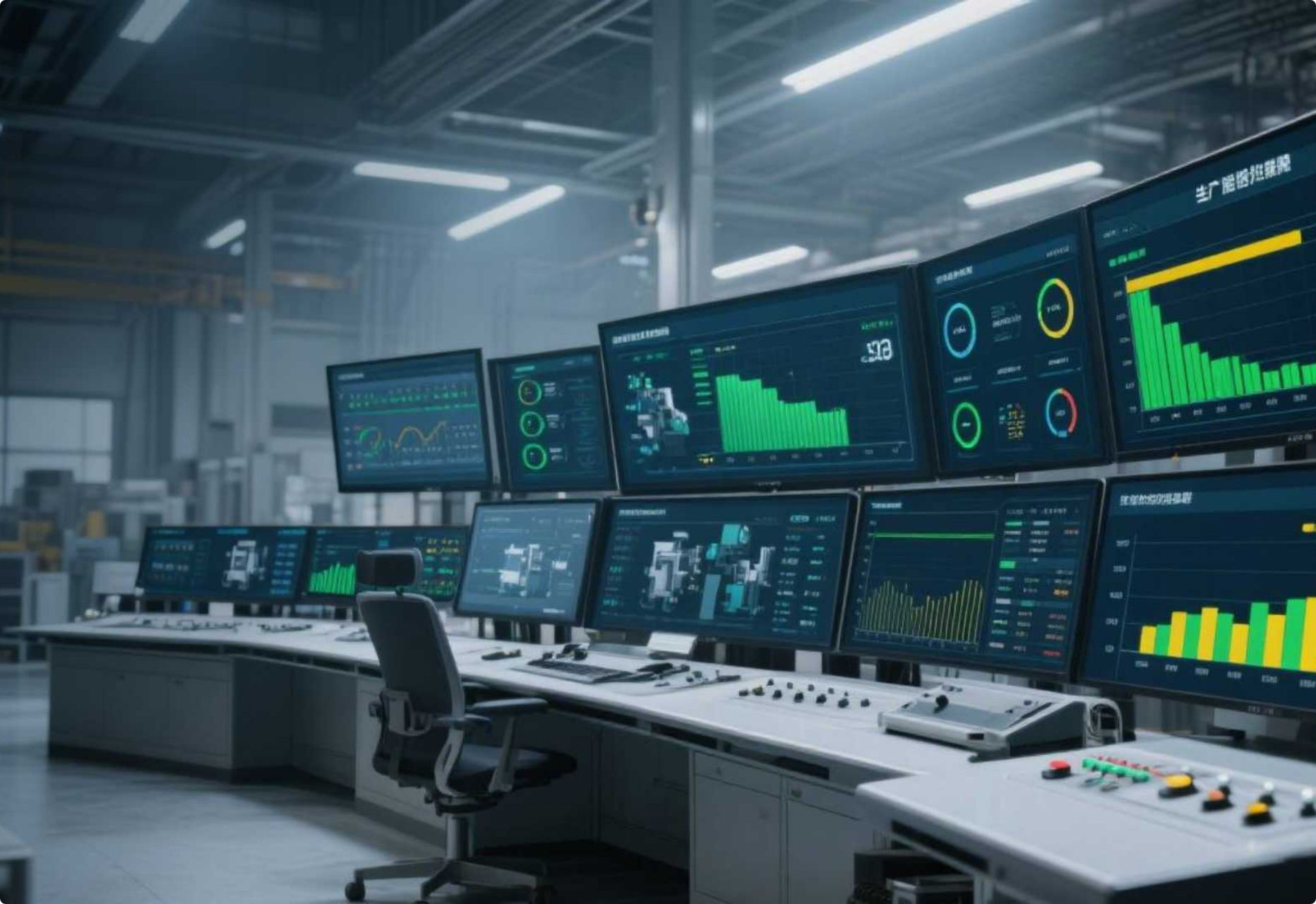
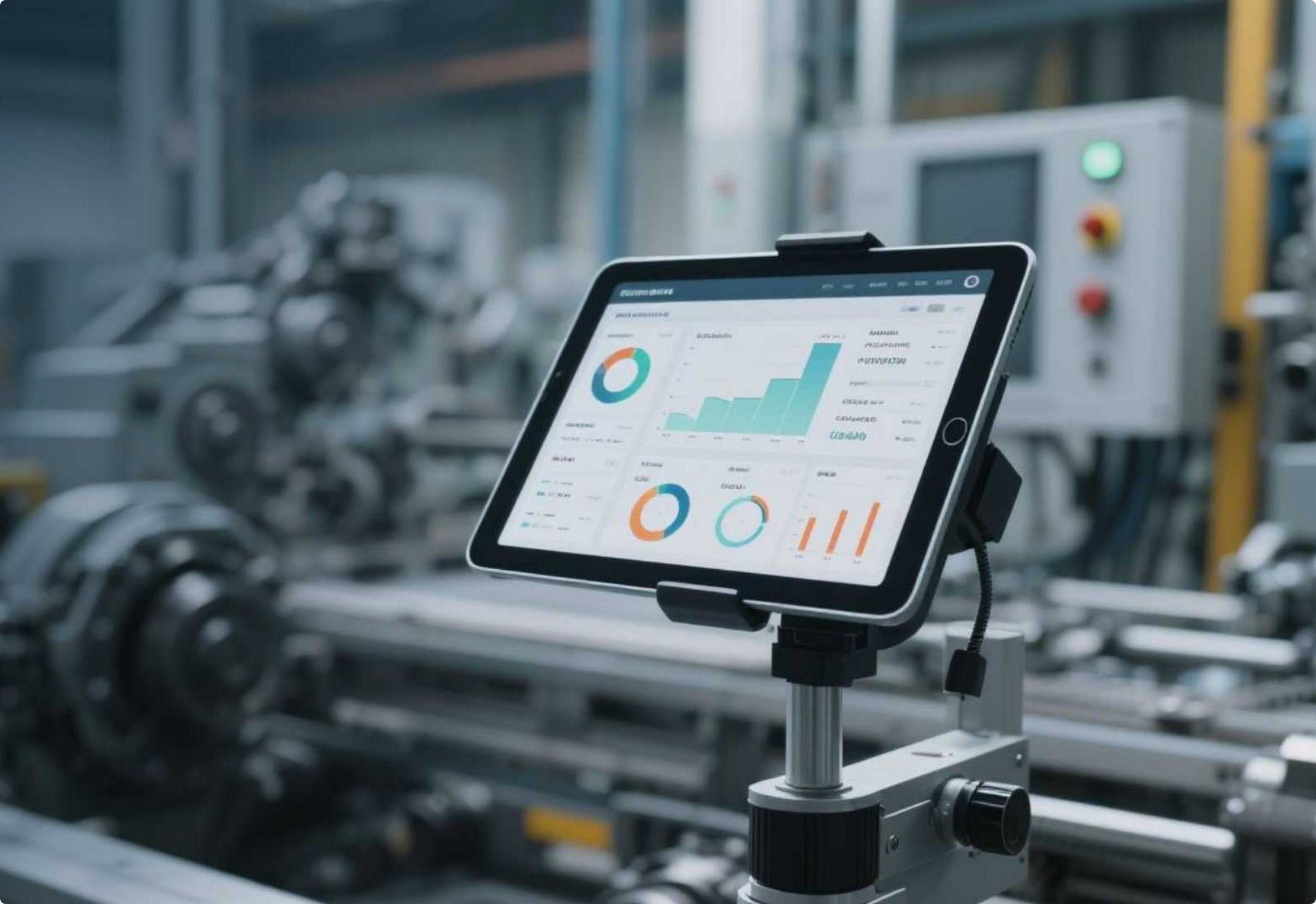
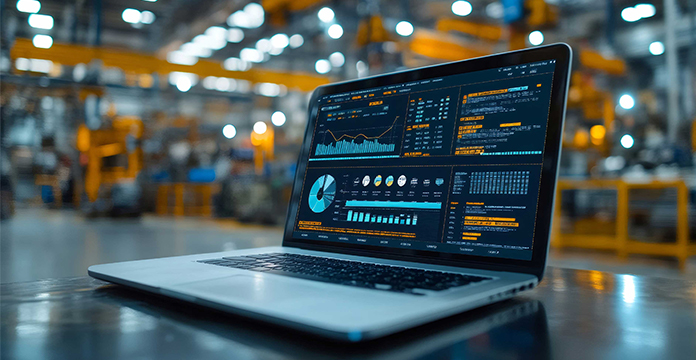
The APS production scheduling system introduced by the Smart Factory can input detailed data from the production site more comprehensively, uniformly allocate required resources, and ensure that factory resources are scheduled into production plans only when available. This makes the usage of key production resources in the smart factory more reasonable and maximizes enterprise capacity. At the same time, it precisely adjusts supply according to order situations, promptly responds to order insertions and other issues, minimizing inventory and reducing production costs.
The lean production advantages brought by the Smart Factory to enterprises are obvious, but issues such as high cost and long implementation cycles still deter many SMEs. Alps System Integration (Dalian) Co., Ltd., leveraging over 30 years of manufacturing service experience, has launched a standardized APS production scheduling system product. Utilizing the SaaS platform, it achieves modular services, greatly reducing the cost for SMEs to implement Smart Factory reform. By moving to the cloud, it lowers the requirements on local enterprise infrastructure, allowing more SMEs to achieve lean production worry-free in a complex market environment.