

 Products & Services



 400 676 5650
Amid escalating global trade frictions and the persistent pressure of US tariff wars, Chinese manufacturing enterprises face mounting challenges such as rising costs, fluctuating overseas orders, and heightened risks of supply chain disruptions. Achieving self-controlled supply chains, enhancing production efficiency, and ensuring stable operations through technological means have become core issues for business survival and growth.
I. Escalation of Tariff Wars: China's Challenges Amid Reshaped Global Trade Landscape
On April 9, 2025, the United States announced a 145% tariff hike on Chinese goods, covering sectors including machinery, electronics, minerals, and chemicals. This tariff escalation far exceeded market expectations, approaching the highest levels in global trade history since 1919. It is projected to push US inflation up by 1.9 percentage points and reduce its GDP growth by 1.3 percentage points. As the world's manufacturing hub, China must navigate the dual pressures of shrinking external demand and rising costs, leveraging industrial upgrades and domestic demand to achieve stable development and strategic breakthroughs.
II. Fourfold Pressure on Chinese Manufacturing from Tariff Wars
01 Order Fluctuations: Unpredictable Delivery Rhythms
Rapid changes in the international landscape make order volumes and delivery timelines harder to predict, especially for industries with high export dependency on the US, such as textiles and machinery. Enterprises need flexible production plans to tackle the challenges of "small batches, high frequency, and high customization," ensuring timely product delivery.
02 Supply Chain Instability: Increased Risk of Disruptions
Global supply chains are prone to volatility or even fractures under external pressures. Delays in the delivery of critical components and rising prices can affect overall production progress and increase operational risks. Enterprises must swiftly establish stable supply chain systems, achieve domestic substitution of core components, and diversify local supply sources to ensure continuous and stable production.
03 Inventory Imbalance: Cash Flow Pressure
The dilemma of "no materials to produce, materials piling up without orders" exacerbates inventory management complexity amid order fluctuations and rising raw material costs. Excessive stockpiling ties up capital, while material shortages affect delivery. Balancing supply and inventory becomes a critical challenge.
04 Cost Squeeze: Traditional Management Falls Short
Tariffs combined with rising raw material prices have driven profit margins down by over 20% in some industries. Traditional extensive production management is no longer viable. Enterprises must adopt more scientific equipment utilization and efficient planning execution to achieve "cost reduction and efficiency gains," maximizing the value of every kilowatt-hour and every machine.
III. Harnessing Intelligence: APS as a Dual Engine for "Stable Production + Cost Control"
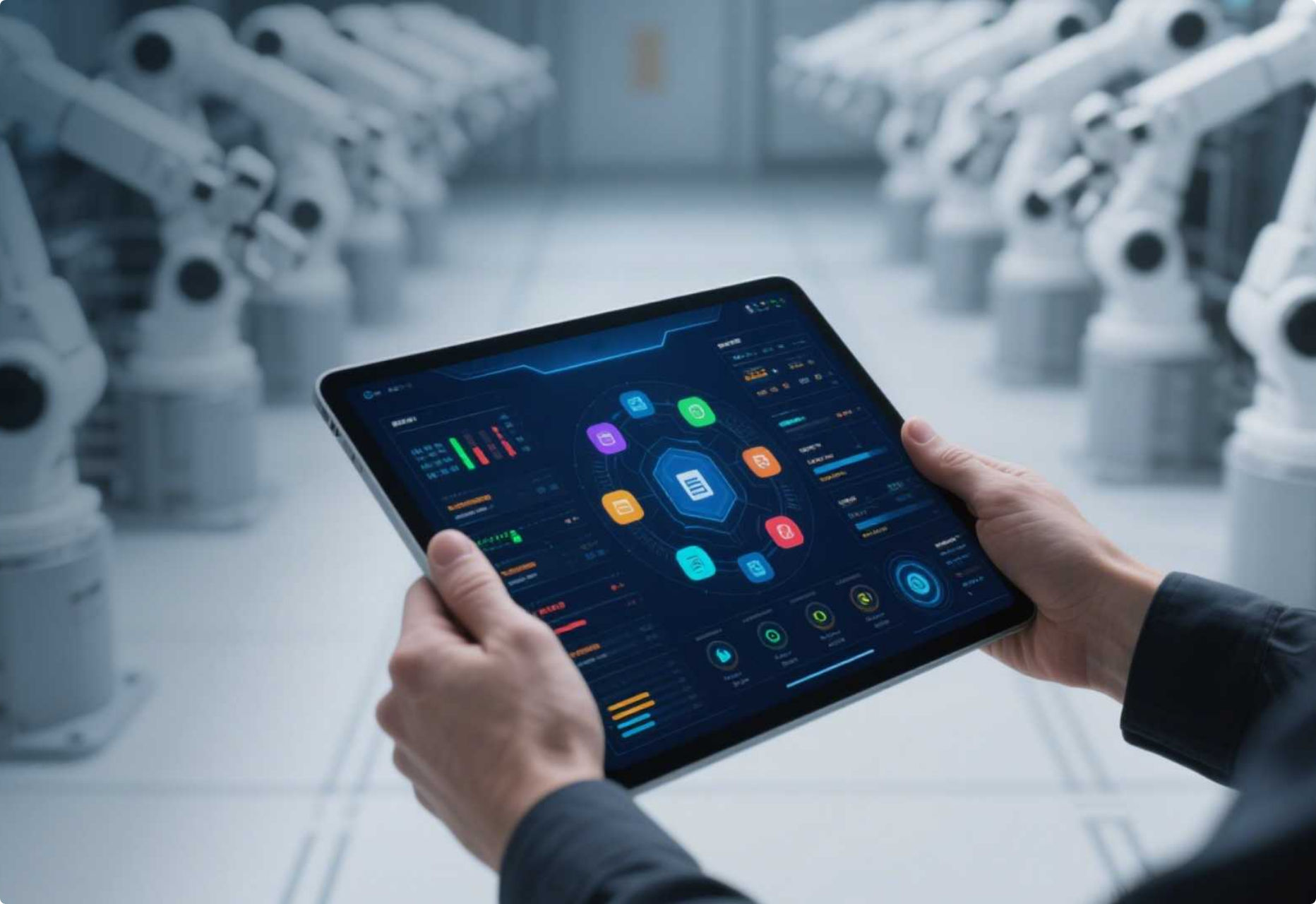
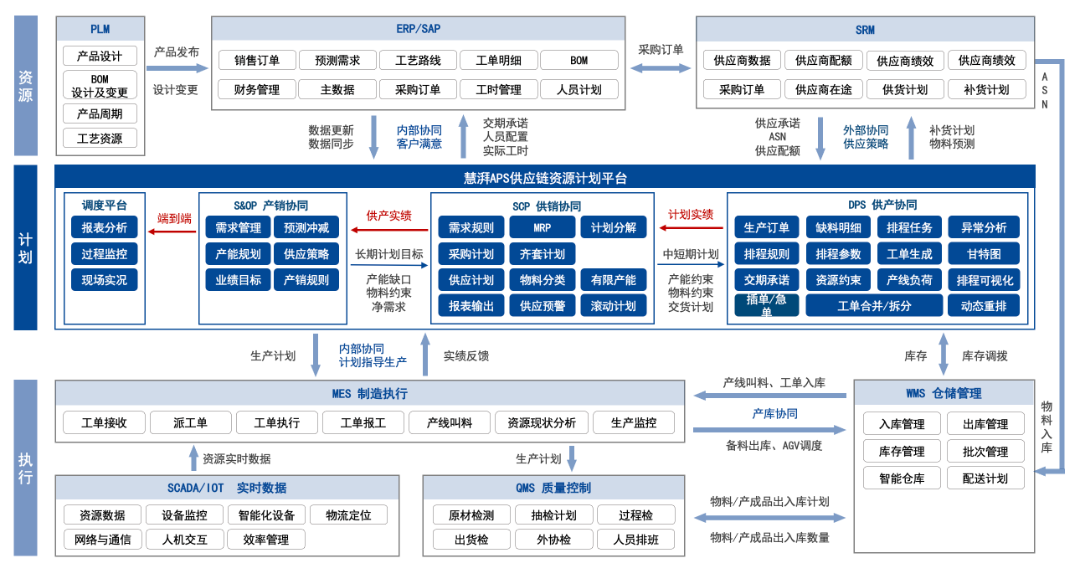
In the face of persistent uncertainty, the Huipai APS (Advanced Planning and Scheduling) solution—driven by planning and grounded in data—builds an integrated production-supply-marketing system that is "clear to see, agile to adjust, and manageable to control." This empowers manufacturers with precise supply chain orchestration, providing robust support for stable production and global adaptability.
01 Supply Chain Collaboration: Local Transformation, Autonomous Resilience
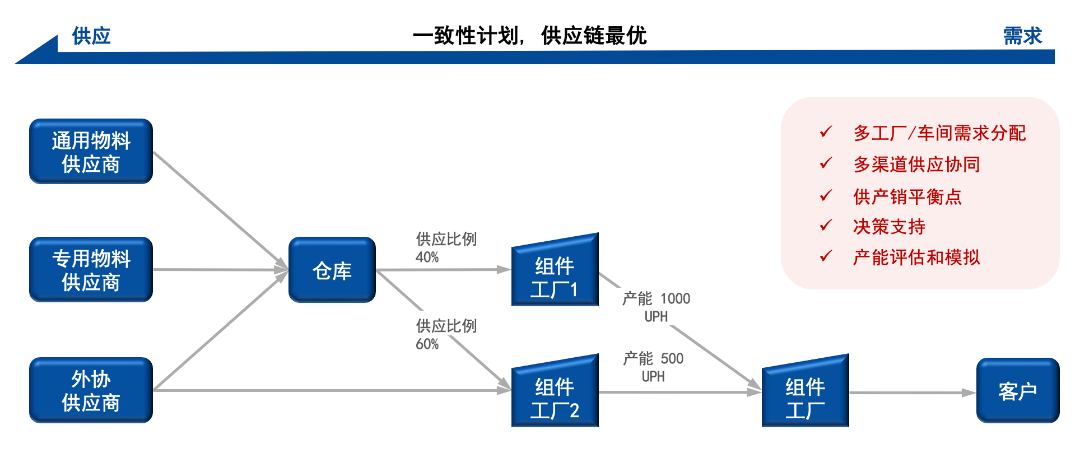
The SCP (Supply Chain Planning) module of Huipai APS enables multi-dimensional demand forecasting and alternative material configuration management for key components. Based on predefined supplier quotas and substitution ratios, it intelligently outputs procurement and production plans across different cycles, reducing dependency on high-tariff materials and enabling a smooth transition toward localized and domestic supply chains. Meanwhile, the S&OP (Sales and Operations Planning) system unifies production and sales balancing strategies, breaking down information silos among strategy, sales, planning, procurement, and production. It supports the construction of sales and supply models tailored to different regions or even countries, ensuring that as enterprises "go global," their "home base" remains stable, costs more controllable, and plans more executable.
02 Precise Orchestration: Dynamic Inventory Management, Efficient Resource Utilization
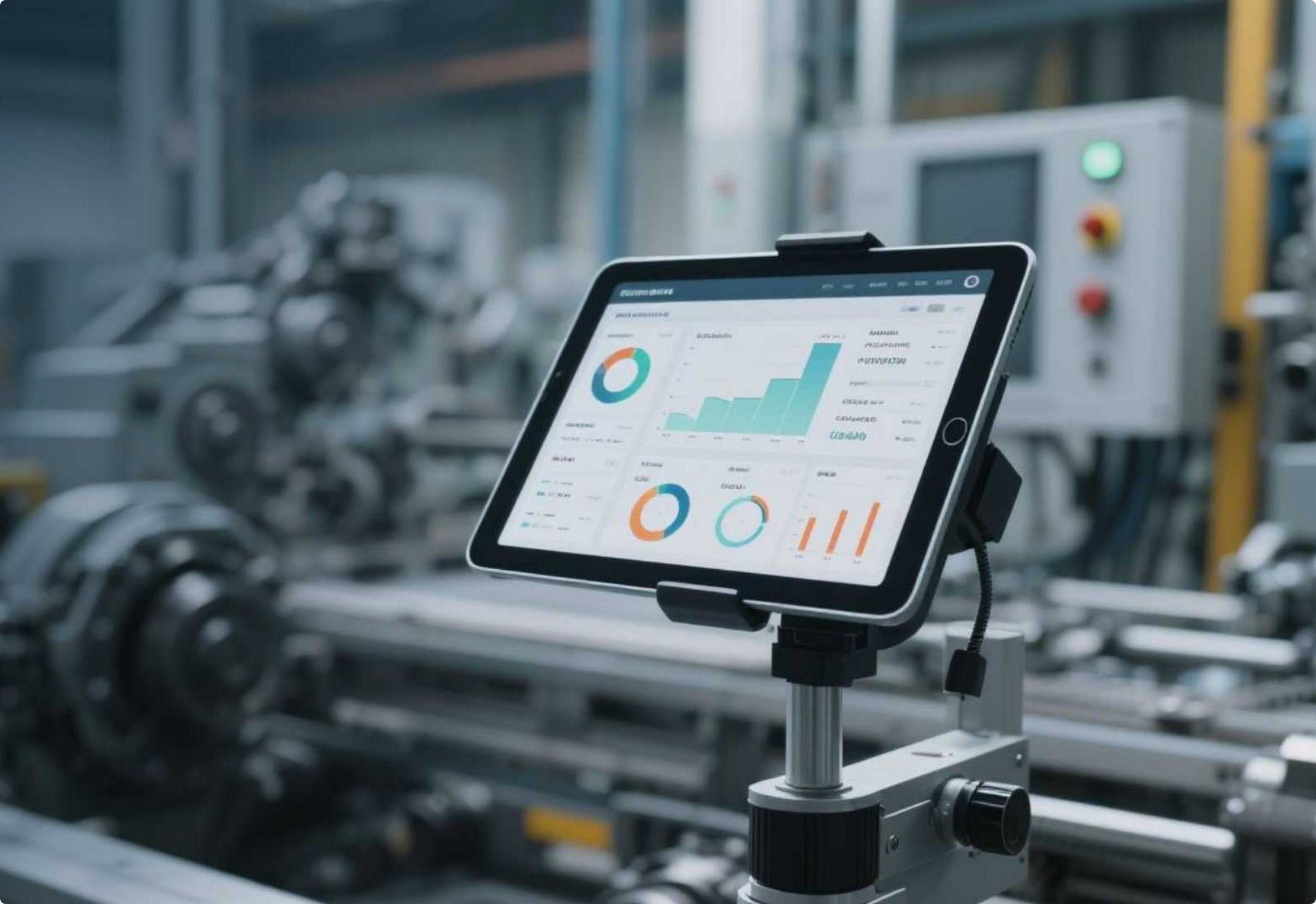
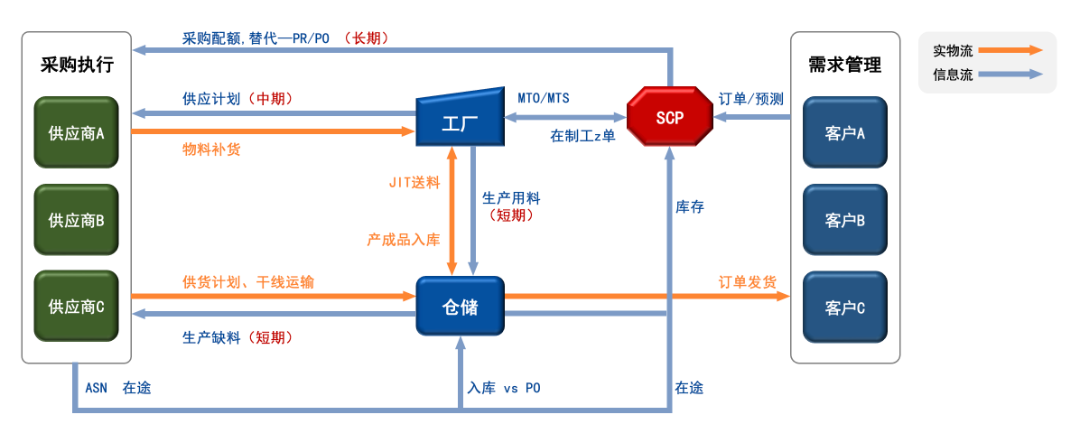
The dynamic inventory allocation optimization and real-time plan tracking features of the SCP system enable intelligent resource matching across multiple warehouses, factories, and countries. This ensures cross-regional material availability and capacity responsiveness, mitigating delivery risks caused by international shipping uncertainties and customs delays. By setting safety stock levels and inventory thresholds, the system automatically triggers replenishment plans when inventory runs low and issues risk alerts when below thresholds, balancing production continuity with inventory reduction. Particularly in times of uncertain demand, the system helps dynamically adjust procurement and capacity strategies, avoiding capital pressures from blind stockpiling.
03 Intelligent Scheduling: Flexible Plans, Faster Response
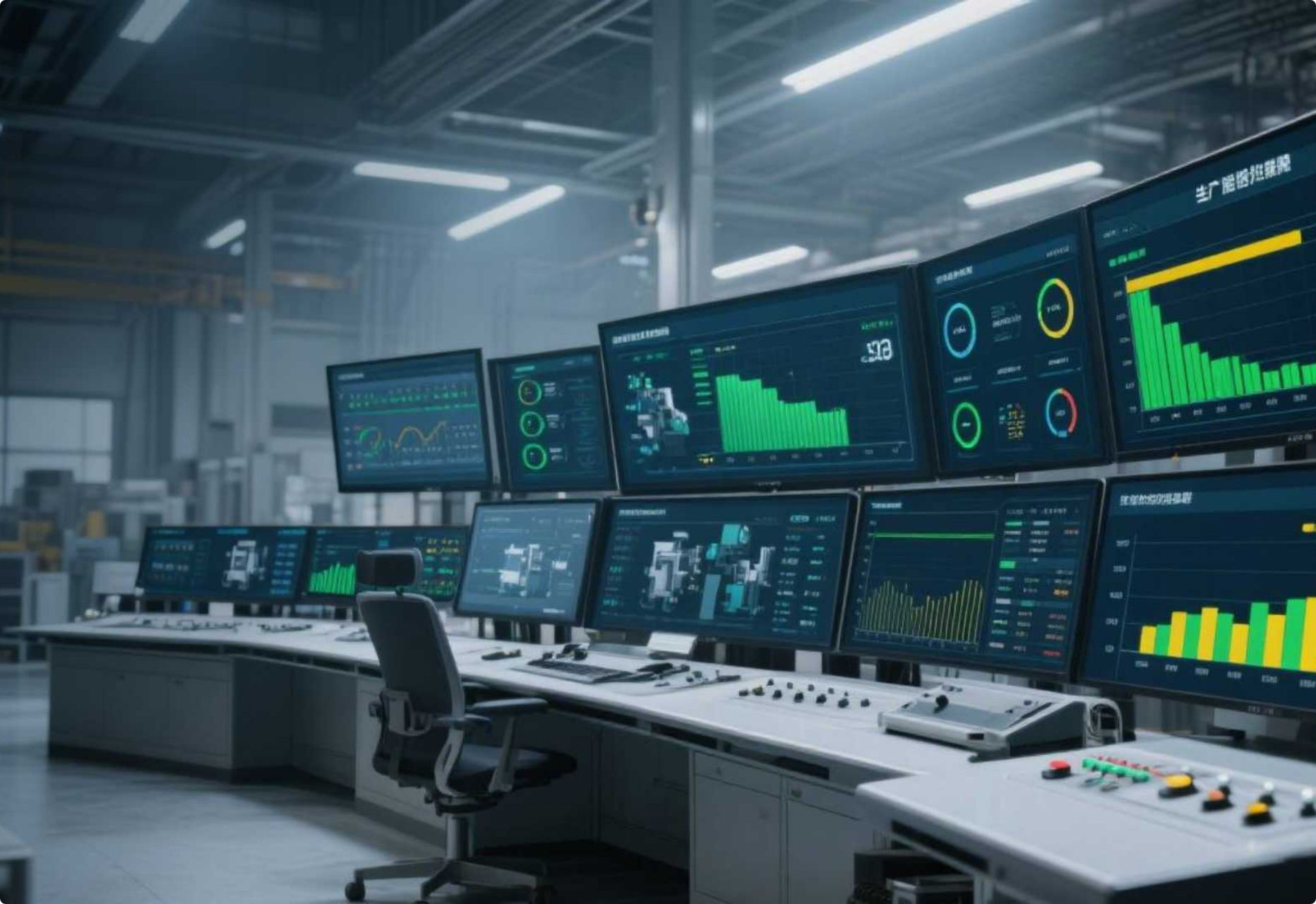
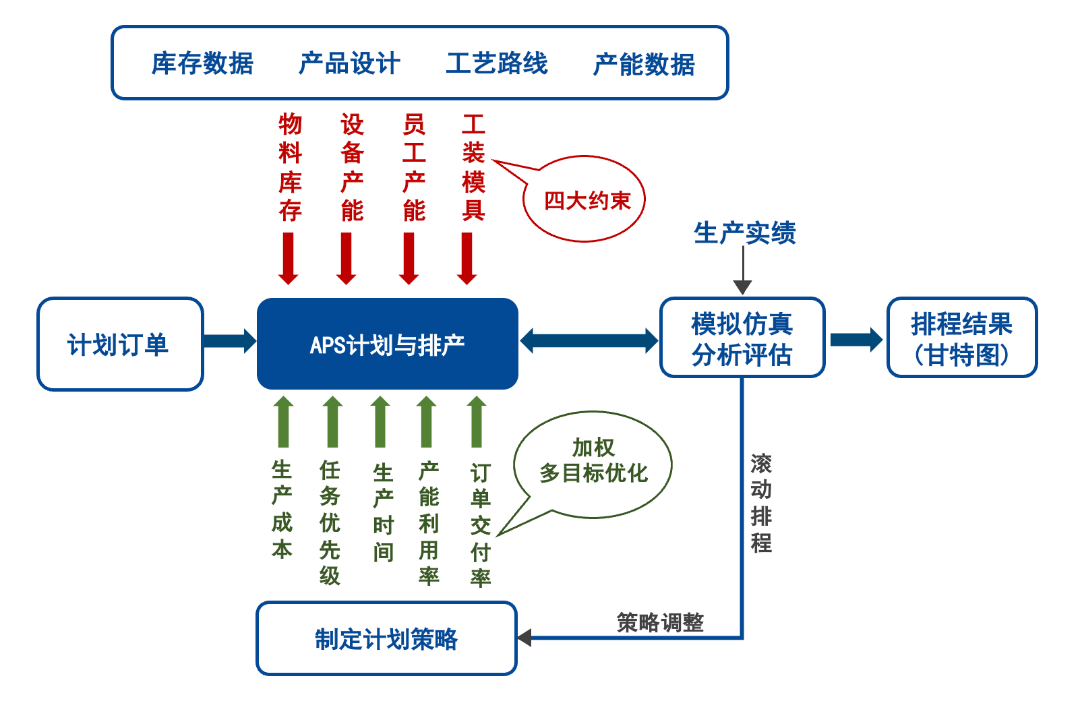
Huipai APS, integrating lean production management principles with heuristic intelligent algorithms, monitors equipment status and order progress in real time. It intelligently schedules resources based on process and resource constraints, achieving dynamic synchronization of "orders, capacity, and inventory." Whether handling order surges or sudden changes, the system delivers minute-level responses. For ad-hoc orders or order modifications, it can quickly reschedule, preemptively assess risks, and provide data-driven decision support for management. The DPS (Detailed Production Scheduling) module of Huipai APS also enables simulation of different production scenarios, helping enterprises estimate delivery dates, foresee delay risks, and make more scientific production decisions in volatile markets—ultimately driving efficient cross-factory collaboration and cross-regional capacity deployment.
IV. Intelligent Planning Steward: Dahui

To further enhance user experience and planning intelligence, Huipai APS introduces "Dahui," an AI-powered intelligent steward based on DeepSeek. Dahui quickly understands user intent, queries system data, assists in planning parameter settings, and even offers optimization suggestions and risk alerts. Whether you are a production manager or a planning specialist, you can interact efficiently with Dahui through natural language, making the complex APS system "easier to use and more efficient for decision-making."
V. Resilient Supply Chain: Building New Barriers for Chinese Manufacturing
The tariff war is forcing Chinese manufacturing to undergo deep transformation—from "passively reacting" to "actively restructuring." Huipai APS, driven by planning and centered on intelligent scheduling, helps enterprises build a digital, flexible, and predictable supply chain system, enabling them to navigate uncertain cycles and seize global opportunities ahead of competitors.
Those skilled in warfare triumph without visible moves. In turbulent times, only by wielding data as an oar and intelligence as a sail can one ride the winds and waves, sailing steadily toward a prosperous future.