

 Products & Services





 400 676 5650
On modern production lines, production schedules are particularly important. Against this backdrop, a variety of visualization devices emerge, such as different types of indicator lights, among which tri-color signal lights are the most common. With tri-color lights, operators can quickly understand the operating status and fault conditions of equipment, enabling timely measures for troubleshooting, thereby optimizing production schedules and boosting capacity. But have you ever wondered: When the tri-color light shows green, is the equipment truly running at full capacity? This article will reveal the truth behind the "false green light" and explore how to improve capacity through optimized production schedules.
Many factory owners mistakenly believe that a green tri-color light on equipment means it is functioning normally. However, this perception is often misleading. For automated machinery such as molding machines and injection molding machines, the tri-color light typically only detects voltage signals. As long as the equipment is powered on—regardless of whether it is actually processing—the green light will illuminate.
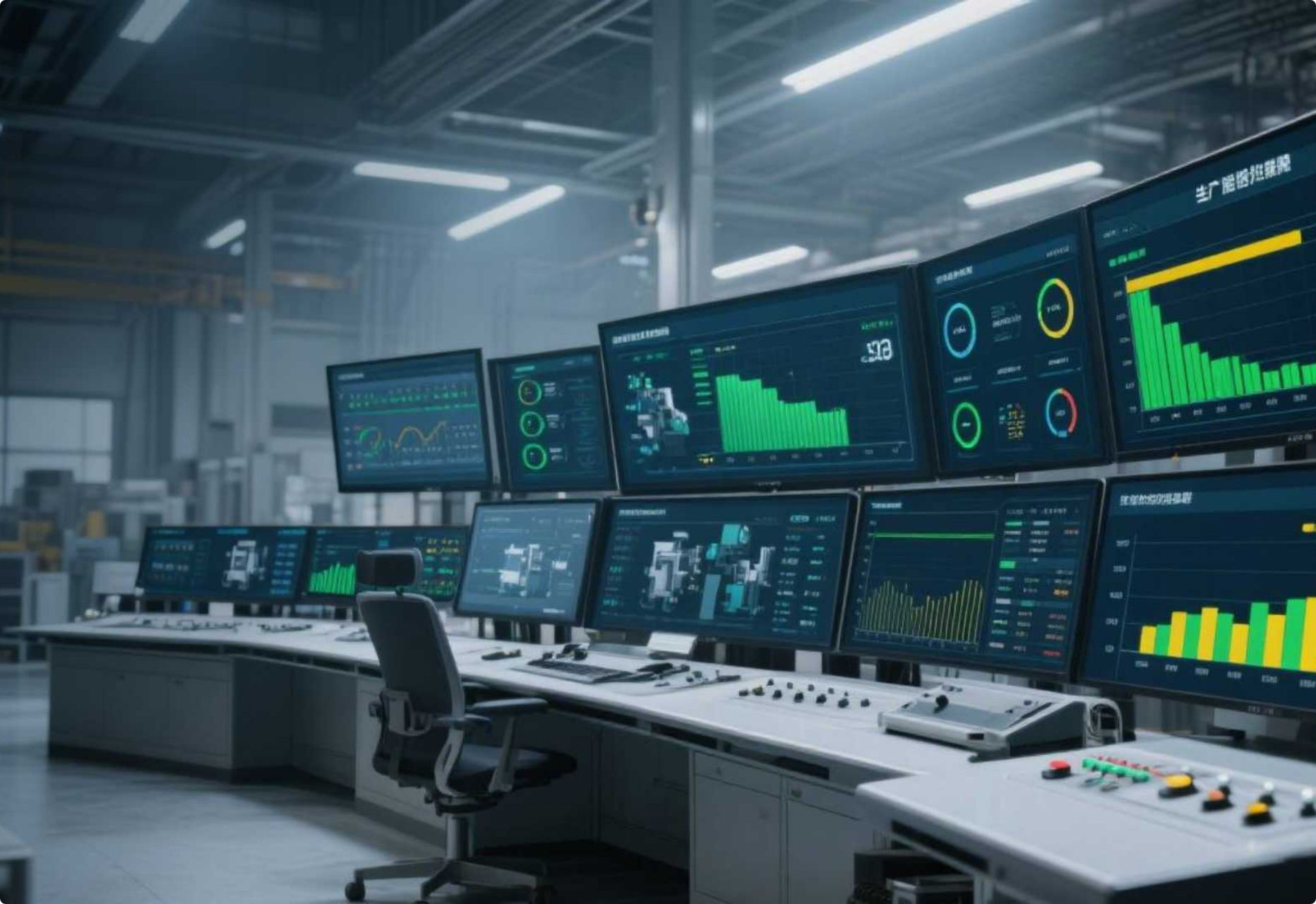
To correctly identify the "false green light" status, we need to simultaneously monitor two data points: the tri-color light and the production output. By analyzing these metrics in real time, we achieve two goals: first, precise management—knowing exactly which equipment is truly running at high efficiency; second, enhanced production efficiency—reactivating idle equipment for production.
Now that we understand the "false green light" phenomenon, how can we boost capacity by optimizing production schedules? Here are some suggestions:
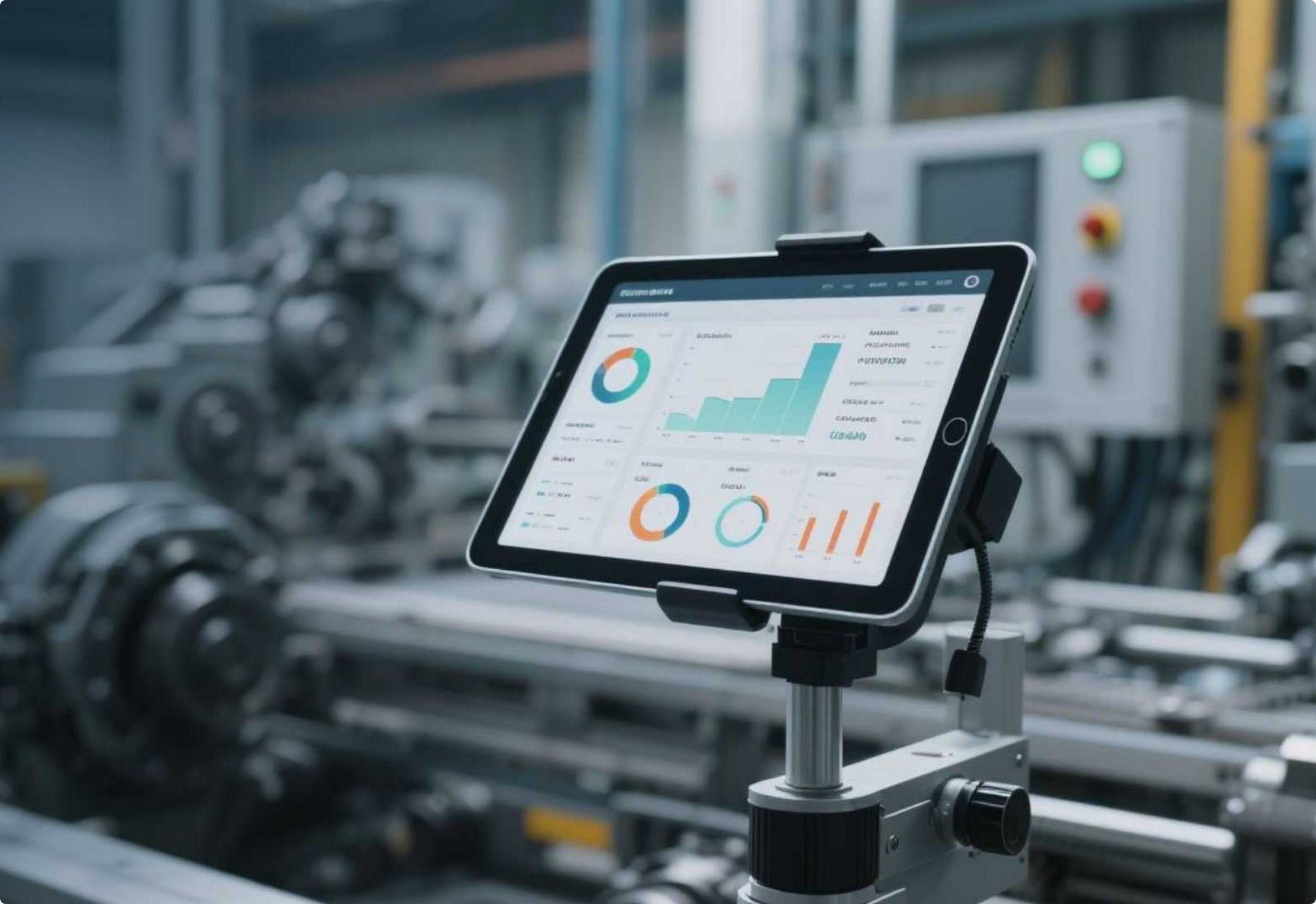
1. Real-time data monitoring: Use advanced production management systems to monitor equipment status and output data in real time. This allows us to detect and resolve potential issues promptly, ensuring smooth line operations.
2. Flexible schedule adjustments: Based on real-time data, adjust production schedules flexibly. When a piece of equipment is found idle, immediately assign it to the needed product line to improve utilization.
3. Routine equipment maintenance: Perform regular maintenance to keep equipment in good condition. This not only reduces breakdowns but also improves equipment efficiency.
4. Employee training: Enhance training on production equipment to improve operators' skills and safety awareness. This enables employees to operate equipment more proficiently, reducing the risk of errors and damage.
In a competitive market, optimizing production schedules and boosting capacity is a challenge every factory must face. By staying vigilant against the "false green light" trap and refining schedules, we can better utilize existing resources, increase efficiency, and stand out from the competition. In the same amount of time, a more detailed production schedule and higher capacity than competitors are the keys to success. Let’s work together to build more efficient and intelligent production lines!