

 Products & Services



 400 676 5650
In the development of modern manufacturing, the importance of production planning in optimizing equipment utilization is well-established. Have you ever seriously considered the loss a factory would incur if a piece of equipment worth hundreds of thousands of yuan sits idle for a day? How can planned production reduce such losses? This article will focus on the keyword "production planning" and discuss how factories can improve equipment utilization by optimizing production plans, thereby creating greater value for the enterprise.
Taking single-wipe wet tissue packaging production as an example, the latest equipment can produce 200-300 wipes per minute. If the equipment sits idle for a day, the loss amounts to up to 2.16 million wipes, directly increasing production costs and reducing profits. In modern industrial production, equipment is the primary productive force, and high-value equipment represents significant assets. Therefore, improving equipment utilization and reducing idle time is crucial for the survival and development of an enterprise. So how can we optimize production plans to "revive" idle equipment?
1. Timely Intervention for Abnormal Production Stoppages
To improve equipment utilization, the first step is to address abnormal production stoppages. In highly automated factories, a single worker often manages multiple production lines. When an abnormality occurs, relying solely on visual identification and walking to find the responsible person will significantly delay the resumption of production. Therefore, enterprises need to take measures to ensure timely intervention and resolution of abnormal stoppages.
2. Introducing Data Acquisition Terminals for Intelligent Monitoring
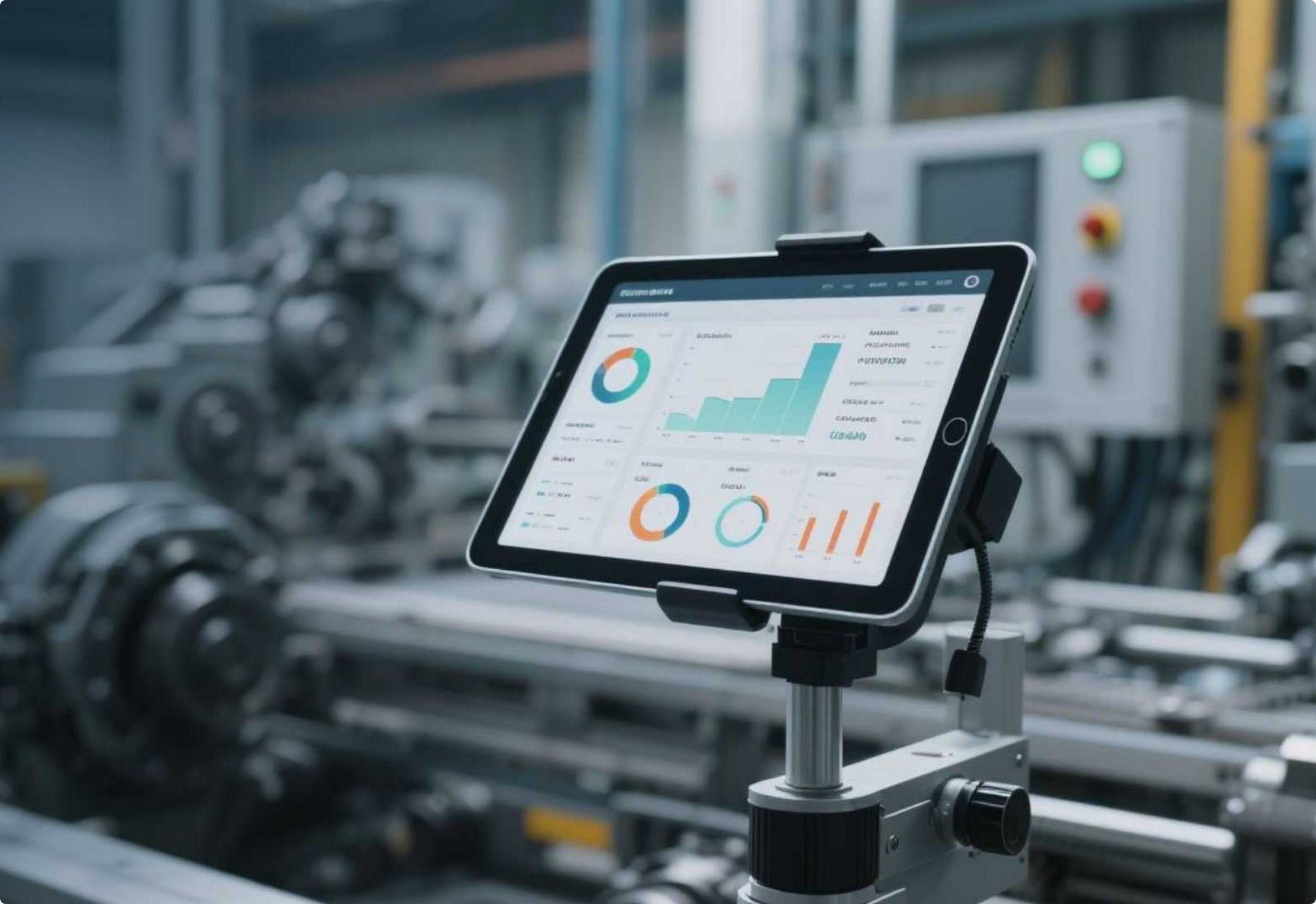
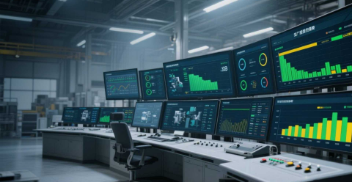
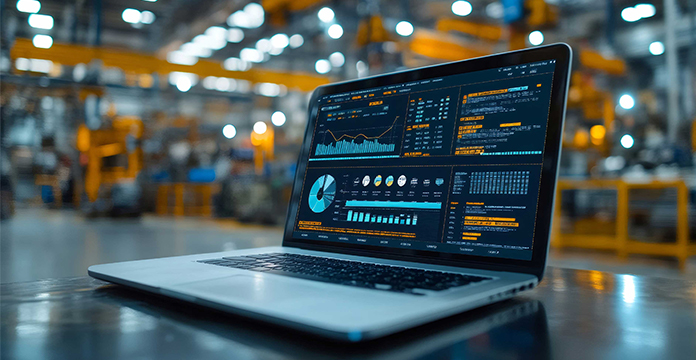
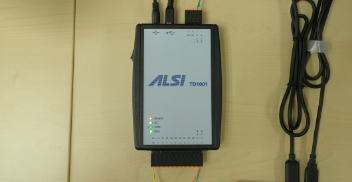
We, a 70-year-old automotive parts manufacturer, have achieved intelligent equipment monitoring by introducing plug-and-play data acquisition terminals. These terminals can automatically detect abnormalities and trigger instant alarms. If a malfunction requires maintenance personnel, they can press a button to call via a wristband notification. If the maintenance worker fails to respond within a set time, the system automatically escalates to the factory manager, ensuring timely intervention and maximizing the effective production time of the equipment.
3. Formulating Reasonable Production Plans
In addition to addressing abnormal stoppages and introducing intelligent monitoring, enterprises need to formulate reasonable production plans. These plans should comprehensively consider market demand, equipment capacity, raw material supply, and other factors to ensure a smooth and efficient production process. At the same, enterprises should promptly adjust and optimize production plans based on their execution, adapting to changes in the market and demand.
Effectively optimizing production plans not only improves equipment utilization and reduces cost waste but also enhances an enterprise's market competitiveness. In the development of modern industry, this is an important issue that enterprises must pay attention to. Introducing advanced equipment monitoring and management technologies while continuously optimizing production plans is a necessary path for enterprises to improve their competitiveness. Only in this way can industrial enterprises secure a place in the fiercely competitive market and lay a solid foundation for sustainable development.