

 Products & Services






 400 676 5650
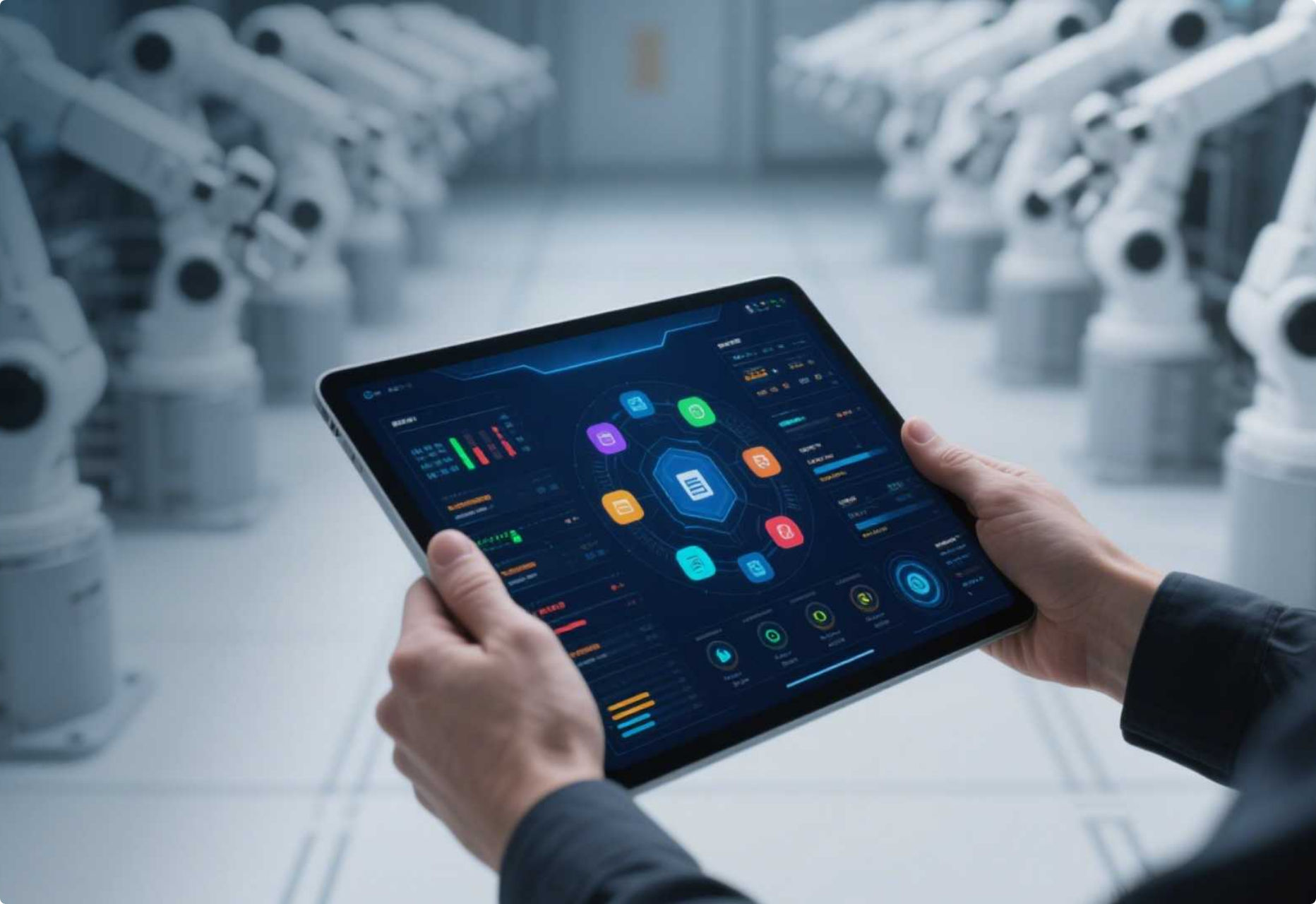
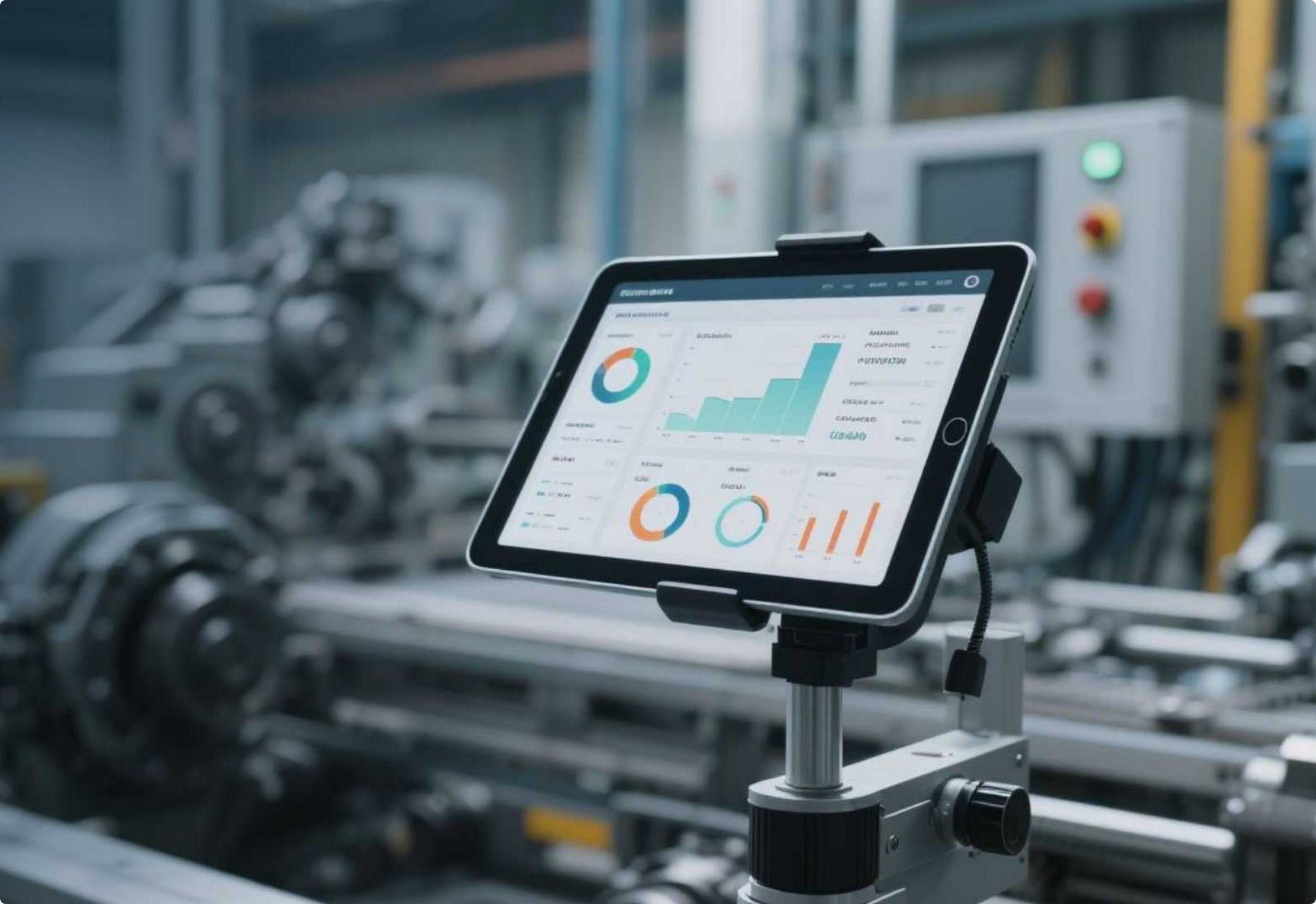
Driven by the wave of digitalization, the manufacturing industry is undergoing unprecedented transformation. Digital transformation not only enhances production efficiency but also opens up new possibilities for production planning collaboration. This article explores how to optimize production planning collaboration through digital transformation, ensuring that all aspects of the production floor are tightly interconnected, enabling efficient and precise production management.
In manufacturing, production planning collaboration is a critical link to ensure smooth production. It encompasses various aspects, including production plan coordination, working hours adjustment coordination, process adjustment coordination, quality inspection coordination, equipment issue coordination, material supply coordination, tooling and fixture coordination, and personnel allocation coordination. Digital transformation breaks down information silos and optimizes collaboration processes, making these coordination activities more efficient and precise.
Information flow coordination is the cornerstone of digital transformation. True collaboration can only be achieved when information is delivered to the right person at the right time, enabling recipients to know what to do, while simultaneously allowing other relevant parties to stay informed about their actions. Take material supply coordination as an example: when a production line issues a material shortage alert, on-site managers can use the digital system to quickly assess the potential impact of the shortage on production and coordinate with the warehouse to deliver materials at a specified time. This instant and accurate information transmission ensures that the production line does not halt due to material shortages.
However, in existing manufacturing enterprises, outdated information transmission methods and low levels of digitization often lead to information flow breakdowns, resulting in ineffective business flow coordination. To bridge these gaps, manufacturing companies need to leverage the power of digital transformation. The manufacturing collaborative production solution provided by ALSI (Alps System Integration (Dalian) Co., Ltd.) is a prime example. This solution not only helps enterprises eliminate information flow bottlenecks but also optimizes collaborative production processes, thereby improving production efficiency.
In the practice of digital transformation, the "Three Immediates" of exception handling coordination—immediate alerting, immediate notification, and immediate response—are particularly crucial. Taking power anomalies and equipment malfunctions as examples, digital systems continuously monitor the status of power facilities and equipment. Once an anomaly is detected, the system instantly triggers an alert and notifies relevant personnel for immediate action. This real-time and efficient approach ensures the stability and safety of the production floor.
Digital transformation brings unprecedented opportunities and challenges to the manufacturing industry. By optimizing production planning collaboration, achieving information flow coordination, bridging information flow gaps, and implementing the "Three Immediates" in exception handling coordination, manufacturing enterprises can achieve more efficient and precise production management. As the future unfolds, digital transformation will continue to drive change and innovation in the manufacturing sector.