

 Products & Services






 400 676 5650
In the field of manufacturing, the precise formulation and execution of production plans are crucial to a company's success. The Equipment Management System, as an innovative management tool, is helping small and medium-sized manufacturing enterprises enhance Overall Equipment Effectiveness (OEE) and further optimize production plans.
OEE, as the ratio of actual production capacity to theoretical capacity, is a key indicator for measuring the comprehensive production efficiency of a single piece of equipment, a production line, or an entire factory. However, in small and medium-sized manufacturing enterprises, due to the limitations and inaccuracies of manual data entry, OEE calculations often fail to reflect true production efficiency.
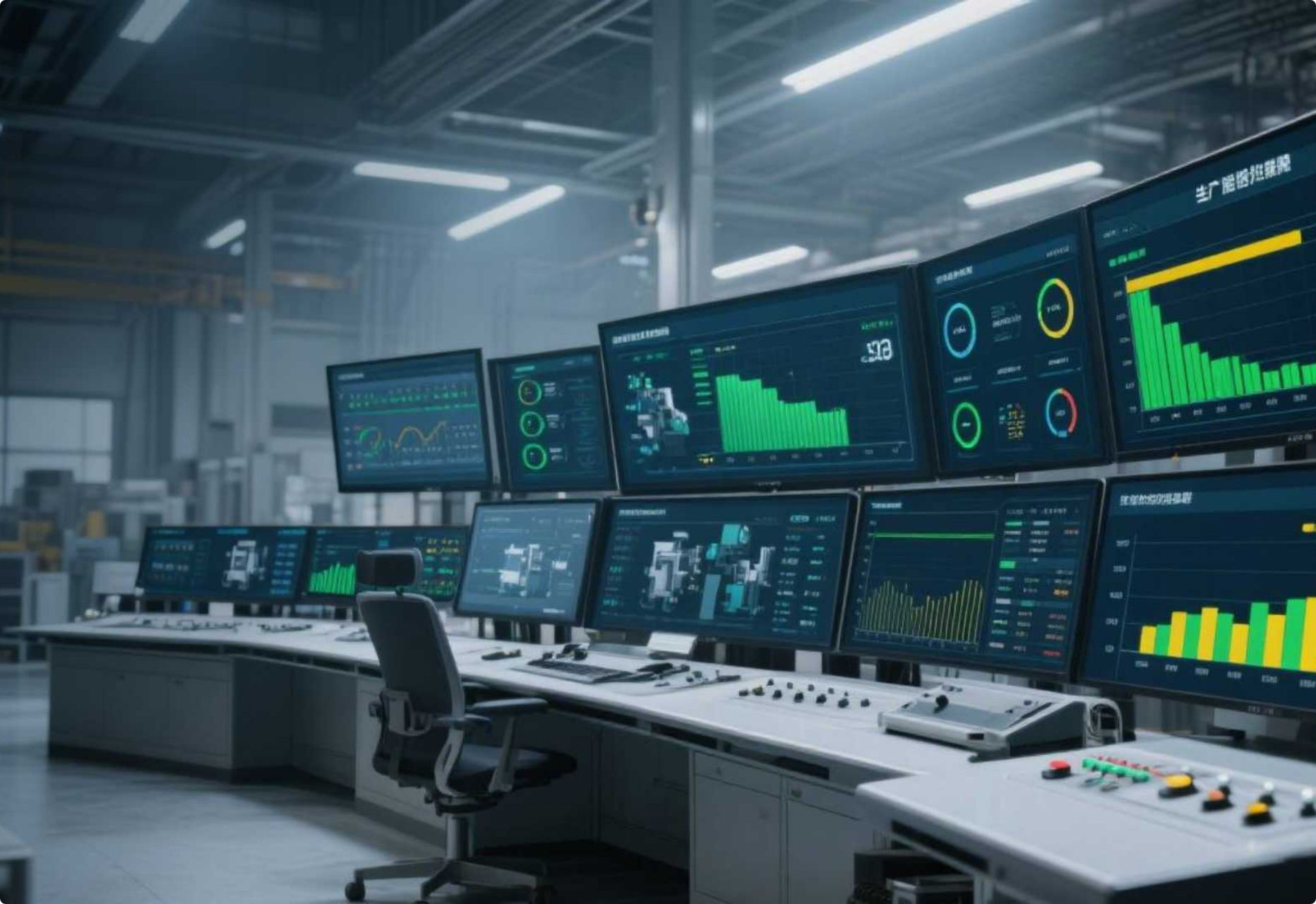
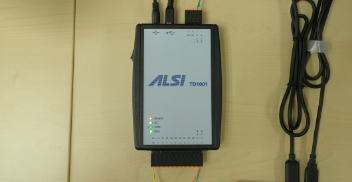
The Equipment Management System effectively addresses this issue. Based on the actual conditions and needs of small and medium-sized manufacturing enterprises, the system automatically collects equipment status data through intelligent data acquisition devices, providing OEE with real-time data that is closer to reality. This not only enables transparent management but also breaks through the management black box, allowing companies to more accurately understand equipment status and production efficiency.
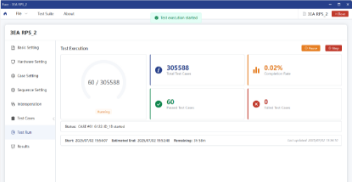
The Equipment Management System supports multiple real-time data acquisition methods, such as using existing three-color lights with external intelligent data acquisition devices to automatically collect light status data. This method requires no production stoppage for installation and costs only one-third that of the PLC method. Additionally, the system features real-time statistical data query functions, enabling the revitalization of existing MES and other management systems for real-time data upload and query.
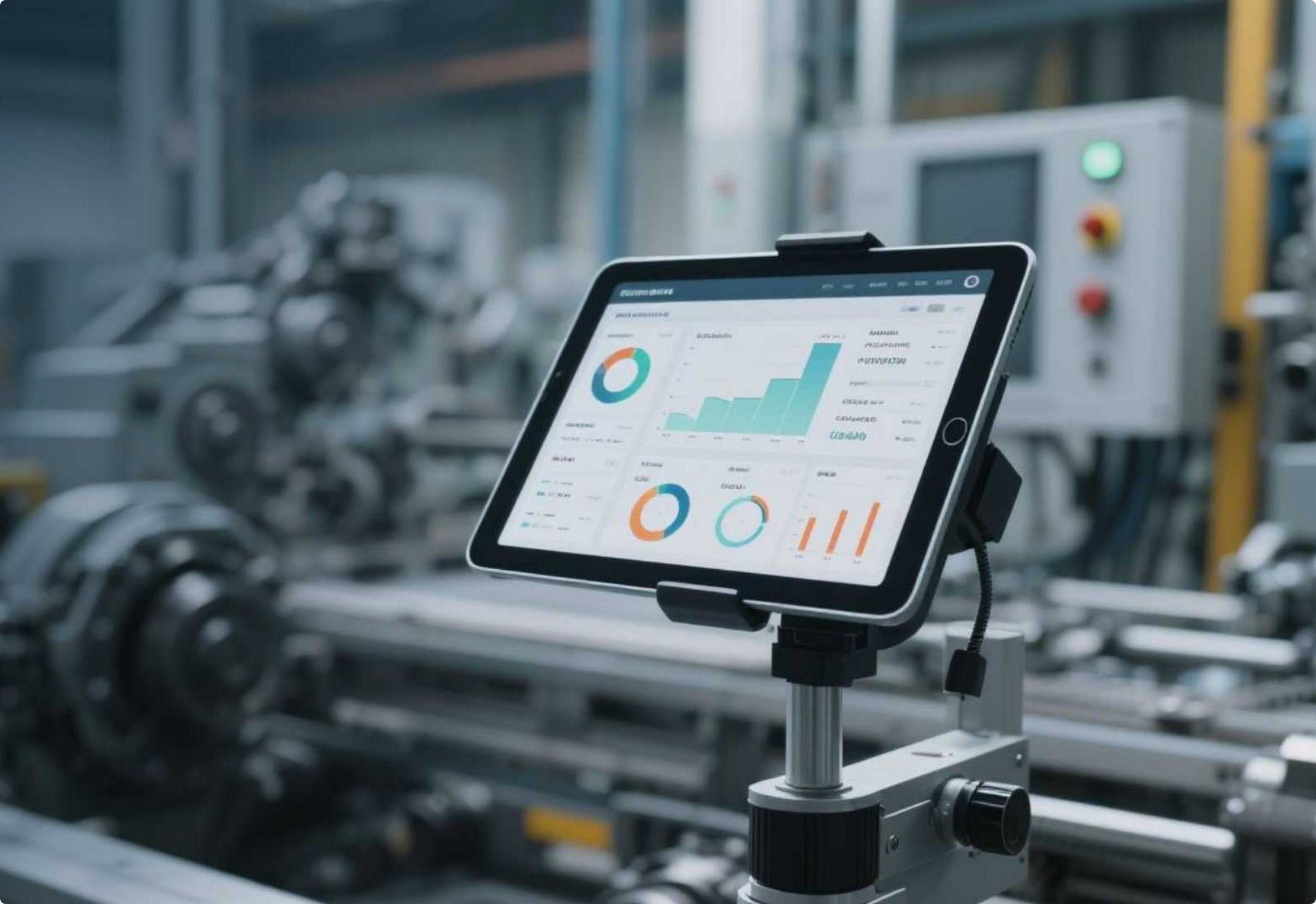
The Equipment Management System adopts a three-tier technical architecture, including the data acquisition layer, display layer, and service layer. From the acquisition layer to the display and service layers, data is fully utilized. Management can process data through management software to generate real-time production information statistics, intuitively reflecting OEE status. The system also supports various notification methods, such as wristbands, PADs, dashboards, and PCs, ensuring timely and efficient notifications.
To meet the needs of different enterprises, the Equipment Management System offers multiple optional configurations. Companies can choose server deployment methods (on-premises or cloud deployment), notification methods, and management systems based on their actual situations. This flexibility not only reduces upfront investment costs but also enhances the system's applicability and scalability.
As an innovative production management tool, the Equipment Management System is helping small and medium-sized manufacturing enterprises improve OEE and the precision of production plans. Through functions such as real-time data collection, visual display, and flexible configuration, the system provides comprehensive, accurate, and timely equipment status information, enabling enterprises to achieve transparent management, optimize production plans, and enhance production efficiency and market competitiveness.