

 Products & Services







 400 676 5650
Digital transformation is imminent, and production planning is a critical component of this process. It not only impacts the production efficiency of small and medium-sized factories but also serves as an indispensable element for enhancing corporate competitiveness. So, what is the first step for SMEs to optimize their production plans? This article continues to explore how to precisely identify bottlenecks in production planning through digital means, aiming to boost production capacity and competitiveness.
Bottlenecks in production planning are often hidden in various aspects of daily operations. They may manifest as insufficient capacity, delivery delays, or low profit margins, yet their root causes are frequently overlooked. To achieve production planning optimization, the first step is to accurately identify these bottlenecks.
First, we need to identify the bottlenecks: insufficient capacity may stem from low equipment utilization or poor production planning; inaccurate delivery dates are likely due to prolonged material changeover times or unresolved bottlenecks in the production process; low profits may result from improper cost control and low productivity. By analyzing these bottlenecks, we can precisely pinpoint the issues, laying a solid foundation for subsequent improvements.
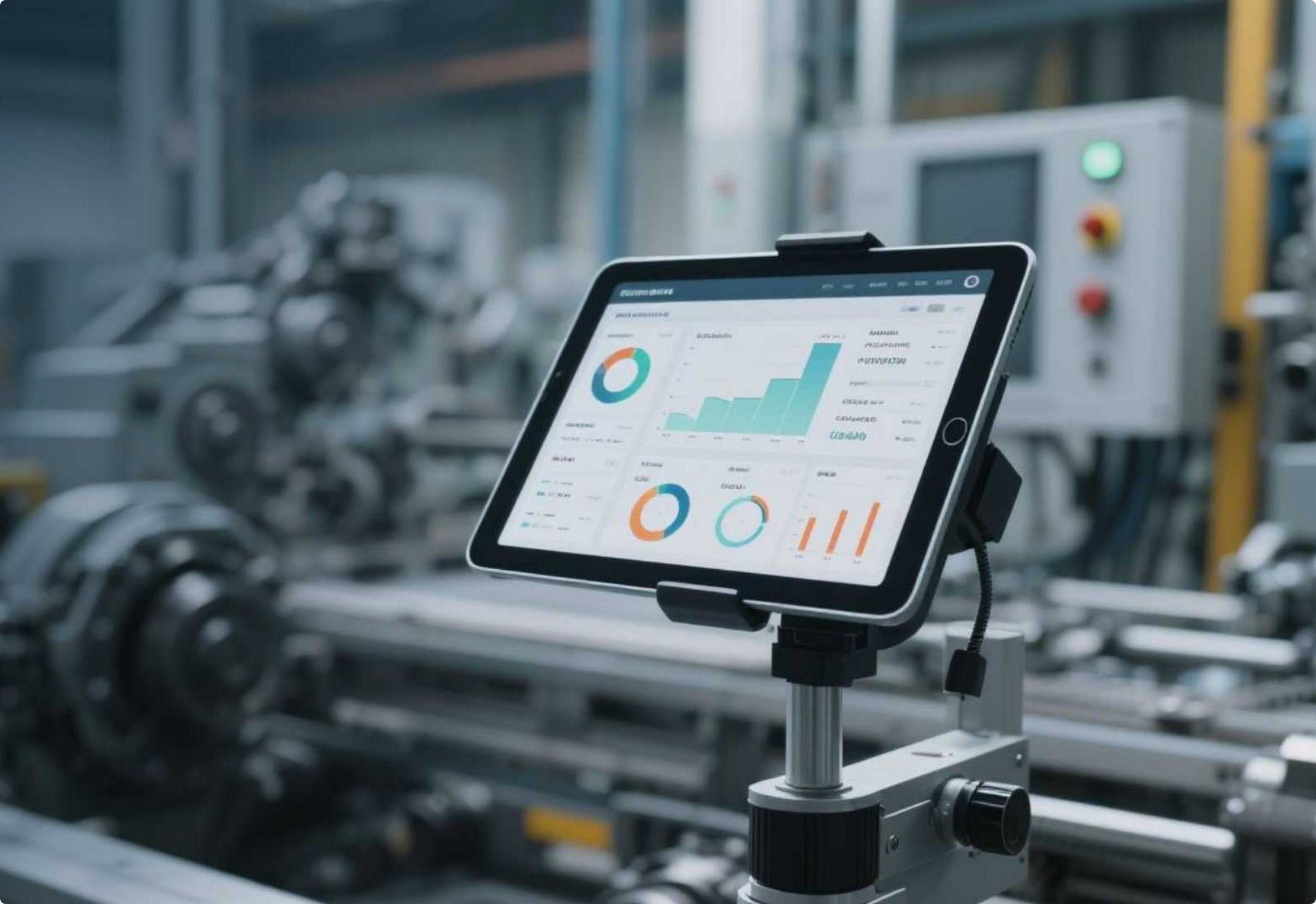
Digital tools play a crucial role in bottleneck identification. Among them, the Andon system, an efficient management tool originating from Toyota, effectively identifies production bottlenecks by detecting and analyzing abnormalities in quality, materials, equipment, processes, and personnel. Leveraging the Andon system, we can conduct a comprehensive health check of the factory, identifying and resolving bottlenecks in production.
After successfully identifying bottlenecks in production planning, the next step is to consider how to optimize the implementation measures. These measures should include optimizing equipment layout and production line design to improve equipment utilization; optimizing material supply and inventory management to ensure smooth production flow; refining production scheduling to enhance efficiency and delivery accuracy; and strengthening cost control and quality management to boost product competitiveness and profit margins.
Production planning optimization for small and medium-sized factories is a systematic project covering the entire process from raw material procurement to finished product delivery. Specifically, we consider three core production plans: long-term capacity planning, short-term production scheduling, and material requirements planning. These plans must integrate factors from all stages to ensure production continuity and efficiency.
Through various digital means, we can accurately identify bottlenecks in production and apply targeted solutions to optimize our production plans. Let us join hands in the wave of digitalization, face challenges and opportunities together, and through continuous and precise production planning optimization, enhance the overall efficiency and market competitiveness of factories, laying a solid foundation for sustainable corporate development.