

 Products & Services





 400 676 5650
Andon System, a well-known concept in manufacturing, is a transliteration of the Japanese word "andon," first introduced by Toyota. As a key component of Toyota's lean production model, the Andon system is designed to enable the efficient operation of Just-in-Time (JIT) production. JIT emphasizes timely response and coordination during the production process, and the Andon system is the critical tool that ensures this goal is achieved.
Basic Principles of the Andon System
When any abnormality occurs on the production line that affects normal operations, the on-site operator promptly notifies relevant personnel by "pulling the cord." This allows the personnel to arrive in time, eliminate the abnormality, and ensure the production line resumes normal operation as quickly as possible. The core function of the Andon system lies precisely here: rapid response and resolution of abnormalities in production.
Widespread Application of the Andon System
With the proliferation of lean manufacturing concepts, many factories have adopted various forms of Andon systems. The most common are three-color lights on equipment and audible/visual alarms. These systems signal abnormalities through visual and auditory cues. However, regrettably, many factories do not fully utilize the Andon system. For instance, the three-color lights on equipment in some factories indicate different states: in one factory, a red light signals a material shortage, while in another, a red light indicates equipment failure. This inconsistency reflects deficiencies in the factory's production management, particularly the failure to effectively implement basic Andon management.
The Role of the Andon System in Smart Manufacturing
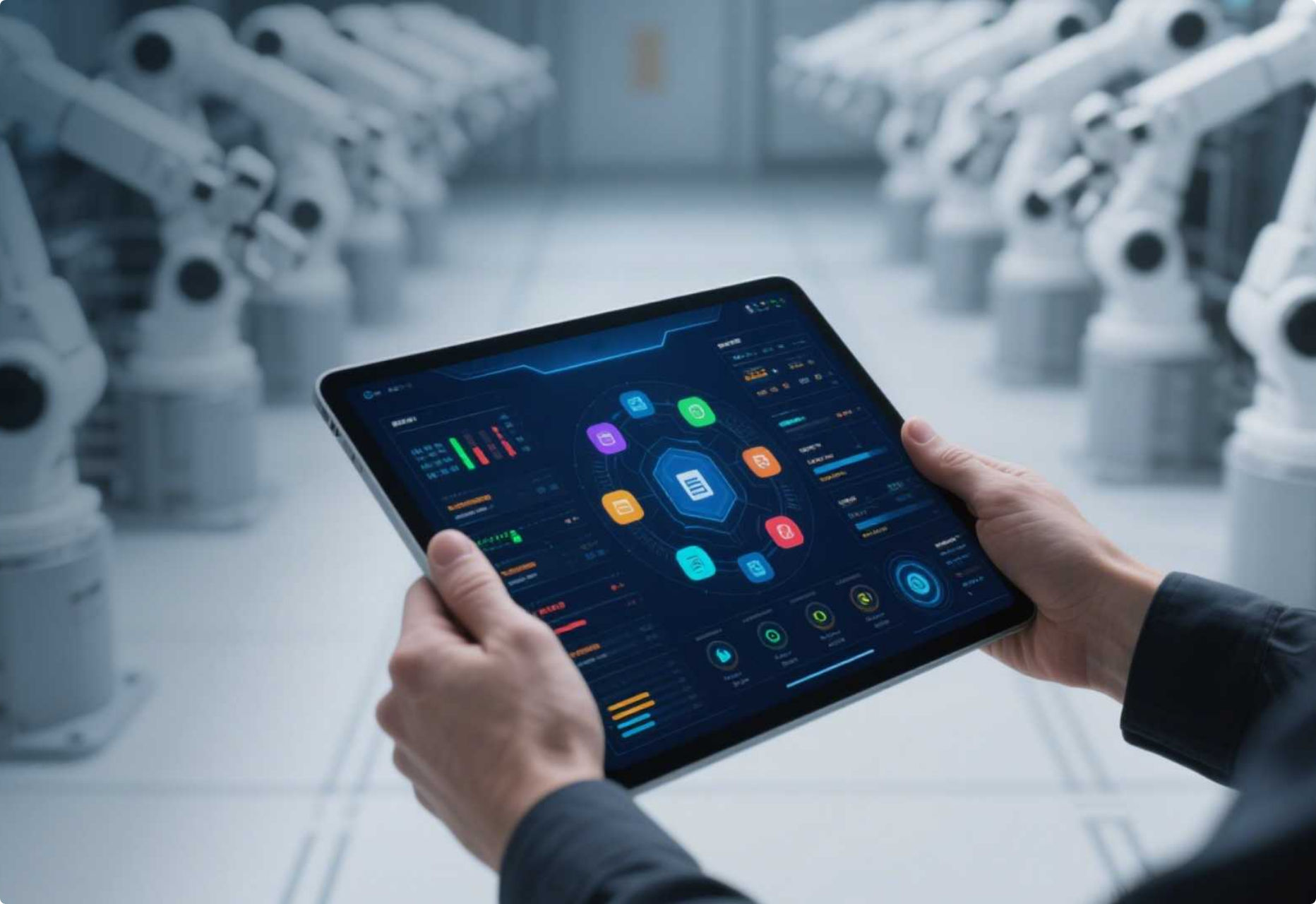
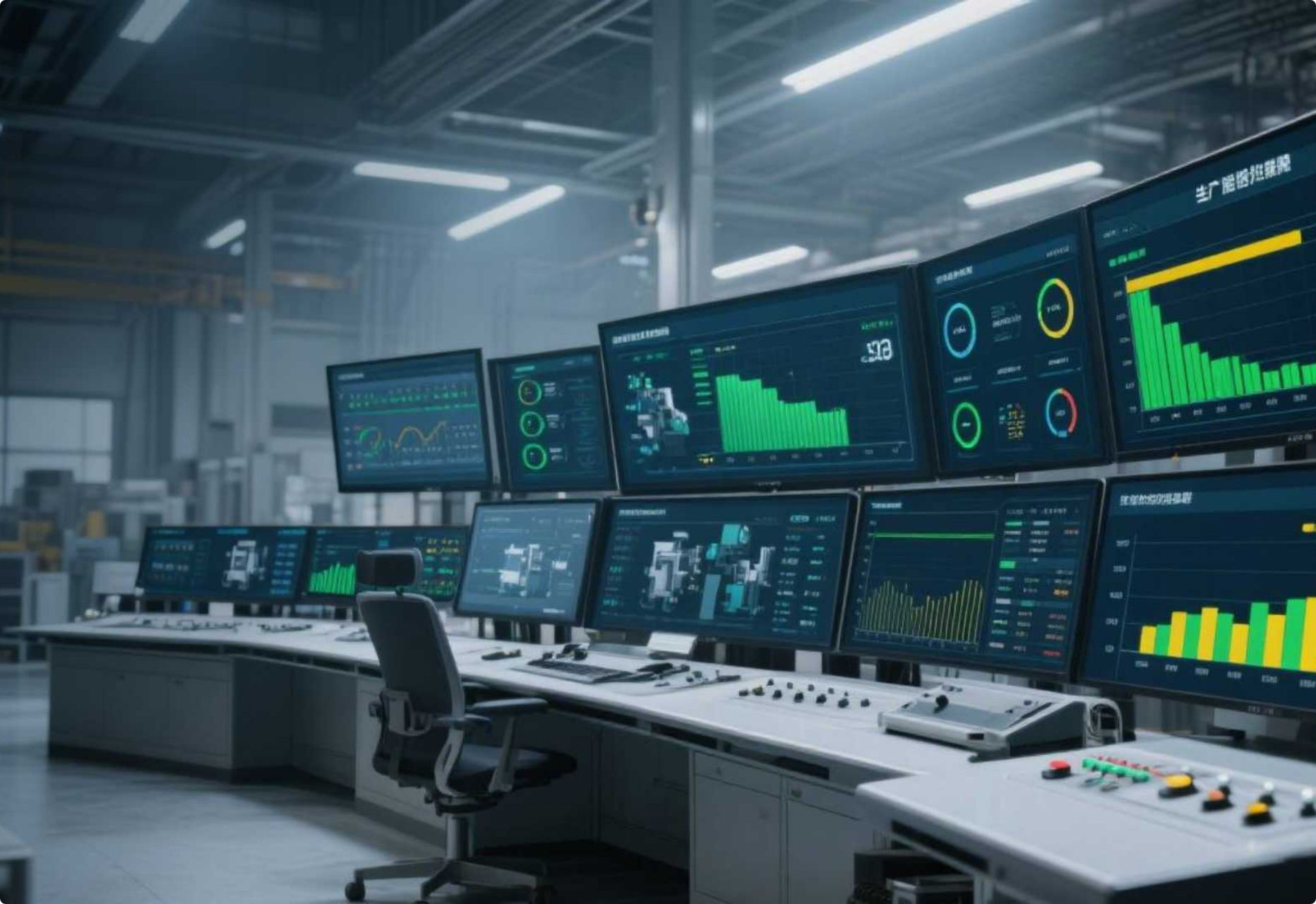
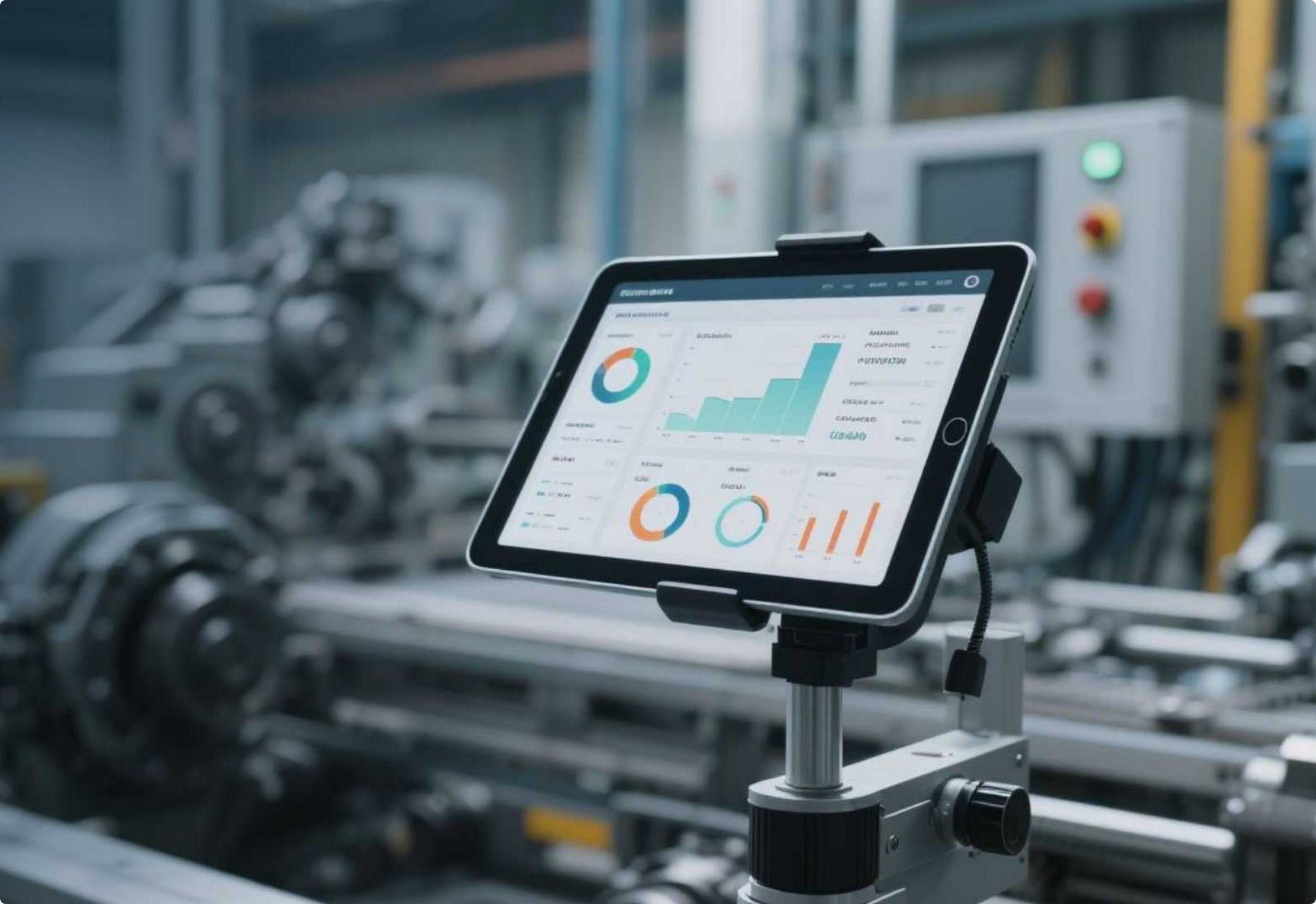
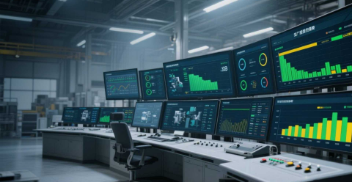
In recent years, with the advancement of smart manufacturing and digitalization, new concepts such as cloud computing, the industrial internet, the Internet of Things, big data, and artificial intelligence have emerged. Some believe the Andon system is outdated, but in reality, the opposite is true. The digital Andon system is an ideal entry point for advancing smart manufacturing, for three reasons:
1. Reduced downtime: The Andon system effectively shortens production line stoppages caused by abnormalities, thereby improving production efficiency.
2. Provision of fundamental problem data: The abnormality data recorded by the Andon system can reveal the most basic issues in production, such as quality problems, equipment issues, or material problems, as well as which workstations experience frequent abnormalities.
3. Low implementation cost and high acceptance: The Andon system barely changes existing workshop management methods or production models, so its introduction does not cause employee resistance, and training costs are relatively low.
The Andon system is not only an important tool in traditional production management but also a key entry point for smart manufacturing and digital transformation. By effectively leveraging the Andon system, manufacturing enterprises can significantly improve production efficiency, reduce downtime, and achieve lean production goals. In the new era of smart manufacturing, the Andon system remains an indispensable and vital component.