

 Products & Services




 400 676 5650
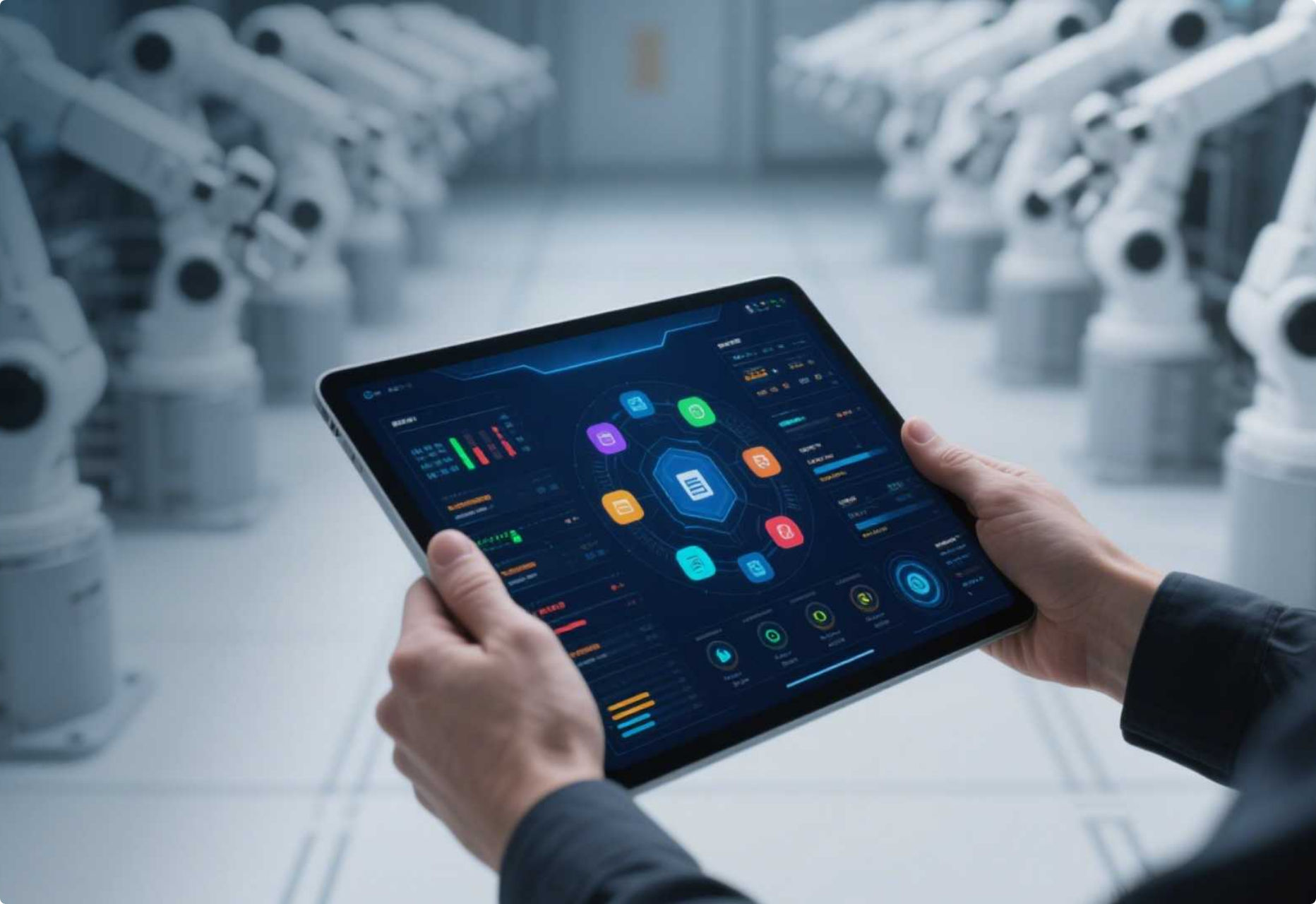
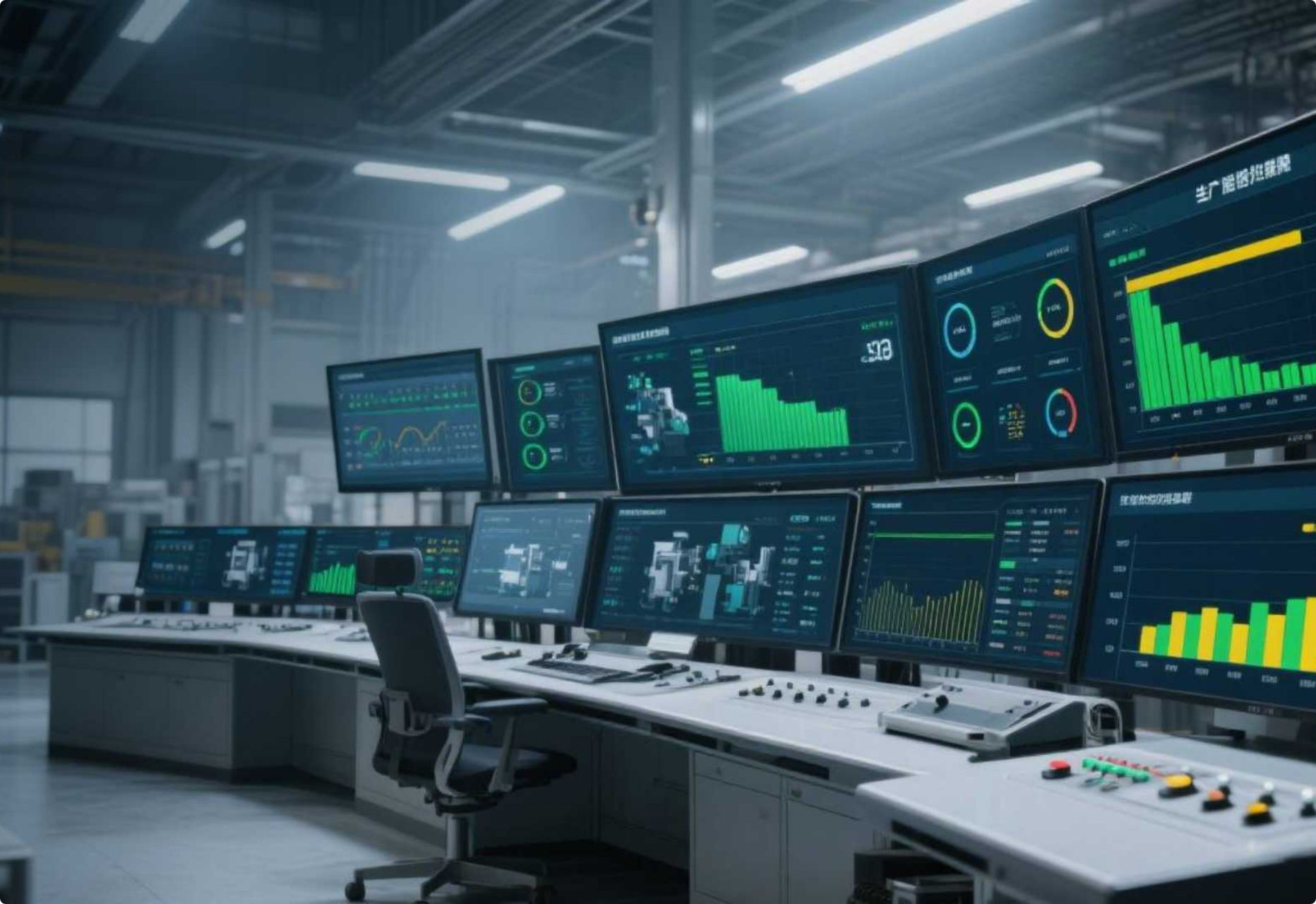
In today's manufacturing landscape, MES (Manufacturing Execution System) is widely hailed as a magic tool for improving efficiency and managing anomalies. But is that really the case? Many small and medium-sized factories have not achieved the expected results after implementing an MES system. What exactly has led to the current predicament that MES presents? Many small and medium-sized factories opt for a standard MES system, which boasts mature functions and quick deployment. However, the standard MES system has its limitations in applicability. Given that each factory's development status and needs vary greatly, using the same system makes it difficult to fully leverage its capabilities. A standard MES system is like a one-size-fits-all garment—not everyone is suited for it.
Since the standard MES system is not suitable, does a customized MES system solve the problem? The answer is not exactly. Customization comes with high costs and long development cycles, and there may still be bugs after deployment. This high-risk, high-investment approach is often unaffordable for small and medium-sized factories with limited resources.
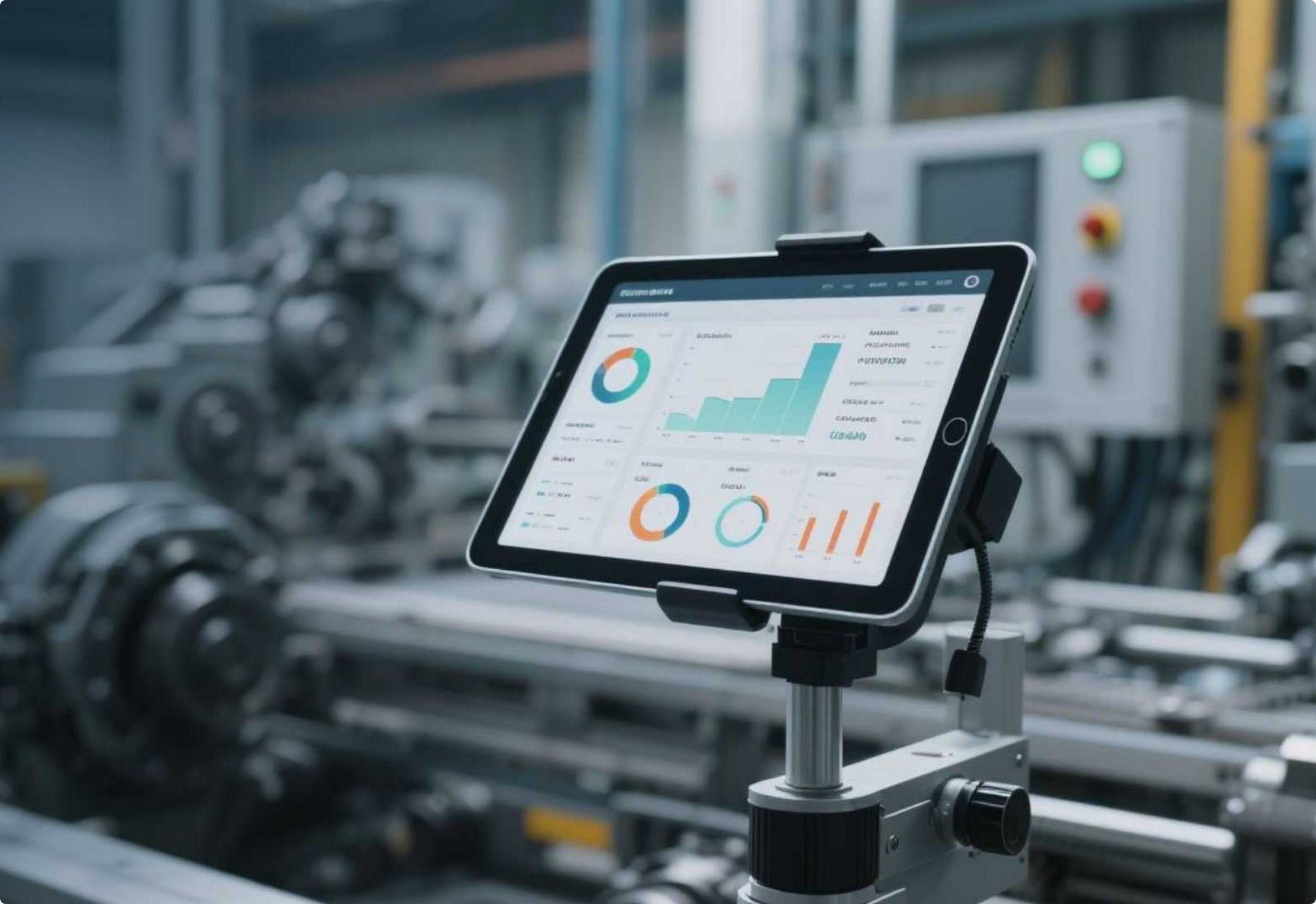
For small and medium-sized factories with an output value of tens of millions and fewer than a hundred workers on the shop floor, rushing into an MES system may not be a wise move. Before seeking to increase production capacity, factories should first evaluate their production equipment and process bottlenecks—for example, by implementing an equipment monitoring system to ensure full utilization of machinery. Furthermore, it is crucial to choose a service provider that understands both manufacturing and lean management. Pure software companies may lack a deep understanding of manufacturing needs and business processes, making it difficult to develop an MES system that truly aligns with actual production, reduces costs, and improves efficiency.
MES is not a panacea—it cannot cure all ills. Before implementing an MES system, small and medium-sized factories must gain a deep understanding of their own production conditions and needs, and choose a solution that fits them. Only then can the MES system become a powerful assistant in enhancing production efficiency and management levels, rather than becoming a burden to the factory.