

 Products & Services







 400 676 5650
In today's highly competitive manufacturing environment, improving Overall Equipment Effectiveness (OEE) has become a goal pursued by major enterprises. The introduction and application of equipment management systems provide crucial support for factories in enhancing OEE. However, many companies often overlook a key point when advancing smart manufacturing: the core of improving OEE lies in applying targeted solutions, not blind efforts.
After visiting numerous factories, we found that business owners typically prioritize quality above all else. In the rapidly advancing Chinese manufacturing industry, even small and medium-sized enterprises boast yield rates above 95% in many cases. For those companies whose yield rates have reached a bottleneck, we recommend temporarily slowing down their smart manufacturing initiatives and focusing on improvements in other areas.
Performance Efficiency reflects how well equipment performs, measuring performance losses such as idling, minor stoppages, and speed reductions. These subtle impacts are difficult to capture accurately through manual statistics and require the extraction of various elements related to equipment cycle times through data collection methods. Although this is a complex and significant undertaking, it is crucial for improving OEE.
In our practical experience, the easiest element to start with and quickly achieve OEE improvements is Availability. Particularly in the machining industry, a large amount of unplanned downtime—such as waiting for equipment repair, material loading and replenishment, or mold and tool changes—greatly impacts Availability. The world-class OEE efficiency is 85%, composed of 90% Availability, 95% Performance Efficiency, and 99% Quality Rate. A closer look at these figures reveals immense potential for improving Availability. However, very few managers truly understand how to guide targeted improvements in this area.
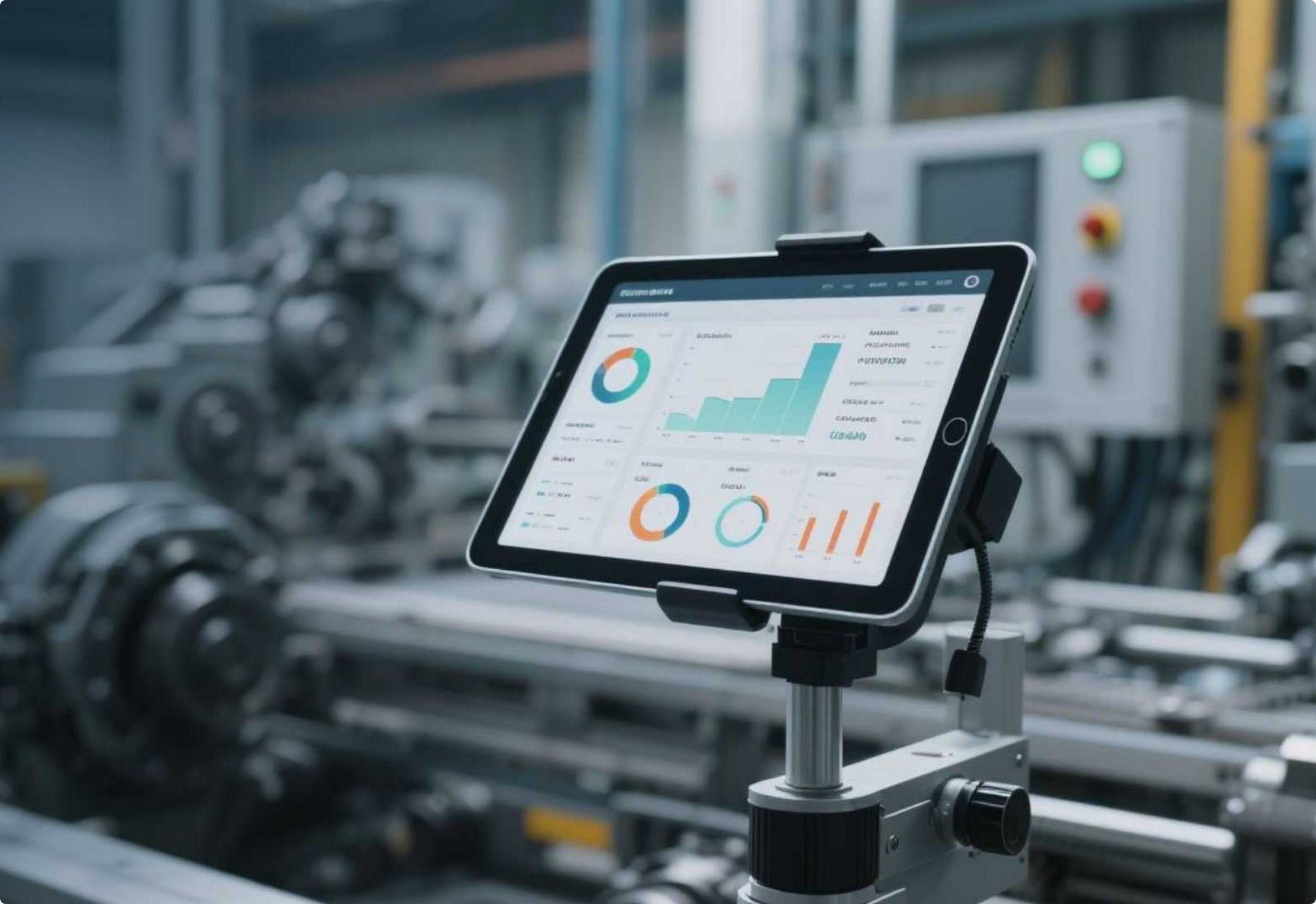
So, how can we make targeted improvements to enhance equipment OEE? First, it is necessary to introduce an advanced equipment management system to achieve real-time monitoring of equipment status. Through data analysis, bottlenecks and the main causes of unplanned downtime can be quickly identified. For example, an equipment management system can automatically record and analyze equipment failure time, repair time, material loading time, and mold change time, helping managers develop effective improvement measures. Second, establish a scientific maintenance plan. Regular maintenance not only reduces equipment failure rates but also extends equipment lifespan. With the early warning functions of the equipment management system, potential problems can be detected in advance, preventing downtime caused by sudden equipment failures. Additionally, optimizing production processes is key to improving Availability. A comprehensive analysis of production processes helps identify and eliminate non-value-added steps, effectively reducing unplanned downtime. For instance, optimizing material loading and mold/tool change procedures can reduce equipment waiting time, thereby enhancing overall Availability.
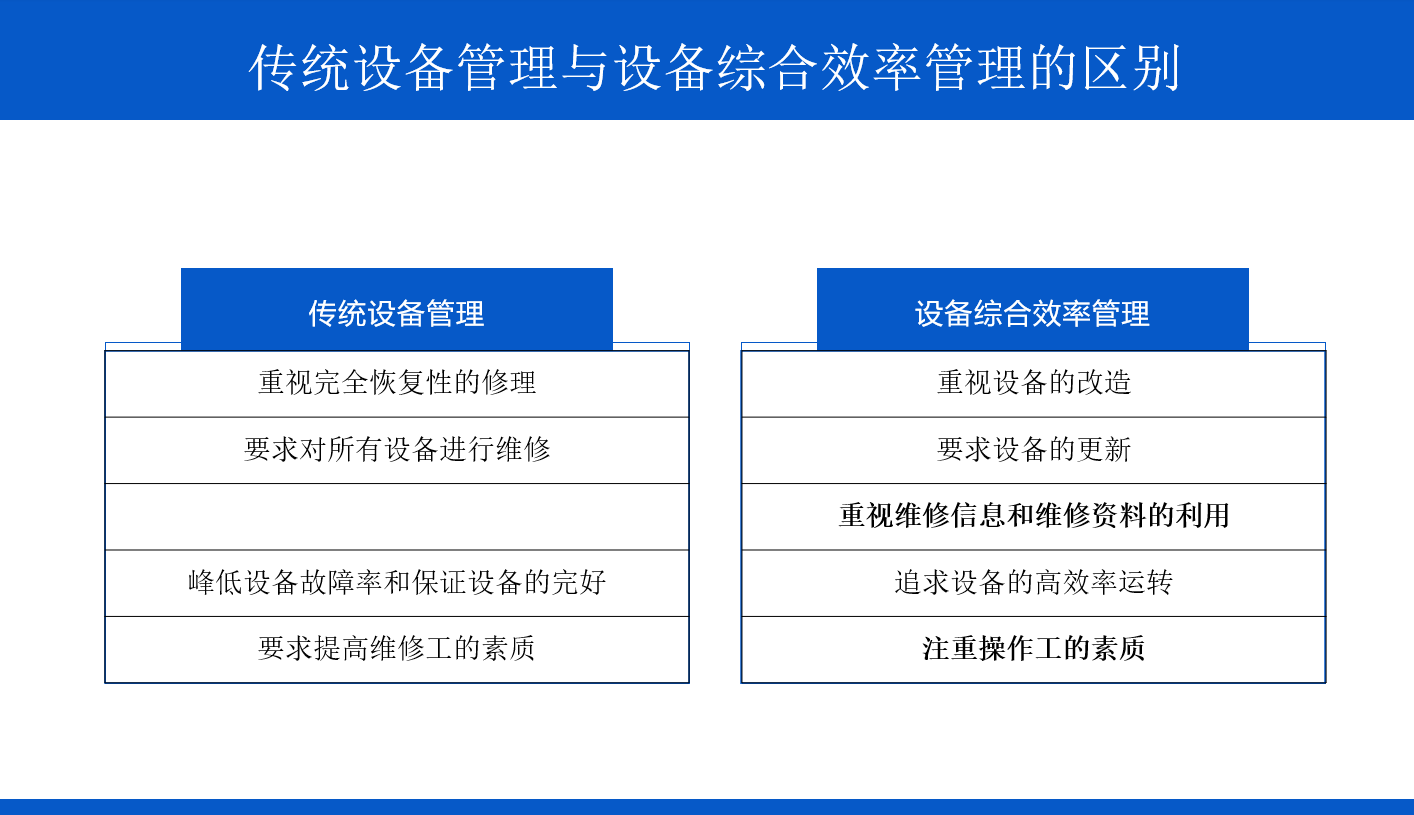
Improving Overall Equipment Effectiveness (OEE) is a systematic endeavor that requires targeted solutions. As companies advance smart manufacturing, they should focus on improving Availability. By introducing advanced equipment management systems, developing scientific maintenance plans, and optimizing production processes, Availability can be effectively enhanced, leading to an overall improvement in OEE.