

 Products & Services








 400 676 5650
Scenario 1: A small-to-medium-sized manufacturing enterprise that has been operating for over five years. Its equipment spans three generations—old, middle-aged, and new—belonging to different brands or models. Additionally, the enterprise may have numerous non-communicating equipment that lacks effective interfaces or fails to deliver value.
Scenario 2: A factory invested heavily in a system, but due to nobody within the company using it, the system eventually became a zombie system.
Scenario 3: The system currently in use by a factory fails to make the manufacturing shop floor more transparent. If the uploaded data is inaccurate, it will lead to a significant discrepancy between the data displayed on the Kanban and the actual conditions on the factory floor.
Given these scenarios, what measures should a factory take to reduce the frequency of downtime and production stoppages, ensure normal and efficient production operations, while simultaneously pursuing smart factory transformation?
This article distills and organizes insights from Dr. Zhang Xiaohui, Director of ALSI, based on his presentation titled "Key Factors and Technologies for Implementing Smart Manufacturing in Legacy Factories." This also reflects ALSI's value proposition in lean improvement and smart manufacturing.
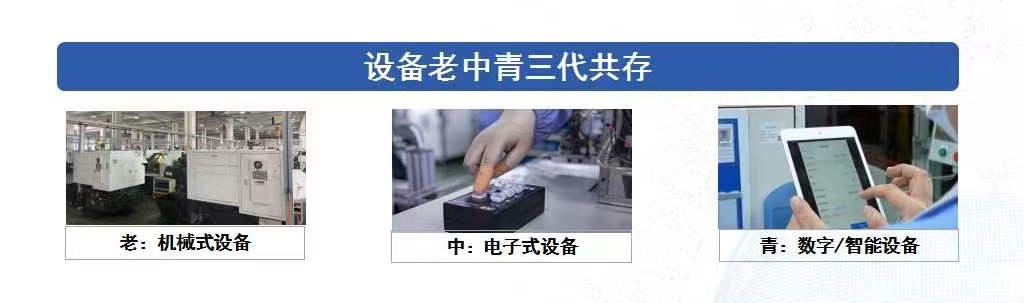
Non-digitally-native factories often face the issues described in the three scenarios above. As factories continue to grow, with an increasing number of plants and workshops, many traditional communication and collaboration methods are no longer suitable for cross-workshop and cross-plant operations. The transformation from a non-digitally-native factory to a smart factory is urgent.
At Alps System Integration (Dalian) Co., Ltd. (hereinafter referred to as "ALSI"), we call non-digitally-native factories "legacy factories" and have clearly defined them: factories established for over 10 years, with more than 200 employees, producing more than three product types, and with annual sales exceeding 100 million RMB.
Because legacy factories need to break down existing workflows and integrate and leverage existing equipment and systems, the investment required during the smart factory transformation is even greater than that for building a new factory. When planning and implementing systems, if the responsible persons in the enterprise or relevant departments lack clear objectives, it becomes very difficult to achieve system deployment and actual usage. Therefore, it is crucial to clearly identify the problems that need to be solved on the path from a legacy factory to a smart factory.

In China, the Alps Group operates seven factories, the earliest of which was established in 1993 and the latest in 2008. All seven are legacy factories. Next, we will share key factors that the Alps Group considers essential during the smart factory construction process, and discuss how legacy factories can rapidly achieve the upgrade and transformation to a smart factory.
If you would like to receive free resources from Dr. Zhang Xiaohui's report "Key Factors and Technologies for Implementing Smart Manufacturing in Legacy Factories," please follow the [ALSI Smart Manufacturing] official WeChat account and enter the keywords "Digital Factory Resources" in the backend. We will share the materials with you.