

 Products & Services





 400 676 5650
Enterprise Objectives
The primary task of manufacturing is to produce high-quality products. Regardless of the variety of products manufactured, if the quality is poor, customers will not buy them. Even if production costs are reduced, if products cannot be sold, the enterprise will ultimately incur losses. If products with "cut corners" are released to the market under the pretext of "supply exceeding demand" or "cost reduction," it contradicts corporate social responsibility and could be fatal to the enterprise. In summary, quality assurance must be the foremost consideration in production. Any neglect due to other reasons is a reversal of priorities, leading to severe consequences. So, what exactly does quality assurance work entail?
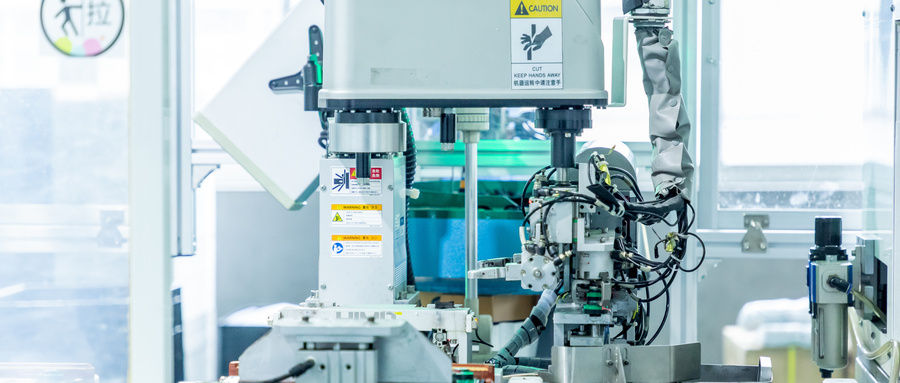
Unlike the past, enterprises now place less emphasis on operators' intuition and proficiency. Each process is separated, requiring lower levels of specialized skills. Standardized operations for each process are part of quality assurance. In other words, the establishment of standard operations ensures process quality. If process quality is unstable, visual inspection or gauge inspection tasks should be incorporated into the process standard operations.
If defects still occur under these conditions, it is either because operators fail to follow standard operations or because there are defects in machinery, equipment, molds, or tools. The first consideration is the former: Why do operators not follow standard operations?
Causes of Product Defects
We sometimes hear statements like "Reducing personnel increases defects" or "With fewer people, quality suffers." Such a reversal of priorities—reducing personnel at the expense of quality—is absolutely unacceptable. Analyzing real-world issues, this situation generally falls into two categories:
A. When operators must complete work within a short timeframe, they may omit or forget necessary tasks. Instead of eliminating unnecessary activities, they cut corners on essential ones.
B. Under the arrangement of production work, rework and work-in-progress (WIP) may exist, seemingly without quality defects. However, reducing personnel or inventory exposes pre-existing quality issues.
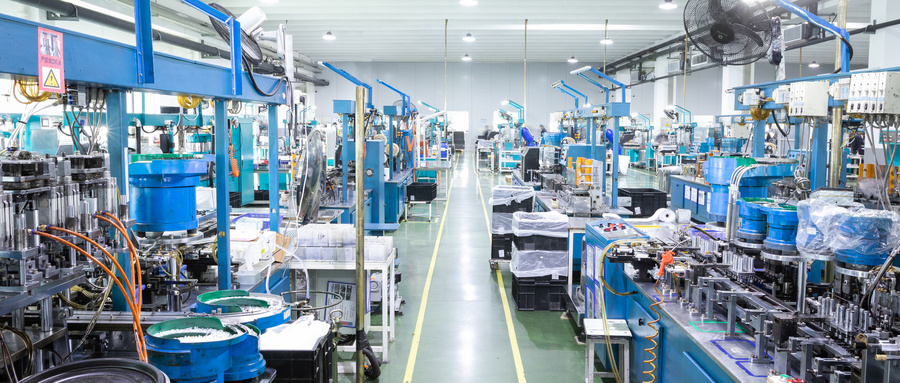
Type A issues often occur in assembly line work. These errors happen when there is a delay or problem but the line is not stopped. In cost-reduction activities, stopping the line is crucial. Toyota's approach: for new operators, they first teach them how to stop the line. By stopping the line, we can identify workload imbalances among operators, uncover facts about eliminating unnecessary activities, and fundamentally resolve work delays.
If operators ignore certain tasks due to insufficient work time, they may believe the line can never stop. Supervisors are responsible for ensuring operators pass conforming products to the next process, even if it requires stopping the line.
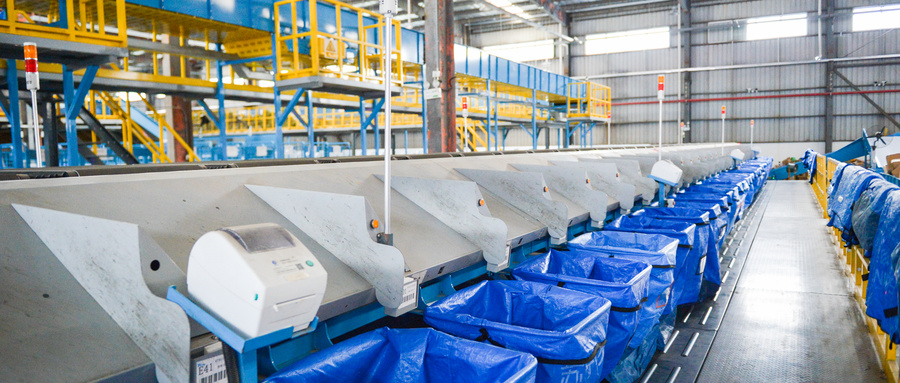
There is no need to dwell on line speed or takt time; it is important to understand that "takt time and headcount are unrelated." Operators complete the content specified in standard operations at their own pace, forming a work cycle. If operators cannot complete the work cycle within takt time, the line may stop until their work finishes. How to create standard operations that meet takt time requirements is the responsibility of frontline managers and technical staff.
For example, if an operator needs 70 seconds to complete processes one through five, and takt time is 60 seconds, their work cycle time exceeds takt time by 10 seconds. These 10 seconds cannot be ignored or omitted. The operator should work normally, stopping the line for 10 seconds each time to ensure the manufacture of quality-compliant products. Supervisors and technical personnel must implement improvements, such as eliminating unnecessary activities or reducing walking distances, to ensure anyone can complete these tasks within 60 seconds at normal speed. Continuously improve to resolve line stops (delays). Attempting to eliminate line stops without improving workflows leads to quality degradation and must be strictly avoided.
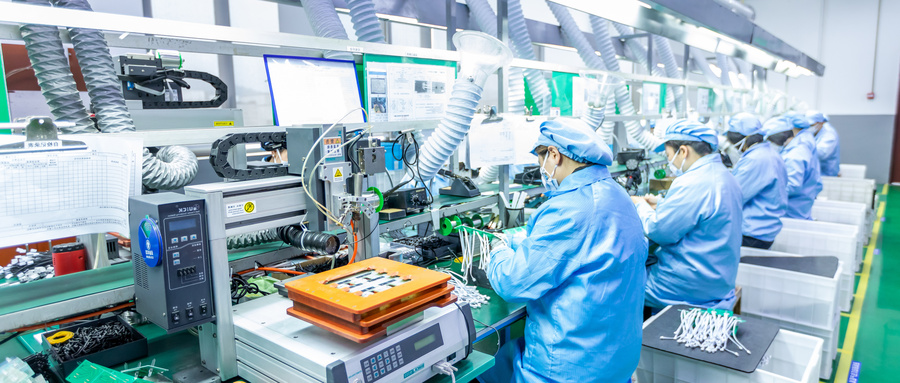
Type B issues: By reducing personnel and inventory, many product defects are discovered. These defective products were previously repaired through rework; now the problems are exposed, but root causes remain unidentified.
For example, fixing defects from a previous process in a later process without sufficient feedback, or design issues like improperly sized screw holes requiring re-tapping in the current process, fall into this category. However, the problems are merely managed, not fundamentally resolved. The extra labor and WIP required for these temporary repairs increase costs. When these issues become apparent during headcount reduction, improvements must be made.
Supervisors and technical personnel must return defective products to the previous process and track the handling of returned defects to understand the root causes, solving problems at the source. This can be compared to taking painkillers for chronic appendicitis: it only relieves pain, not cures. Only surgical removal of the appendix achieves a complete cure.
This concept also applies to defects caused by machines, equipment, molds, and tools. As previously described, if equipment causes defects, the line should be stopped immediately to analyze and resolve the root cause. If the equipment-related department is contacted but fails to respond or improve, and the defect is reworked in the current process, this task gradually becomes a normal part of the process. Do not stop following up on defect resolution just because the previous process is guaranteed or a single feedback is provided. Continue to follow up with the previous process and take measures in the current process to prevent the inflow of defective products until product quality is assured.
Periodic Inspection
Periodic inspection involves auditing products and processes, but inspecting or measuring every part is impractical. Periodic inspection is typically performed by the production department based on time (every hour, two hours, etc.) or the number of parts produced (every 30 parts). Periodic inspection of the entire production system is usually conducted by the quality department, based on time (hourly, daily, or monthly).
Periodic inspection ensures that products meet specified quality standards. The content and methods of inspection are standardized, and results are recorded and published. This document visually confirms whether inspections are completed and serves as a communication tool between teams and support personnel (such as engineering and quality).
Equipment process capability must produce within specified quality standards. Stricter inspections should be used until equipment production stabilizes. However, note that this inspection does not replace periodic inspection; it is only applicable for evaluating equipment process capability.

For example, when new equipment or a series of equipment is introduced into a stable production flow, after engineers evaluate the equipment's process capability, engineering and manufacturing work together to stabilize the process, ensuring parts are produced consistently within specified quality standards. Inspection frequency is higher during this period to meet customer requirements. Equipment should be stopped when defects or errors occur. Without pre-evaluation and stabilization of equipment process capability, more inspection work is needed, making periodic inspection difficult.
The purpose of system periodic inspection or audit is to confirm that the entire production process operates as designed. Benefits include:
- Ensuring products are produced as planned;
- Confirming manufacturing follows agreed methods and inspection frequencies;
- Confirming relevant data to determine process capability.
Product Quality Assurance Mechanism
During the process stabilization phase, quality control work must be established for product outcomes, including control over design, incoming materials, production, and new process development. Each task is supported by the quality department, which monitors and measures performance and provides feedback for process improvement. Company managers must determine the ideal quality level for design, products, processes, and operations, set high quality standards, and require everyone from top leadership to production staff to strive for and maintain high standards.
Making quality standards visible to everyone (especially operators) is an important managerial activity. Visualization is fundamental—such as slogans, banners, or defining how the workplace is organized to meet customer quality expectations. Operators are key to visual control; they must understand the required product quality and have simple methods to ensure it.
To establish a high-standard quality assurance mechanism, managers must set goals, objectives, and indicators. They must embody the quality philosophy and organize the company to achieve the quality level demanded by customers. Once goals, objectives, and indicators are set, managers must ensure employees understand and commit to these standards. With appropriate resources, this task is achievable.
Managers must also firmly address questions within the organization that doubt whether quality is truly important or just lip service. Such questions may include:
- "This product doesn't meet our quality standards. Should I ship it?"
- "What matters more: quality or delivery?"

At the line operator level, absolute quality control must be incorporated into standard operations or process documents. Key product characteristics—such as safety, critical parameters, or appearance—must be reflected in the initial work instructions. During the standard operations phase, quality standards can be recorded in work instructions and checked periodically (twice per shift) to ensure compliance.
For supervisors, maintaining quality is the primary goal, including:
- Pre-shift adjustment checks;
- Monitoring quality levels during the shift;
- Routine checks of key characteristics;
- Engaging the quality department on material quality levels;
- Participating in writing and interpreting customer quality specifications;
- Studying process quality capability for new products and processes.
Process Information Feedback System
During the process stabilization phase, controls are established for the development process to create a program that ensures stable quality. These controls include: identifying key product characteristics, developing processes, flowcharts, characteristic matrices, and control plans (determining failure modes). Operators can use these controls in daily operations and incorporate them into the first standardized work.
As with all production operations, lean manufacturing does not preclude changes to product specifications. Therefore, controls must also establish a "change point management" process to ensure operators receive the latest product specifications.
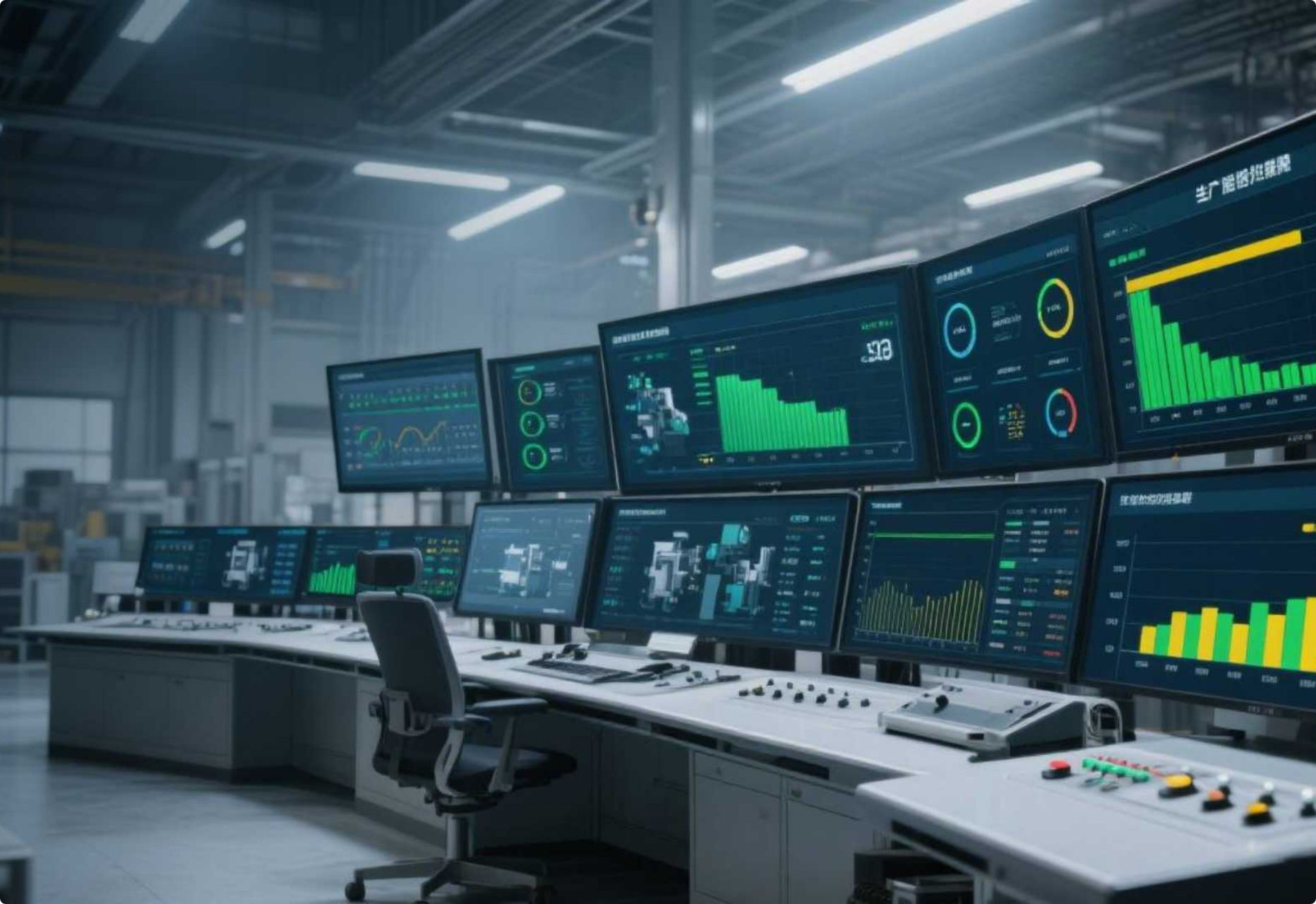
Given that manufacturing sites often face adverse environmental factors such as large areas and noise, there is an extremely high demand for real-time message delivery. Traditional methods like audible/visual alarms and email push notifications are incompatible across systems, with cumbersome information management requiring managers to constantly monitor screens... such drawbacks are evident.
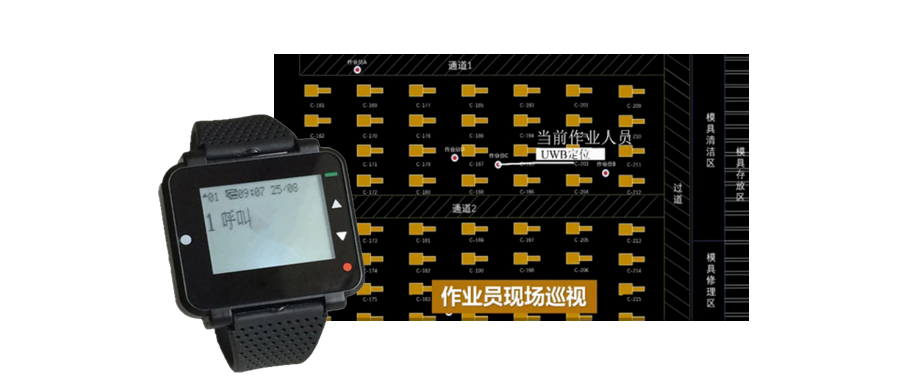
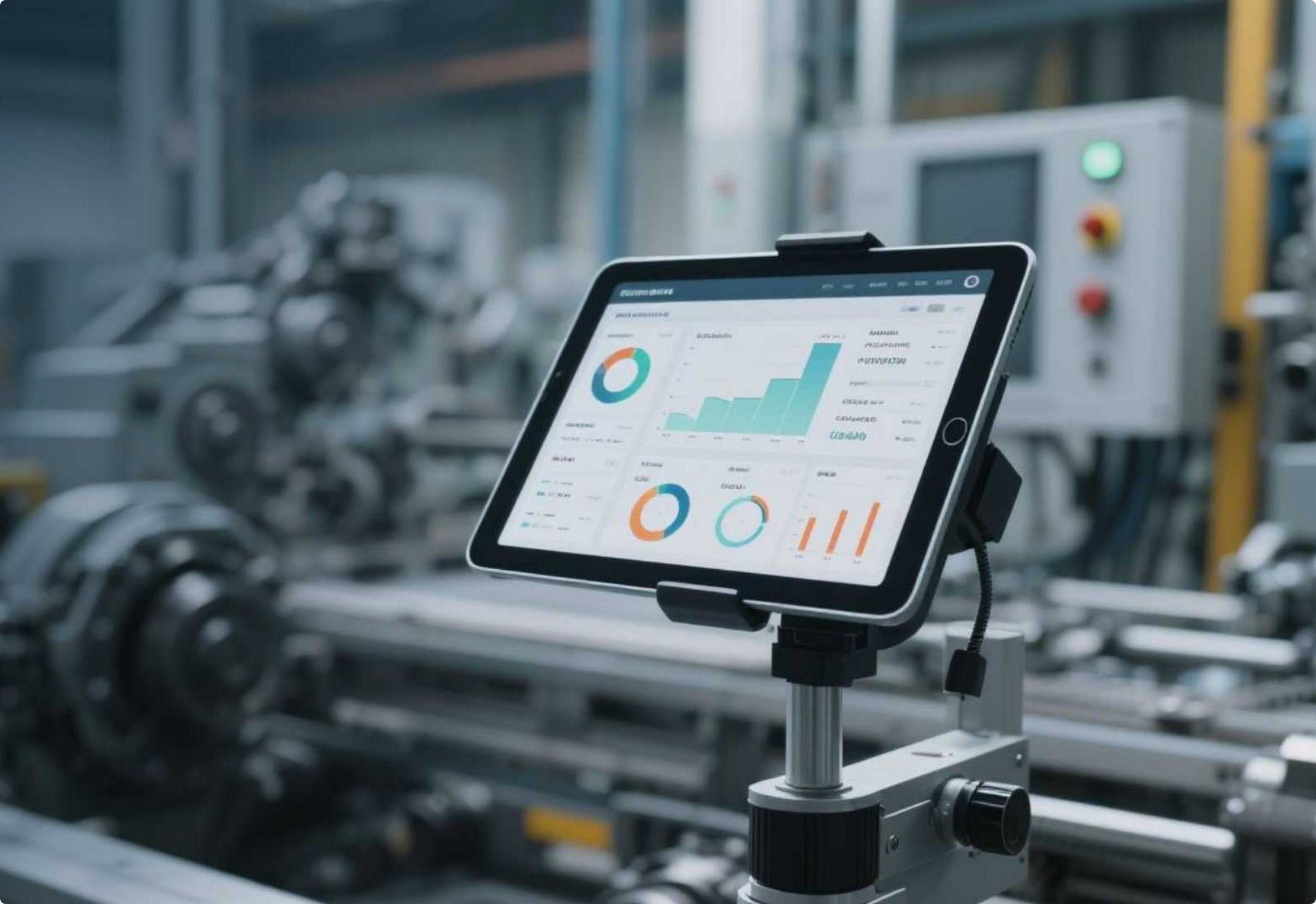
The AIMMIRAI Lean Smart Factory Cloud Platform Instant Notification Module can deliver information accurately to the right person in real time. For managers, binding notification relationships allows the standardization of abnormal handling processes, achieving standardized processing. Additionally, recording node times provides managers with assessment data, enabling quantitative evaluation and management of abnormal handling work. Accumulating and analyzing node time data also provides a basis for optimizing abnormal handling processes.