

 Products & Services






 400 676 5650
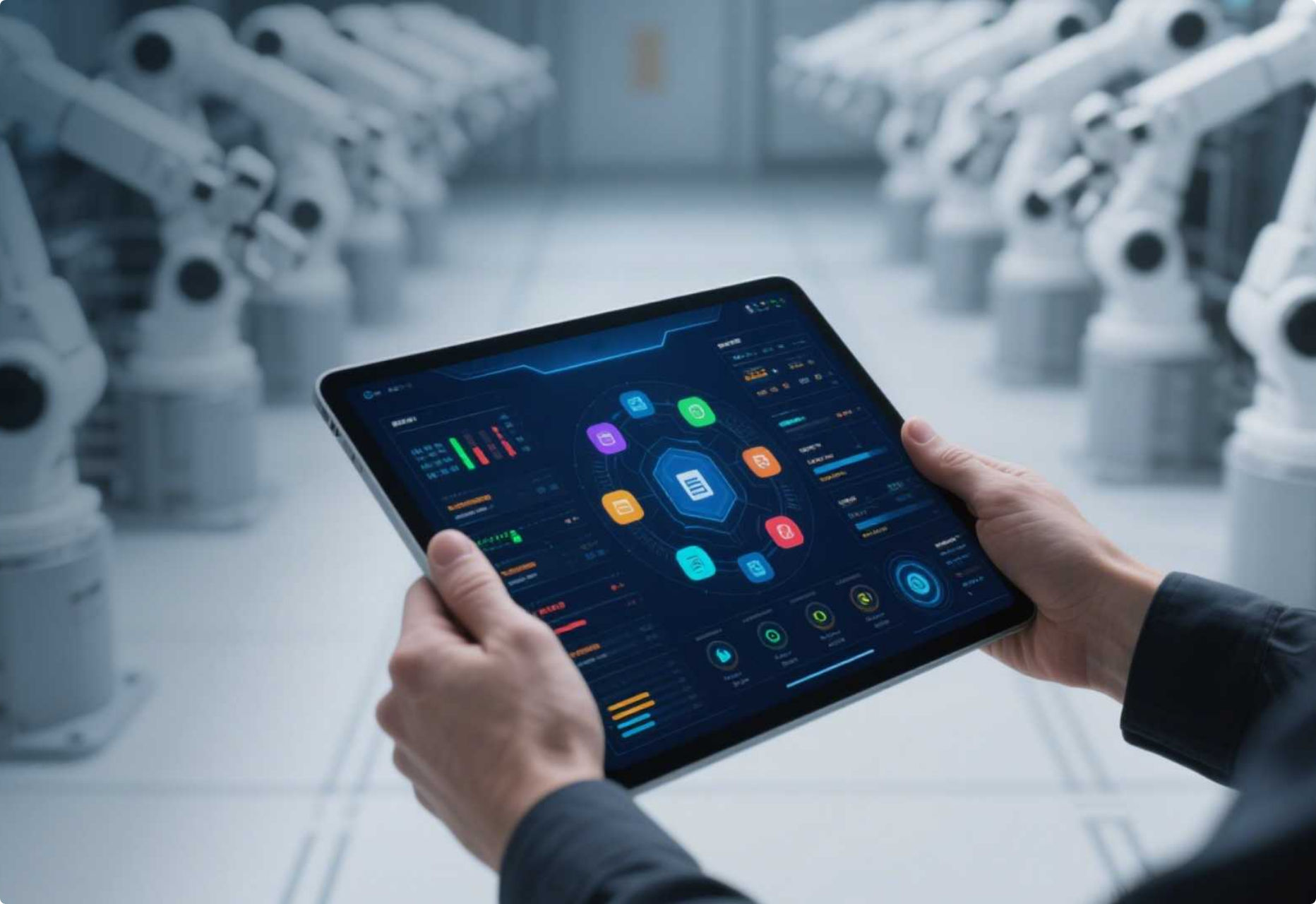
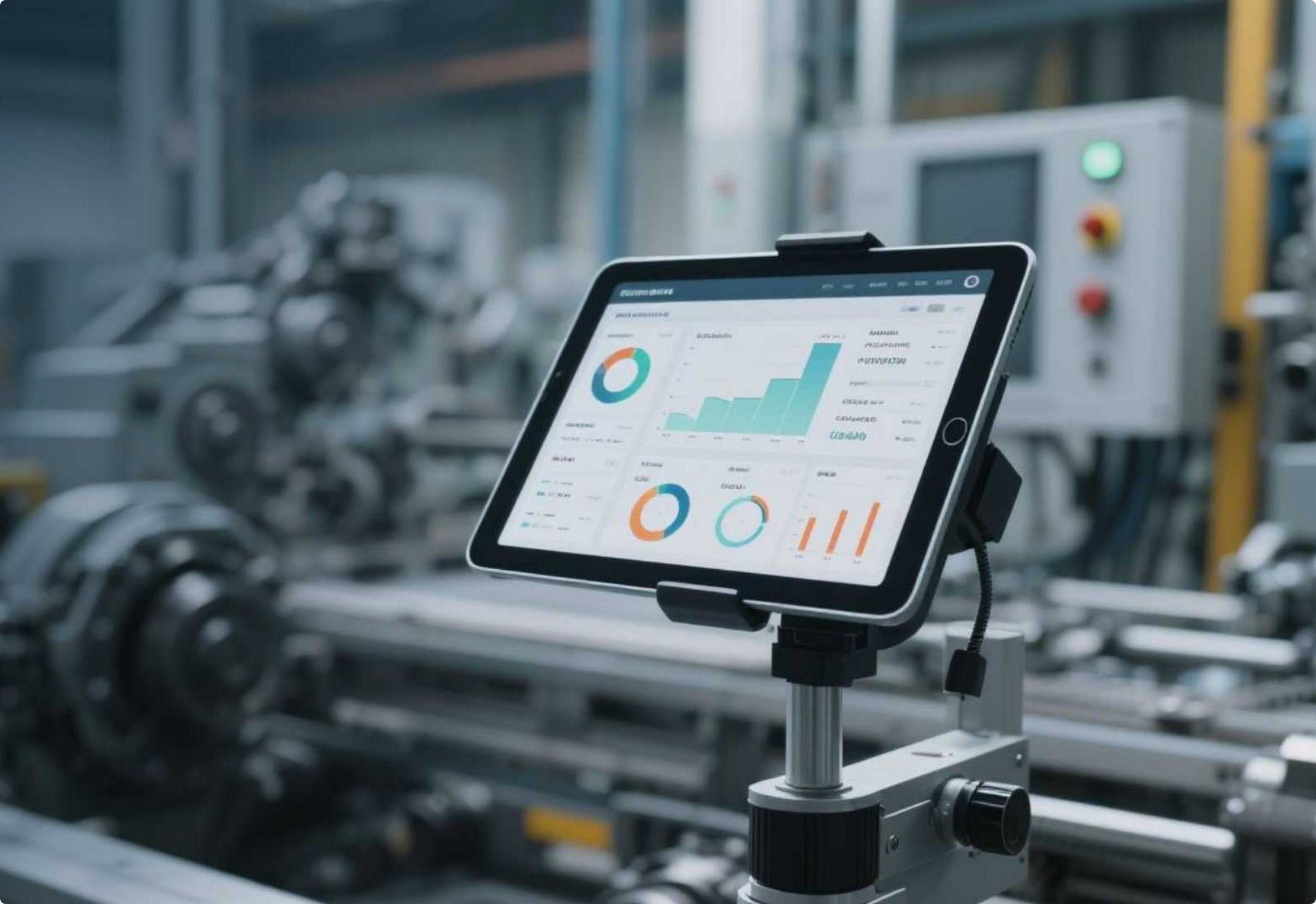
The APS production planning and scheduling in a factory generally falls into the following two scheduling modes: (1) Static scheduling: At a given moment, all orders are in an unprocessed state, and a unified schedule is generated through the scheduling system, producing an order scheduling plan. (2) Dynamic scheduling: During the workshop production process in a smart factory, new orders continuously arrive as existing orders are completed. To insert new orders into the existing scheduling plan, it is necessary to calculate the production resources occupied by current tasks and rationally formulate a scheduling plan for the new orders. Additionally, other dynamic events, such as machine failures, material shortages, and order delays, introduce uncertainty into the scheduling process. Therefore, dynamic scheduling better reflects actual enterprise production scenarios and is key to production planning and scheduling in a smart factory.

The APS planning and scheduling system developed by Alps System Integration (Dalian) Co., Ltd. can accurately capture on-site changes in real time and deliver precise planning instructions. It can be flexibly configured based on the workshop environment, enabling dynamic production planning and scheduling for a smart factory.