

 Products & Services






 400 676 5650
Time:2026-01-29
Contemporary manufacturing faces challenges such as compressed order lead times, volatile demand, and tightening resource constraints. Traditional decentralized planning often leads to production disconnects, inventory overstock, and delivery delays. Supply Chain Planning and Scheduling, powered by data, balances resource supply with market demand, breaks down departmental information silos, and optimizes supply chain flow efficiency from the source. It is a key lever for enterprises to achieve lean management and enhance core competitiveness.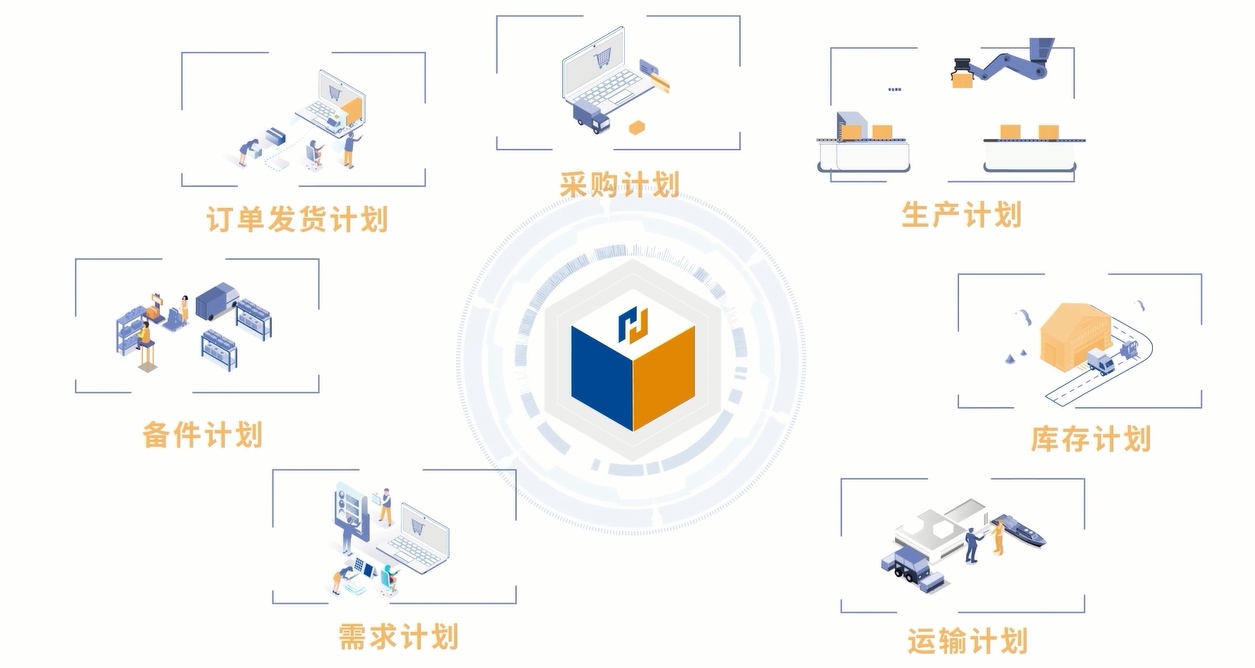
1. Balancing Demand and Capacity to Improve Delivery Reliability
Supply Chain Planning and Scheduling uses order demand, market forecasts, and capacity data to precisely formulate medium- to long-term production plans and short-term scheduling schemes, clarifying timelines and resource allocation for each stage. It can anticipate capacity gaps in advance, adjust production pace appropriately to prevent delivery delays caused by insufficient capacity or imbalanced planning, and adapt to dynamic needs such as urgent orders or order changes, effectively improving on-time delivery rates and reducing customer complaint risk.
2. Optimizing Resource Allocation to Lower Overall Operational Costs
This function integrates multidimensional resource information—such as equipment capacity, workforce skills, and material inventory—in real time, automatically identifies bottleneck processes, and balances production task distribution. By accurately calculating material requirements and linking with procurement and inventory management, it reduces material obsolescence and idle stock while minimizing work stoppages due to material shortages, shortening inventory turnover days. At the same time, it prevents equipment overloading or underutilization, enhancing resource efficiency.
3. Strengthening End-to-End Control and Enhancing Decision-Making Quality
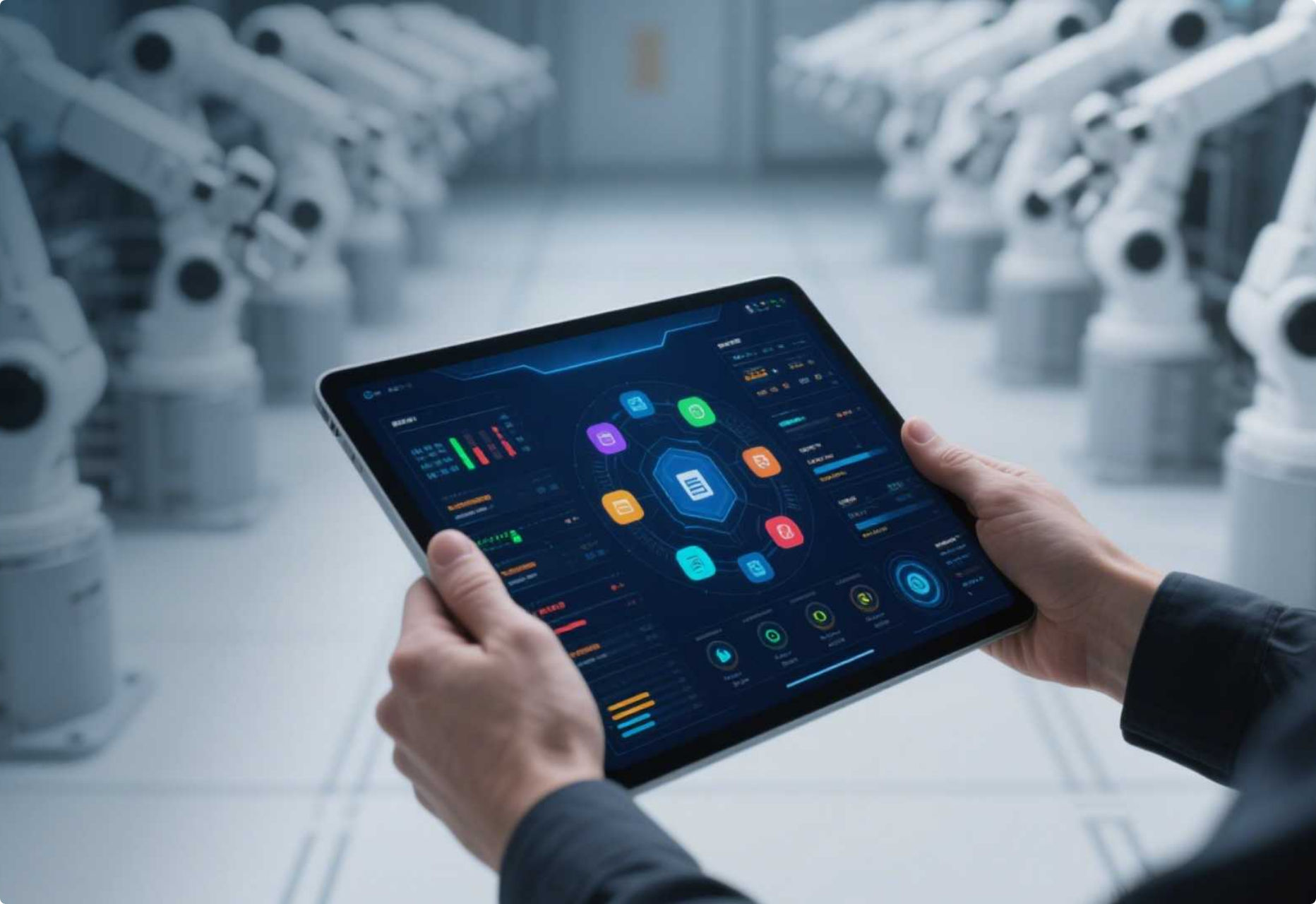
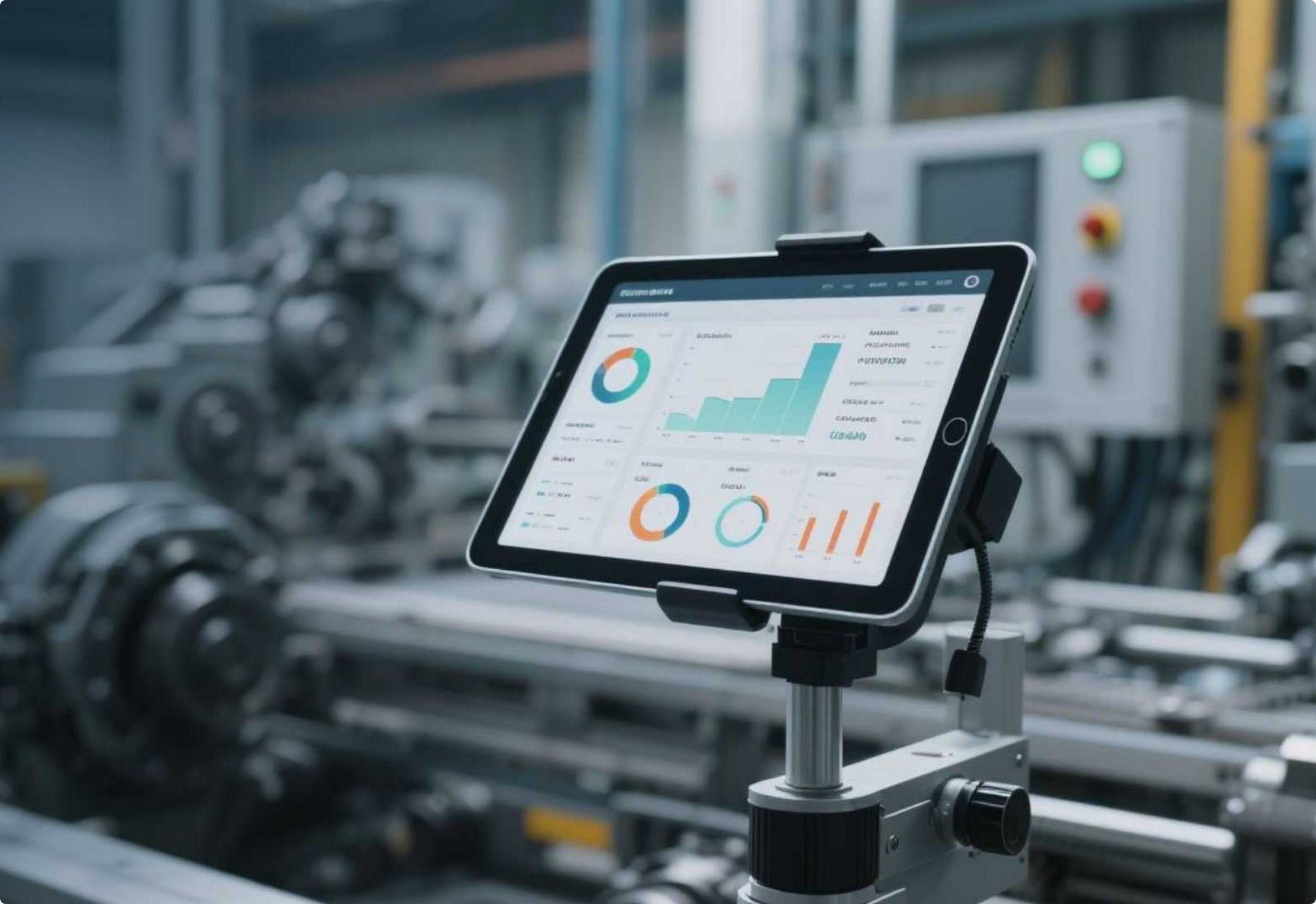
Supply Chain Planning and Scheduling enables full-process data visualization, tracking order progress, equipment status, and material arrivals in real time. Anomalies trigger instant alerts pushed to responsible personnel. It automatically generates core reports on capacity utilization, production cycles, and other metrics, providing precise data support for management to optimize capacity planning and adjust production strategies—replacing traditional experience-based decision-making and making supply chain management more controllable and forward-looking.
Huipai APS Supply Chain Resource Planning and Scheduling Platform precisely fulfills the core role of Supply Chain Planning and Scheduling, enabling integrated plan formulation, scheduling optimization, and dynamic control. It adapts to multi-industry production constraints, deeply integrates with upstream and downstream systems, and offers a lightweight, high-efficiency supply chain management solution for enterprises. Through end-to-end collaboration and precise control, Supply Chain Planning and Scheduling helps enterprises overcome operational pain points, achieve cost reduction and efficiency gains, and realize flexible production.