

 Products & Services





 400 676 5650
Time:2026-01-20
When uncertainty becomes the norm, how far can auto parts companies' plans rely on experience? In the past, when we talked about planning, we mostly focused on improving efficiency and controlling costs. But as the pace of the market accelerates and supply and demand remain unstable, the meaning of supply chain planning and scheduling is being redefined. More and more auto parts companies are gradually realizing that planning is not just about achieving predetermined results, but more importantly, it needs the ability to cope with change. And this ability to adapt is slowly evolving in five directions.
In our exchanges with many auto parts companies, we found that this change often starts with a basic question: a company's ability to perceive changes directly determines the speed of its planning response. The starting point of supply chain planning and scheduling is information. Therefore, many companies are striving to build external perception capabilities, capturing various signals from the market, policies, and supply through data, so that planning becomes forward-looking—only by seeing changes can we talk about timely response.
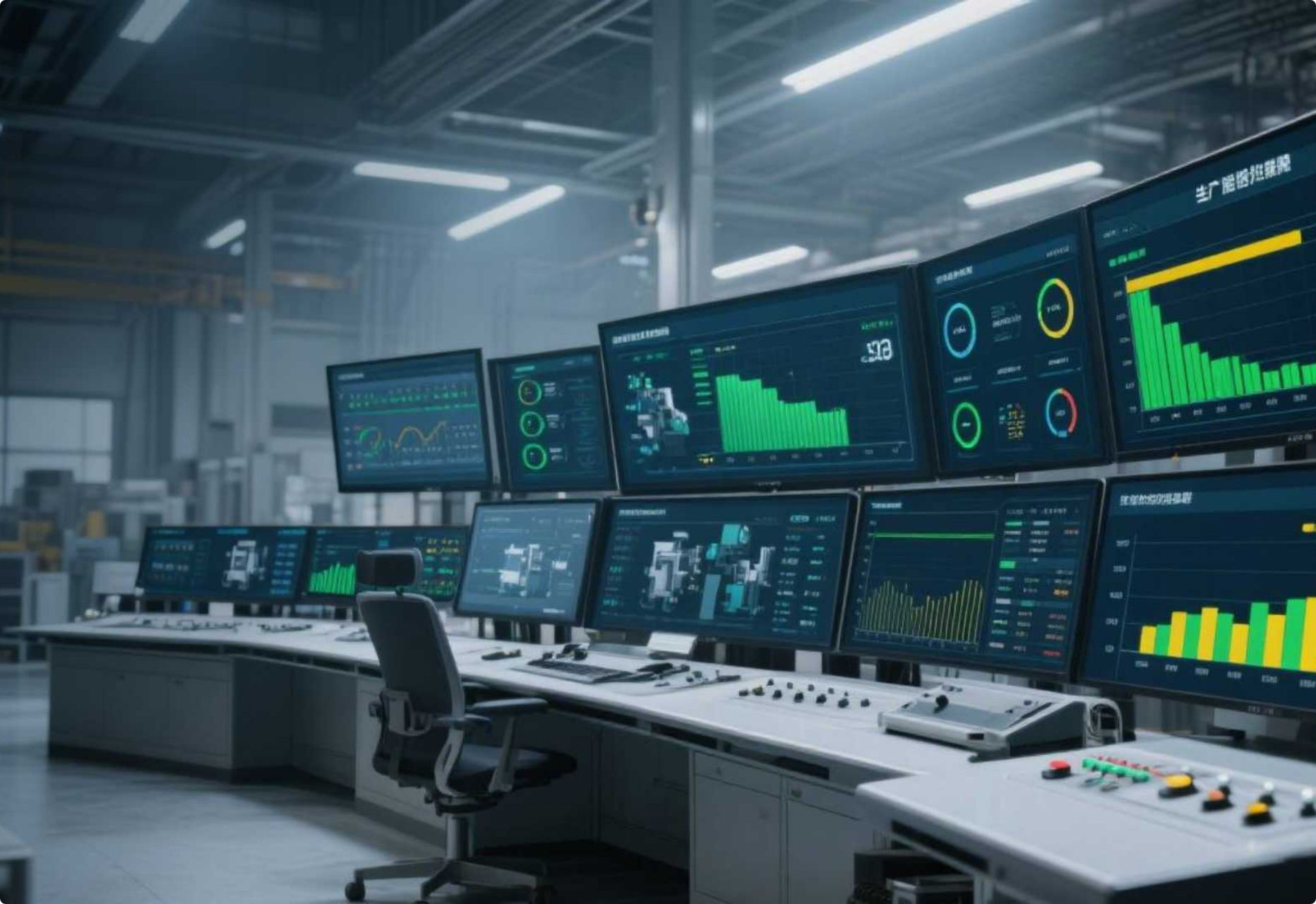
After companies can keenly perceive changes, the next step is to figure out how to respond faster. Many companies have experienced this: although the production plan is detailed and comprehensive, it always fails to keep up with sudden changes. The future planning system will be more like an intelligent navigation system. The destination is always clear, but the route can be adjusted at any time. The system automatically adjusts the production pace based on real-time data, making production both flexible and stable, calmly dealing with various changing factors.
But coping with change cannot only pursue speed. The auto parts industry has a long industrial chain, and if the rhythms of upstream and downstream are slightly off, it is easy to break. If companies can share planning rhythms with key suppliers and logistics partners, break down data barriers, and build a collaborative network for joint development, then the key to competition is no longer how fast a single company runs, but how stable the entire collaborative ecosystem operates. Collaboration makes information flow more efficiently and greatly enhances the supply chain's resilience.
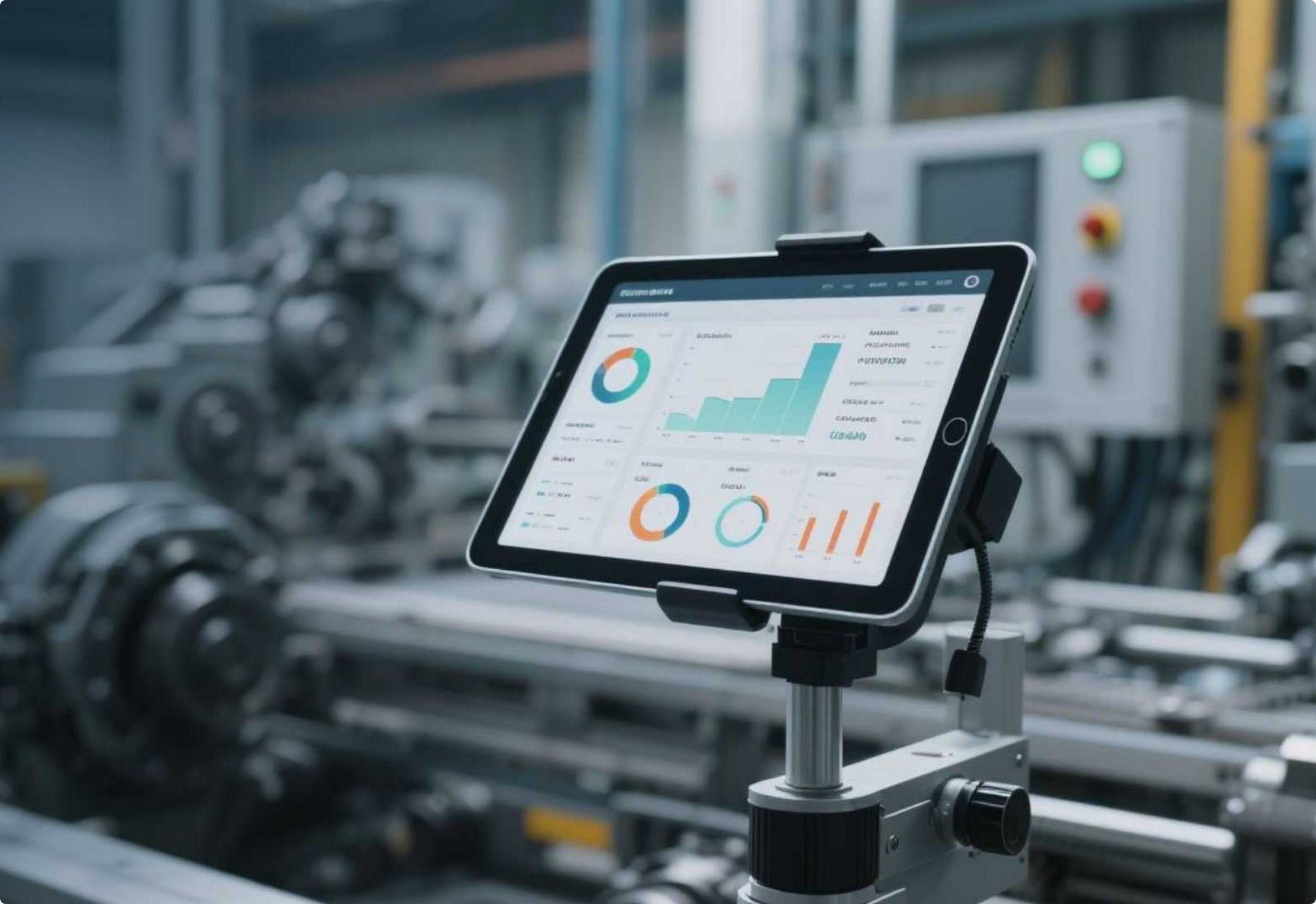
The accuracy of decision-making relies on scientific judgment basis. In the past, planning mostly relied on experience. Today's supply chain planning and scheduling systems can run simulations in advance—when orders suddenly increase, raw materials arrive late, or production capacity fluctuates, the system can automatically simulate different coping strategies and provide data support. Humans remain the core of decision-making, but with a more solid basis for judgment, actions become more certain.
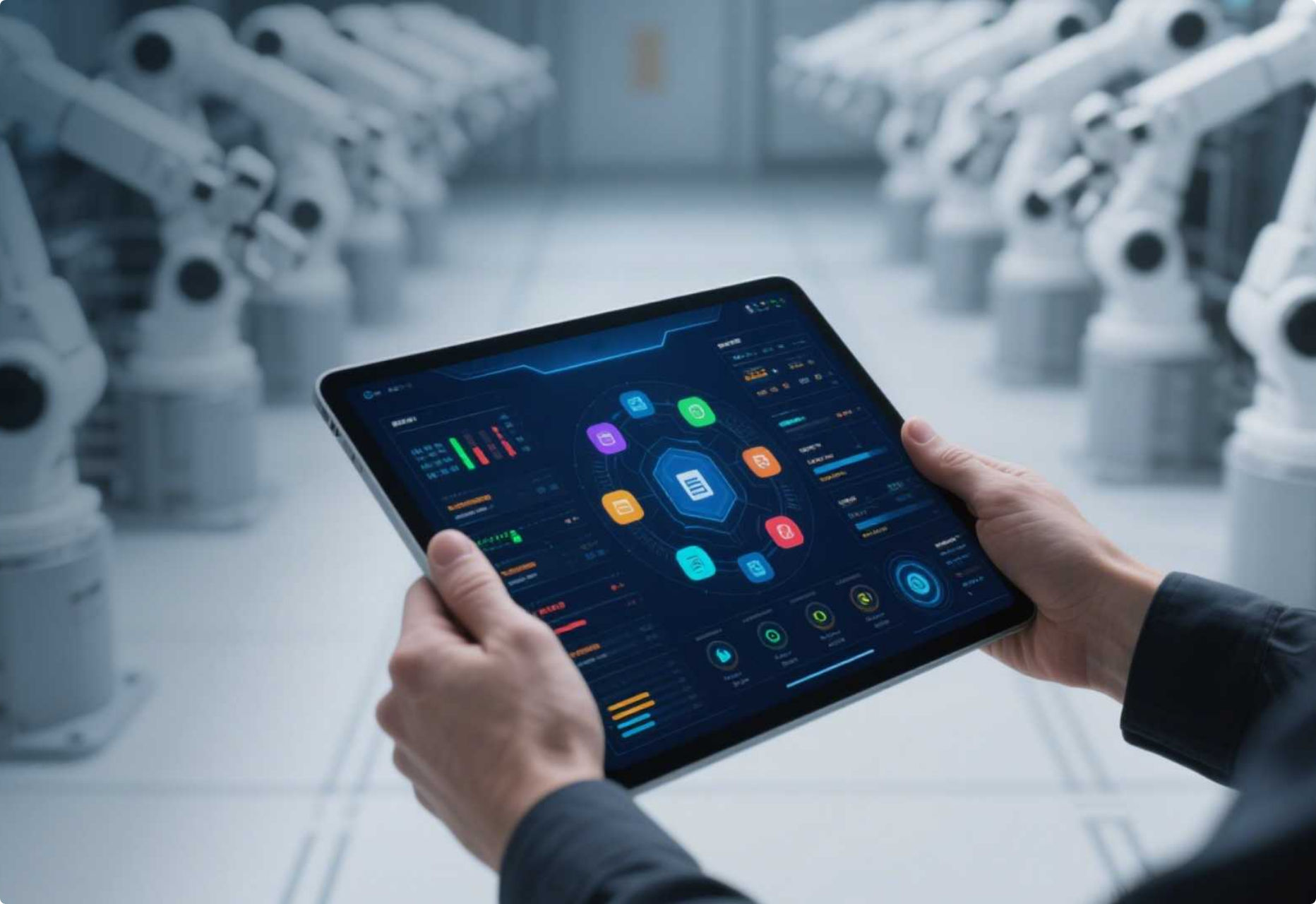
To make the supply chain planning and scheduling system truly effective, the key lies in the interconnection of information. Many auto parts companies have installed systems such as ERP, MES, and WMS, but still face the problem of disjointed planning. The most critical issue is the lack of a unified "digital hub" to integrate data, algorithms, and decision logic, allowing various systems to work together under the same logic. One network, one set of data, one rhythm—this has become the latest foundation for supply chain collaboration.
From perceiving change to dynamic adjustment, from network collaboration to intelligent simulation, and to building a digital hub, these five aspects form a new path for upgrading auto parts supply chain planning and scheduling systems. This is not only the development of system tools but also an upgrade in the way companies think, making the planning system a true core competitive capability of the supply chain.
Trends are changing, but the essence of supply chain planning and scheduling has always been balance and choice. The real challenge lies in finding the rhythm that suits you. In the past few years, Alps has accompanied numerous auto parts companies in reorganizing and upgrading their planning system logic. Although each company's pace differs, their goals are highly consistent: make planning smarter, and make decisions more certain. If you are also considering the next step in your planning system, feel free to contact us to discuss the most suitable evolutionary path for you.