

 Products & Services






 400 676 5650
Time:2026-01-19
Why must fastener companies with revenues exceeding 100 million yuan advance production-sales collaboration? For the fastener industry in its growth phase, production-sales collaboration is never a question of "whether to do it," but a mandatory question of "when to do it" and "proactively plan or reactively respond." When delivery capability becomes a company's core competitive edge, upgrading management methods often proves more critical than merely upgrading systems.Many fastener companies, after surpassing tens of millions or hundreds of millions in annual revenue, enter a delicate developmental stage: the customer base continues to upgrade, orders become "more fragmented and urgent," multi-variety, small-batch orders become the norm, on-time delivery becomes a key performance indicator, and any delay can jeopardize partnership eligibility. Yet, internal management remains stuck in a traditional, experience-driven model: sales teams promise delivery dates based on historical experience rather than real-time capacity data; production scheduling relies on manual experience and Excel sheets, lacking scientific coordination; procurement lags in response, with no forward-looking planning for material needs. The result is a chaotic cycle of "everyone appears busy, yet the more they do, the more out of control it becomes"—sales make blind promises, production engages in reactive firefighting, and the boss cleans up the mess.
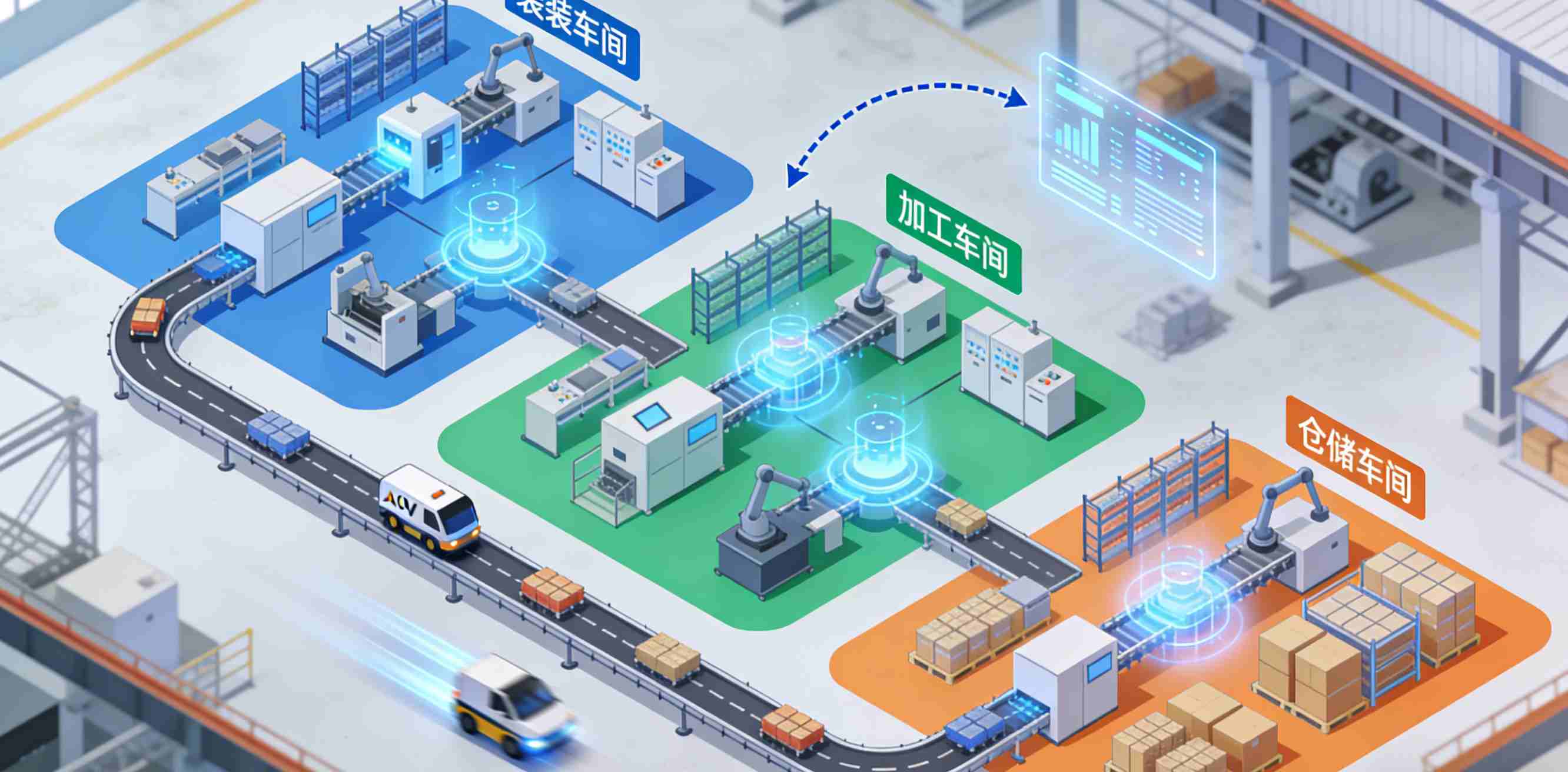
Many fastener company owners attribute these issues to "too many orders, demanding customers, and intense industry competition." However, upon deeper analysis, the core problem lies in the sales, production, and procurement departments operating in silos, living in different information dimensions: sales lacks visibility into real-time production line capacity, unsure which orders are undergoing cold heading, hot forging, or outsourced processing; production doesn't know if urgent orders will be inserted or which orders are non-negotiable core demands; procurement cannot predict actual material usage for the next 1-2 months, struggling to balance the trade-off between "overstocking and shortages." This information barrier triggers a vicious cycle: sales promises based on experience, production adjusts reactively, procurement rushes to replenish materials, and delivery stability deteriorates.
This is precisely why production-sales collaboration becomes an inevitable path for fastener companies as they scale. When a company grows, remaining trapped in this vicious cycle will not only drive up operational costs but also make business risks increasingly uncontrollable. True production-sales collaboration is not simply about implementing a new system; it requires three core transformations:
First, delivery date promises move from "gut feeling" to data-driven. Under a collaborative mechanism, when sales accepts an order, the Alps SCP Supply Collaboration Planning System provides scientific delivery date recommendations based on finite capacity, real-time equipment load, tooling availability, key material kitting status, and order priority. Sales no longer sees "whether they can accept the order," but "what is the reasonable delivery date." This change alone can boost delivery rates from 50%-60% to 70%-80%, giving sales teams more confidence when dealing with customers.
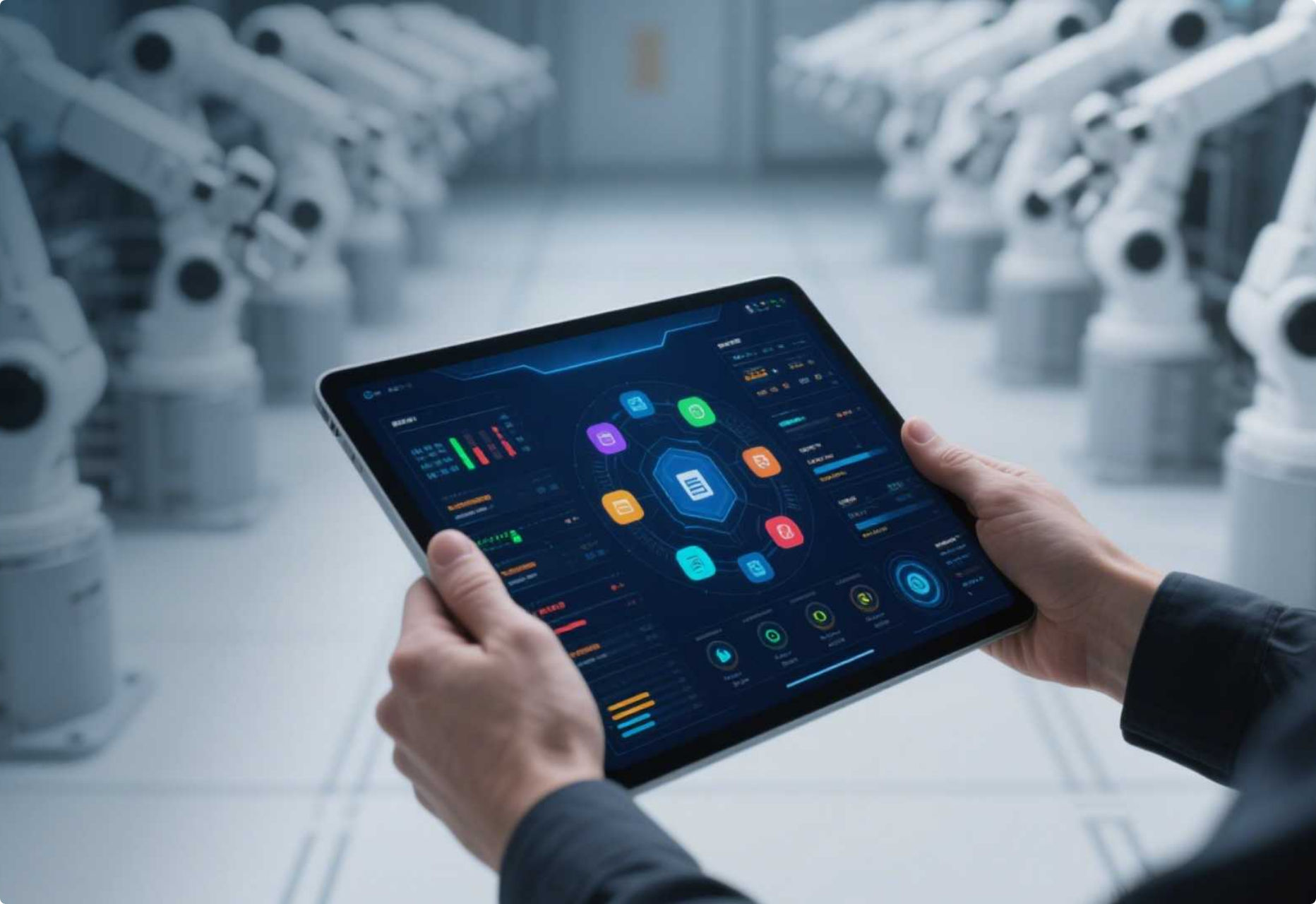
Second, production processes achieve full transparency. In a collaborative state, the current process step of an order, any anomalies, and potential delay risks are displayed in real time via the DPS Advanced Production Scheduling System—without requiring expediters to constantly follow up. For company owners, the greatest value lies in being able to identify risks early and intervene proactively, rather than passively accepting results after they occur.
Third, plans evolve from "paper documents" to "shared consensus." When sales, production, and procurement all work from the same synchronized plan, the plan is no longer a "solo performance" by the production department but a rhythm observed by the entire company, aligning the actions of all departments.
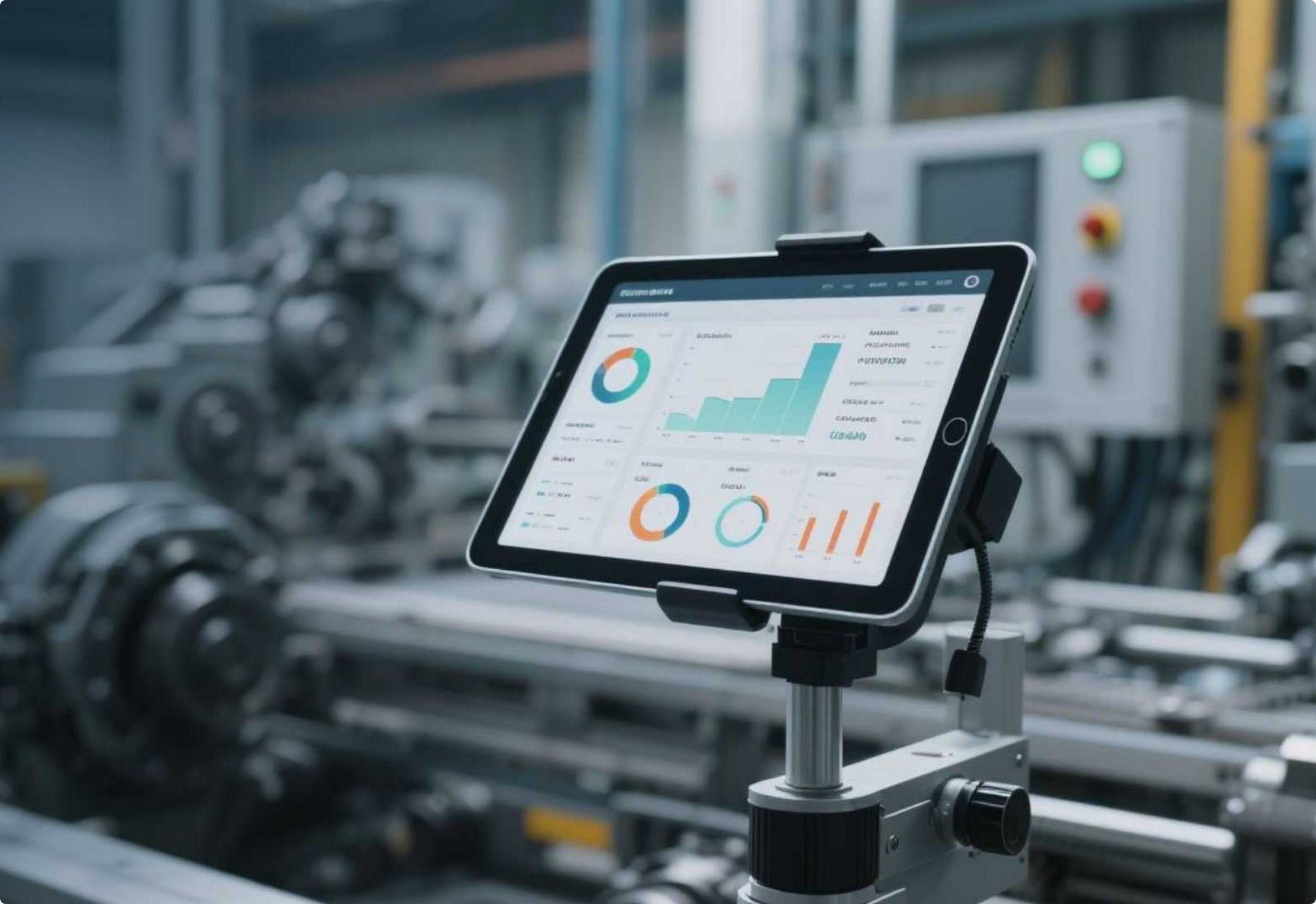
Production-sales collaboration essentially addresses a core long-term development challenge: as a company continues to grow, can it transition from "rule by people" to "rule by systems"? In the many fastener company projects we have participated in, those that pulled ahead of peers and advanced more steadily and further all accomplished the same thing at critical junctures—transforming scattered personal experience into standardized mechanisms, converting subjective judgment into systematic capability, and empowering end-to-end operations. For example, when sales accepts an order, they receive reliable delivery date recommendations based on real capacity and material status; when planners adjust a schedule, they can clearly see the cascading impact on subsequent orders, equipment load, and outsourced process nodes; and owners can monitor key metrics like delivery rates and order completion in real time through a single dashboard.
In practical implementation, platforms like Huipai APS—a manufacturing planning and collaboration solution—help companies integrate sales orders, production plans, material requirements, and key resources into a unified logical framework. It does not merely complete scheduling tasks but transforms scattered judgments held by different departments and roles into a set of repeatable, verifiable standardization rules.
If your company is at such a stage—where scale is already significant but delivery still relies heavily on the personal experience of veteran planners, expediters, and salespeople; order structures are increasingly complex yet lacking overall visibility into capacity and risk; and you want to stabilize delivery but find it increasingly difficult simply by adding more people, overtime, or equipment—perhaps now is the best time to examine yourself. When order complexity keeps rising, does your company possess the underlying architecture to turn experience into system capabilities? This is the critical step in determining whether delivery capability can evolve from "rule by people" to "rule by data."